我做错什么了
“What did I do wrong?”
THE DIALOGUE REEL
我所做的 不过是替被他们迫害过的人报仇
“All I did was to avenge those who were harmed by them.”
我 做错什么了
“What did I do wrong?”
“Have you forgotten? Have you forgotten how they treated you?”
“I did nothing wrong; they got what they deserved.”
Invoking retribution (报仇) on behalf of victims often creates a moral dilemma in Chinese narratives, where personal vengeance clashes with legal or societal codes.
LEARNING CHUNKS & PARTICLES
done what wrong / what did I do wrong
A common rhetorical challenge used when someone rejects accusations or criticism.
Marks completion of the alleged act, framing the supposed wrongdoing as an already realized event.
VOCABULARY & EXPRESSIONS
Parallel Spoken Cinema Scenes (语义近邻切片)
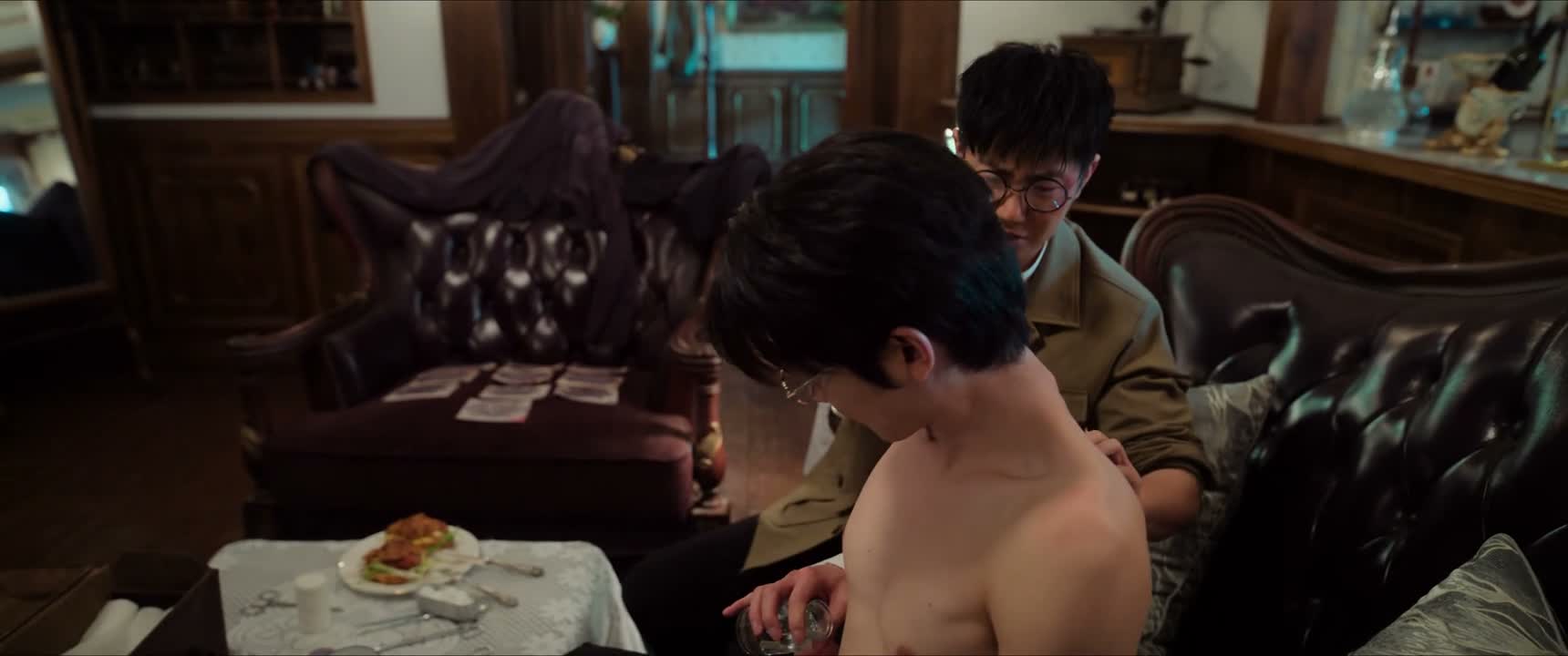
“What did I do wrong?”
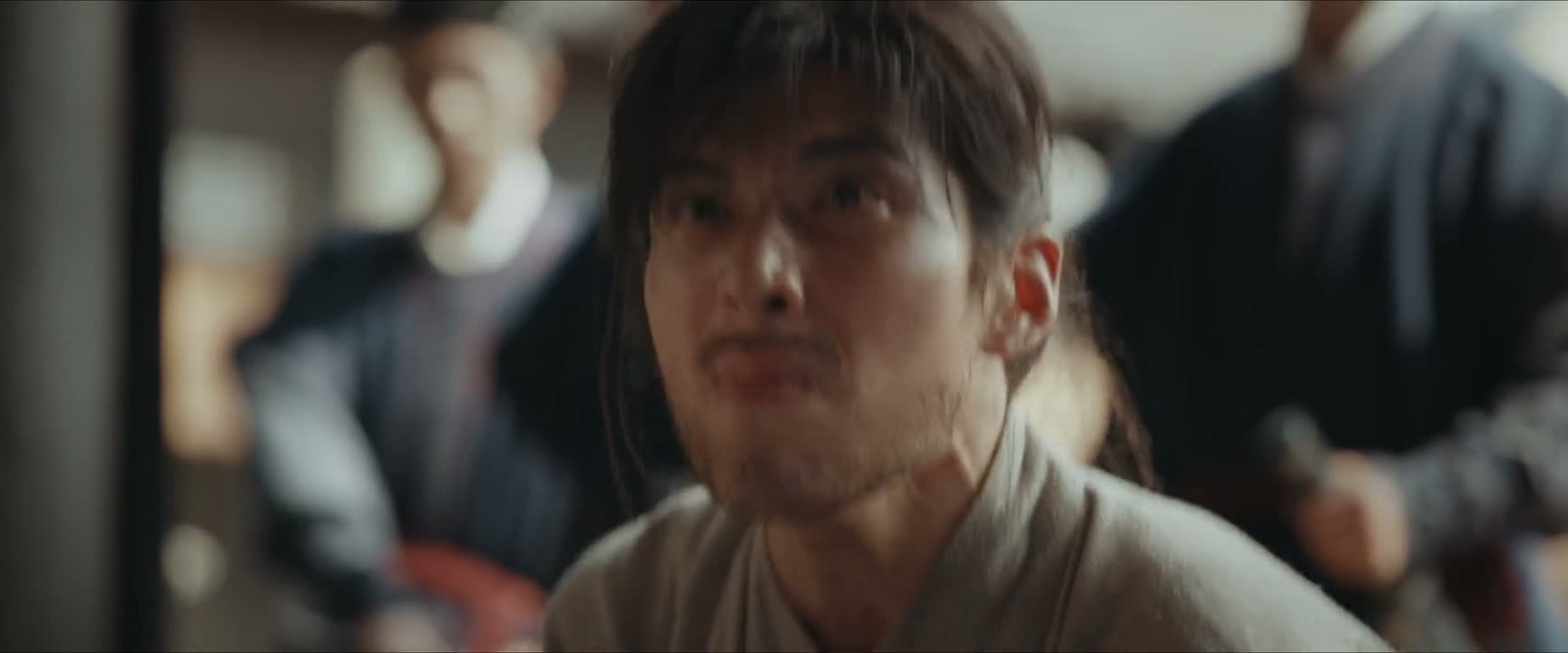
“What did I do wrong?”
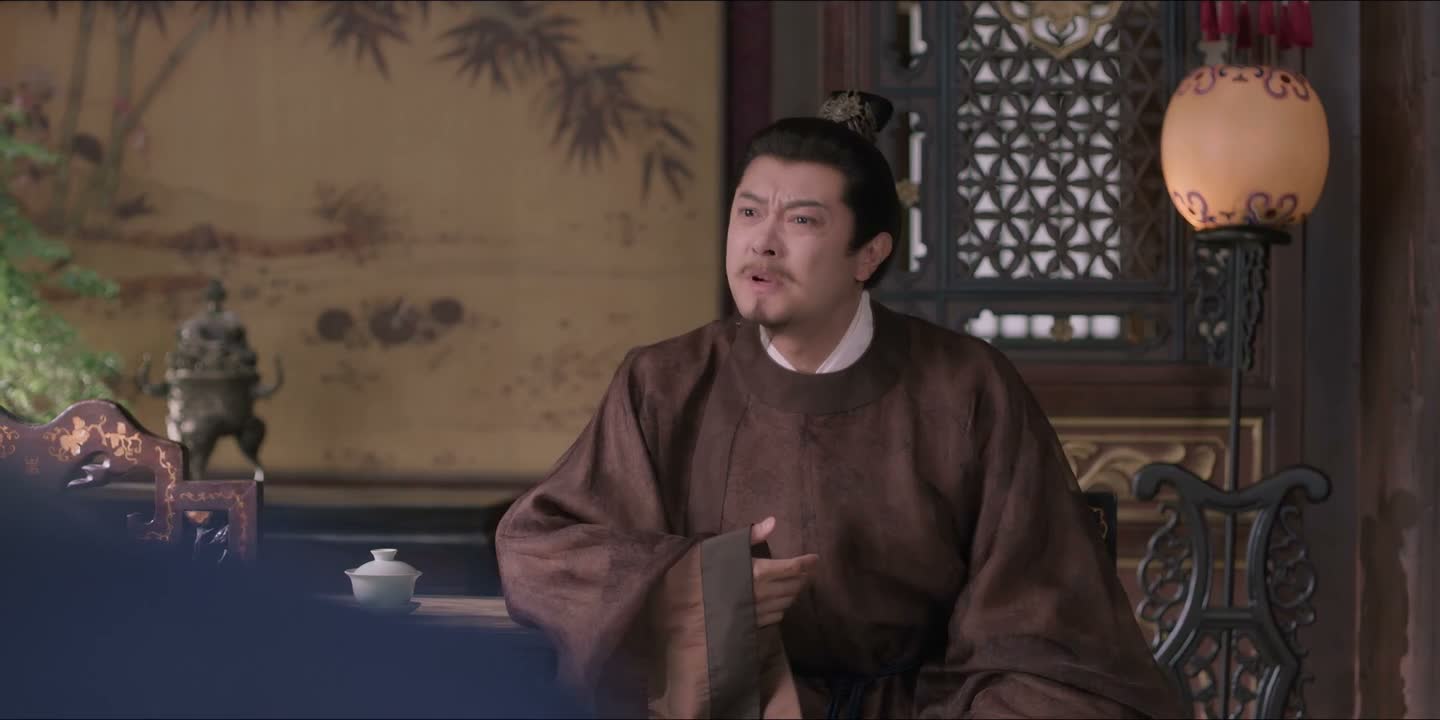
“What do you mean I caused it?”

“What mistake? That's old-fashioned of you.”