不想吃饭了 想吃就去洗
“Not hungry anymore? Wash them if you want to eat.”
THE DIALOGUE REEL
“Making me do the dishes is one thing. And now, you're making me wash vegetables too?”
不想吃饭 了 想吃就去洗
“Not hungry anymore? Wash them if you want to eat.”
我跟你说啊
“Listen here.”
“Stop whining and pull your weight, or you get no dinner.”
Modern Chinese cohabiting couples often use blunt, playful bickering to balance the burden of domestic duties like cooking and cleaning.
LEARNING CHUNKS & PARTICLES
don't want to eat anymore / giving up on dinner
Commonly used in spoken Chinese as a rhetorical challenge to shut down whining about household chores.
if you want to eat, then go...
A conditional imperative pattern linking a desire with an obligatory task.
Marks a change of state or rhetorical consequence implying cancellation of the meal.
VOCABULARY & EXPRESSIONS
Parallel Spoken Cinema Scenes (语义近邻切片)

“You don't want dinner anymore? Of course I do.”

“How can you not eat?”

“(Whatever. An empty stomach doesn't care about right or wrong.)”

“No. Seeing you kinda kills my appetite.”
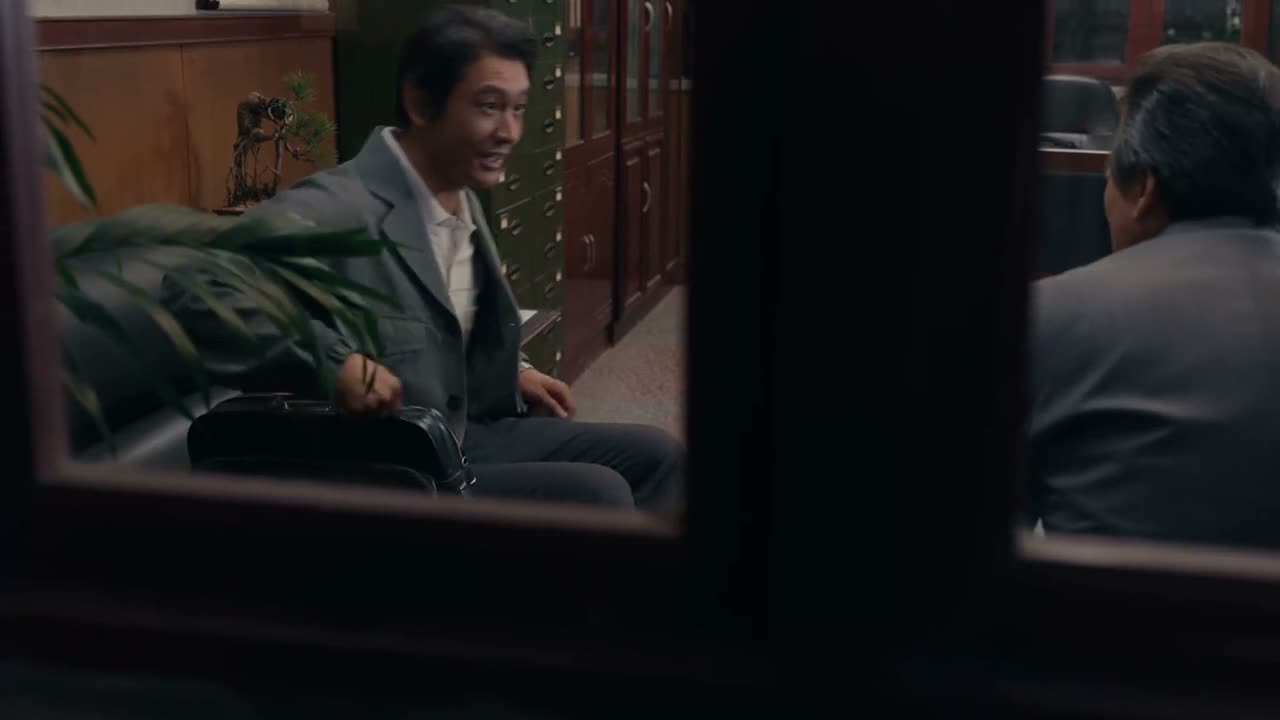
“I haven't eaten a thing.”

“would be able to eat it or get used to it.”