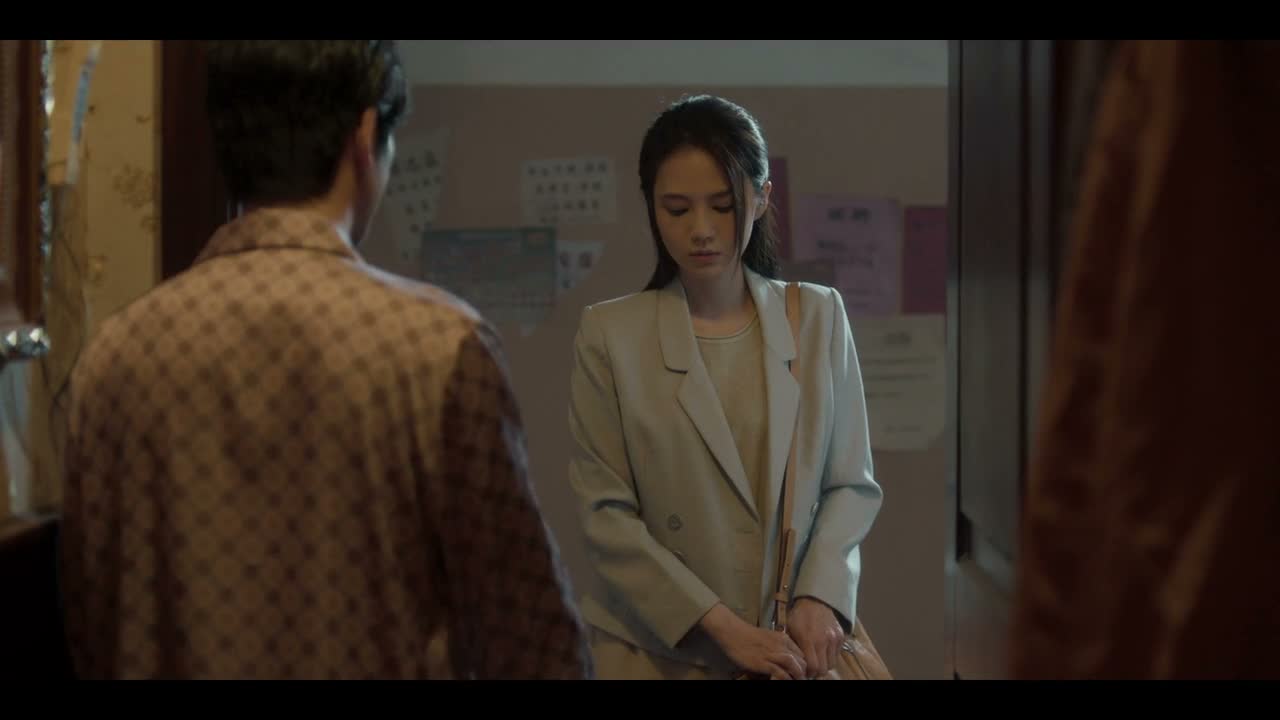
我的老天 哪有人在走廊更衣的?
“Good grief! Who changes clothes in the hallway?”
THE DIALOGUE REEL
这分明是故意刁难嘛 她说我偷看她更衣
“She was obviously making things difficult on purpose. She said I peeked while she was changing.”
我的老天 哪有 人在走廊更衣 的 ?
“Good grief! Who changes clothes in the hallway?”
你怎么回事?偷看小姑娘换衣服 好下流啊
“What's wrong with you, peeking at a young girl changing clothes? How shameless.”
“I did not do this on purpose; she is framing me because nobody changes in the hallway.”
In Chinese disputes, appealing to common sense through rhetorical questions like 'who would ever do that' is a common strategy to deflect blame and establish innocence.
LEARNING CHUNKS & PARTICLES
good heavens; oh my goodness
Use this as an exclamation to express extreme shock, frustration, or disbelief in spoken Chinese.
who on earth would; nobody would
A rhetorical phrase used to emphasize that a certain behavior is absurd, unheard of, or socially inappropriate.
Emphasizes the certainty and ongoing nature of the absurd action in a rhetorical question.