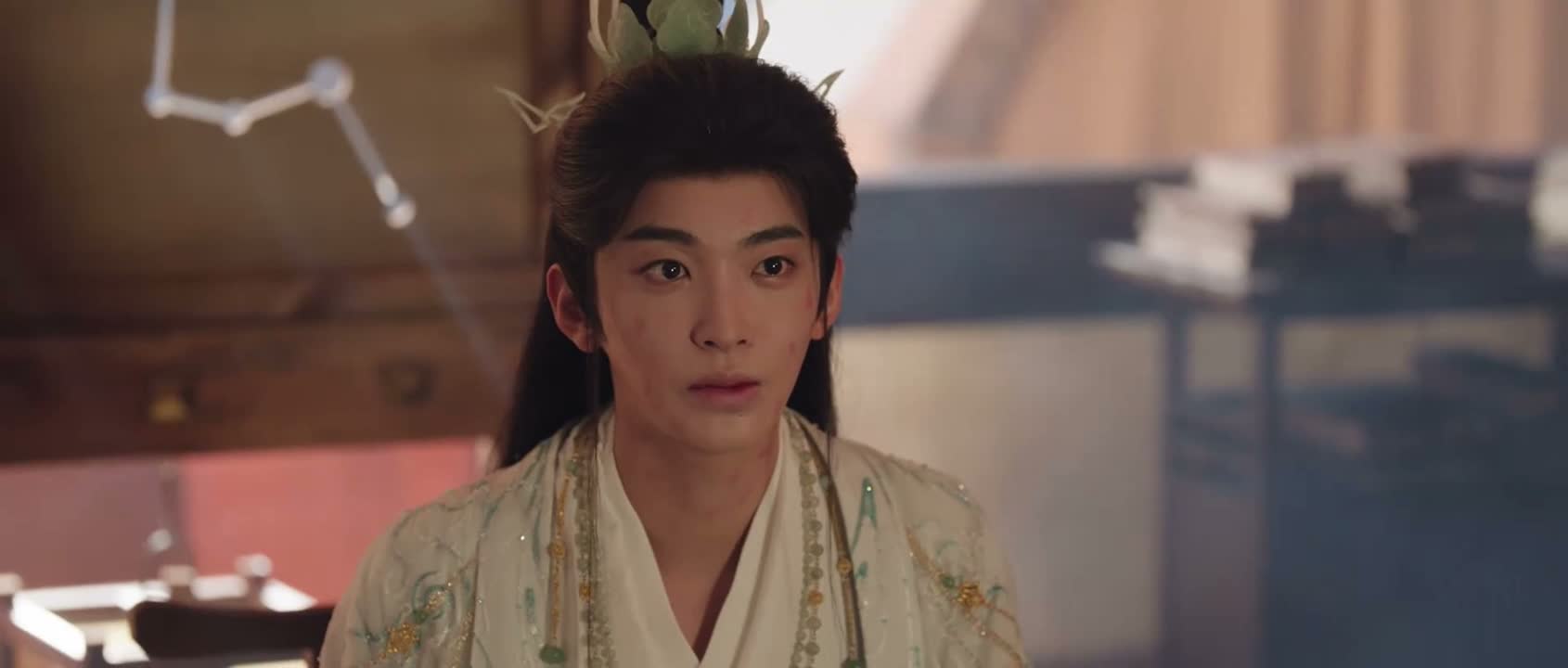
《Veil of Shadows》 S1·E9 (22:41)
HSK 1
zài yě jiàn bú dào tā le ?
再也见不到他了?
“going to see him again?”
《Veil of Shadows》
S1·E9
TIMECODE: 22:41
·
1080P MASTER AUDIO
THE DIALOGUE REEL
[-1] PREVIOUS TURN
wǒ shì bú shì
我是不是
“Am I never”
zài yě jiàn bú dào tā le ?
CURRENT FOCUS
再也见不到 他了?
“going to see him again?”
[+1] FOLLOW-UP TURN
shì rén bài nǐ 、 xìn nǐ
世人拜你、信你
“People worship you and place their faith in you,”
Subtitles synced to millisecond timecode
Browse Show Clips →
Scene:
Crisis & Conflict
Function:
SEEKING CLARIFICATION
Tone:
PLEADING
Emotion:
GRIEF
WHAT THEY REALLY MEAN (PRAGMATIC SUBTEXT)
“Please tell me this is not true; I cannot bear losing him forever.”
💡 Cultural Insight: Sorrow of Eternal Parting (诀别)
In Chinese narrative tradition, the realization of permanent parting carries immense emotional weight, highlighting fate's cruelty against mortal desires.
INTENT TAGS:
#seeking_confirmation
#expressing_despair
#grief
#plea
🧩
2 CHUNKS · 1 PARTICLES
LEARNING CHUNKS & PARTICLES
再也
SPOKEN CHUNK
never again
Used before negative verbs like 不 or 没 to express finality and irreversible absence.
见不到
SPOKEN CHUNK
cannot see / cannot meet
A potential complement expressing inability to achieve visual contact or reunion.
Modal Particle「了」 (le)
CHANGE OF STATE
Indicates a permanent change of state into separation.
🏮
1 EXPR · 0 GRAMMAR
VOCABULARY & EXPRESSIONS
COLLOQUIAL EXPRESSIONS:
CROSS-CINEMA CORPUS BOARD · PARALLEL SCENES
EXPLORE BY SEMANTIC SIMILARITY
Parallel Spoken Cinema Scenes (语义近邻切片)
《Veil of Shadows》 S1·E9 (22:41) · Authentic Cinema Dialogue Corpus