赖了赖了
“-No. -No.”
THE DIALOGUE REEL
“It wasn't me. It was Fu.”
赖了赖了
“-No. -No.”
就是怕老师一个人难过
“We were just afraid you'd be sad alone.”
“Don't pin this on someone else, you're totally lying.”
When dealing with authority figures like teachers, Chinese students frequently engage in playful scapegoating ('it wasn't me!'), immediately met with accusations of 'lai' (welshing or denying).
LEARNING CHUNKS & PARTICLES
to shirk responsibility; to welsh; to go back on one's word
A common colloquial verb used when someone denies saying or doing something to avoid consequences.
Emphasizes the completion and realization of the act of backing out.
VOCABULARY & EXPRESSIONS
Parallel Spoken Cinema Scenes (语义近邻切片)

“Yes! It's all your fault!”

“My fault! Too much promotion.”

“on Ergou next door!”

“back out on the deal? Who's backing out?”

“Sorry, it's my fault.”
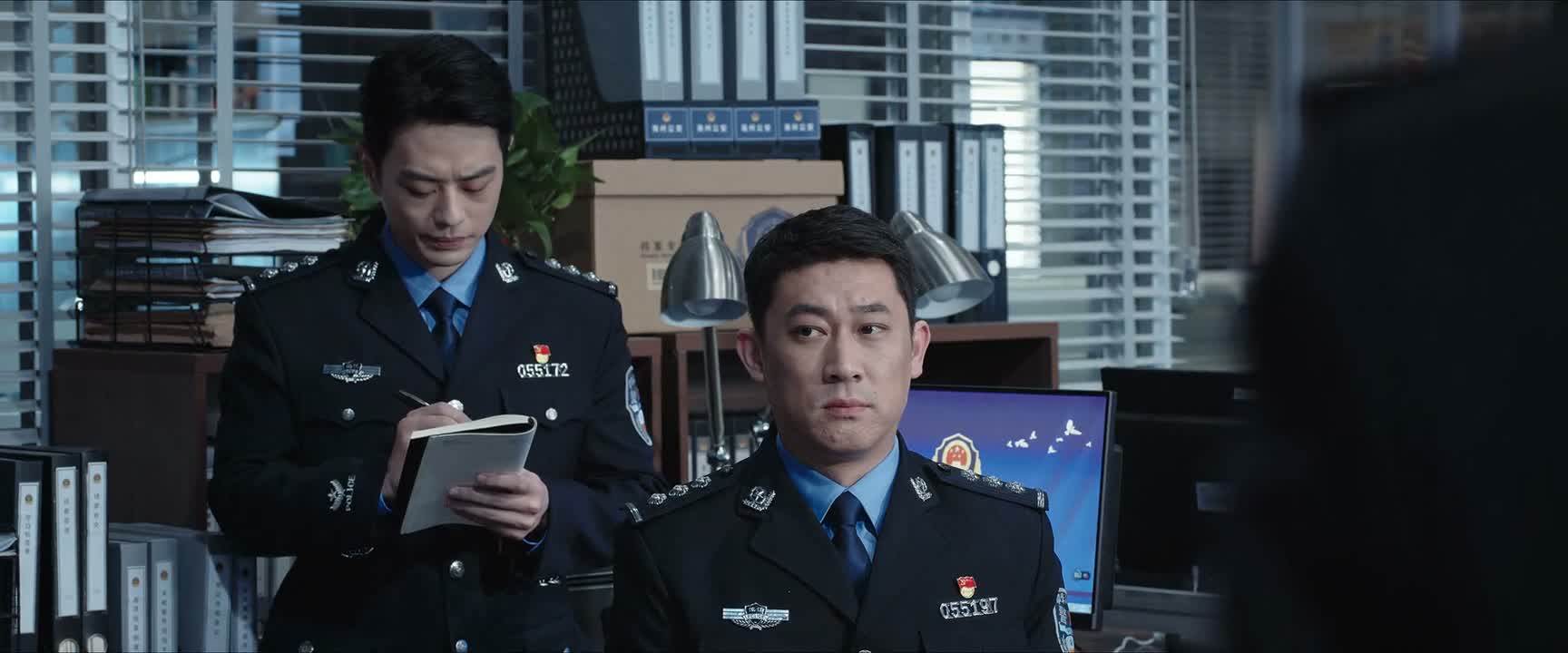
“that she could settle things with Lai San and return to her hometown smoothly.”