我有变吗
“Have I changed?”
THE DIALOGUE REEL
我有变吗
“Have I changed?”
“I think I'm still the same person I used to be.”
“I haven't changed at all, why are you accusing me?”
In Chinese relational conflicts, accusing a partner of 'changing' (变了) carries heavy moral and emotional weight, often prompting immediate self-defense to preserve the foundational premise of mutual loyalty.
LEARNING CHUNKS & PARTICLES
have changed / there is a change
Common spoken shorthand using '有' before a verb to confirm or inquire whether an action or transformation occurred.
Marks a standard yes-no question, tinged here with doubt and defensiveness.
VOCABULARY & EXPRESSIONS
Parallel Spoken Cinema Scenes (语义近邻切片)

“Feels like everything's changed.”

“Things have changed, you know. Look at me.”

“So you have to change this year.”

“Suddenly finding out that I was a wild card,”
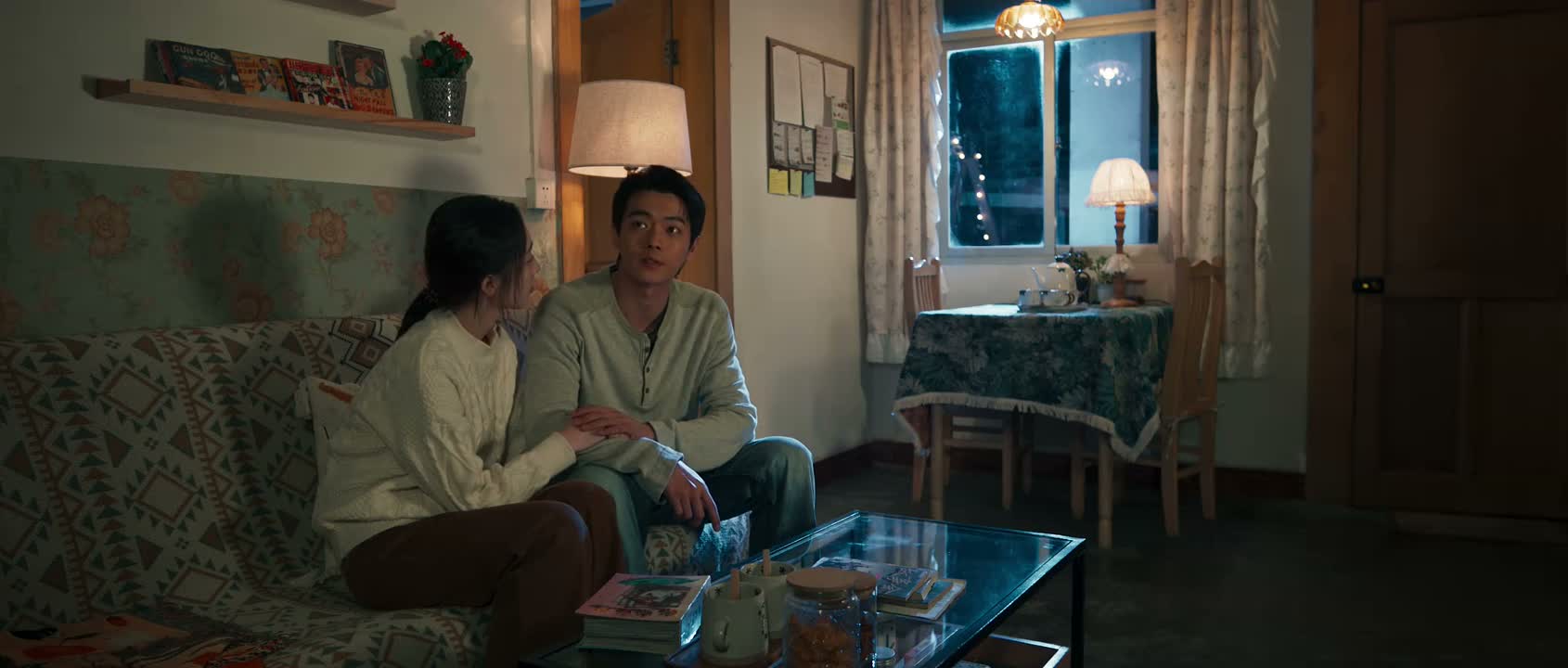
“Aren't things slowly getting better?”
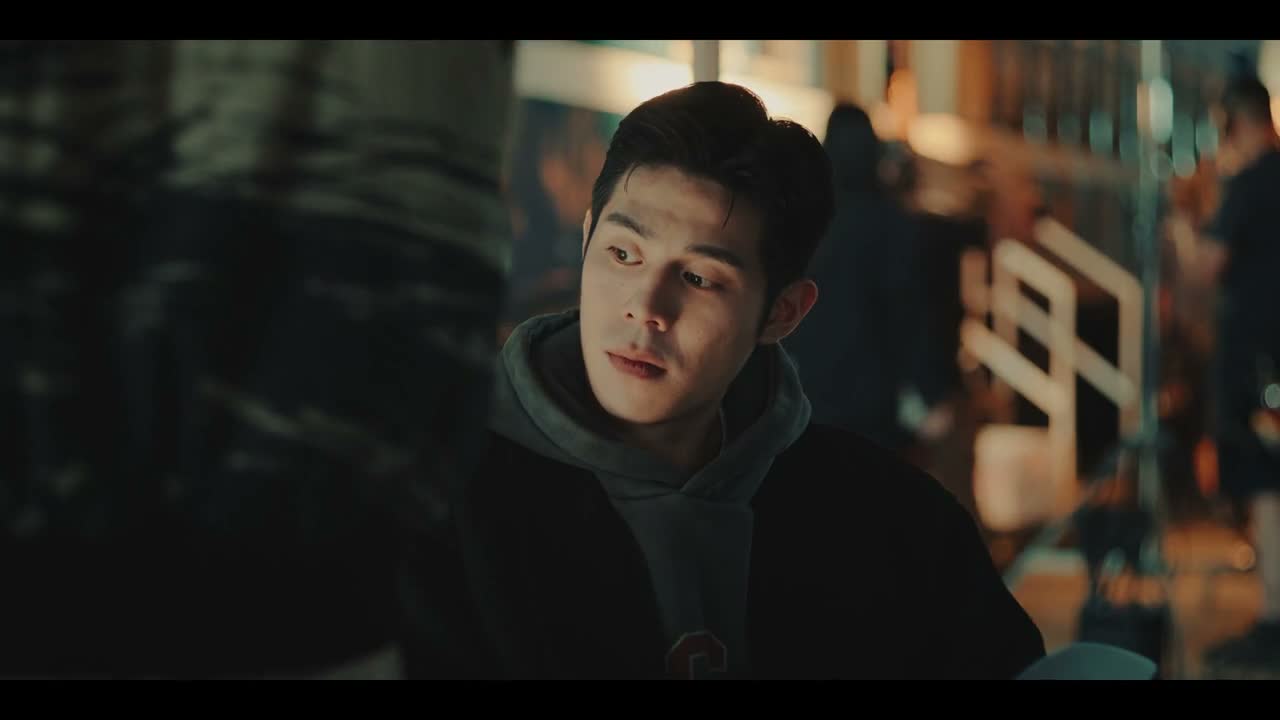
“Always switching things up.”