MC
MandarinClips Cinema Corpus
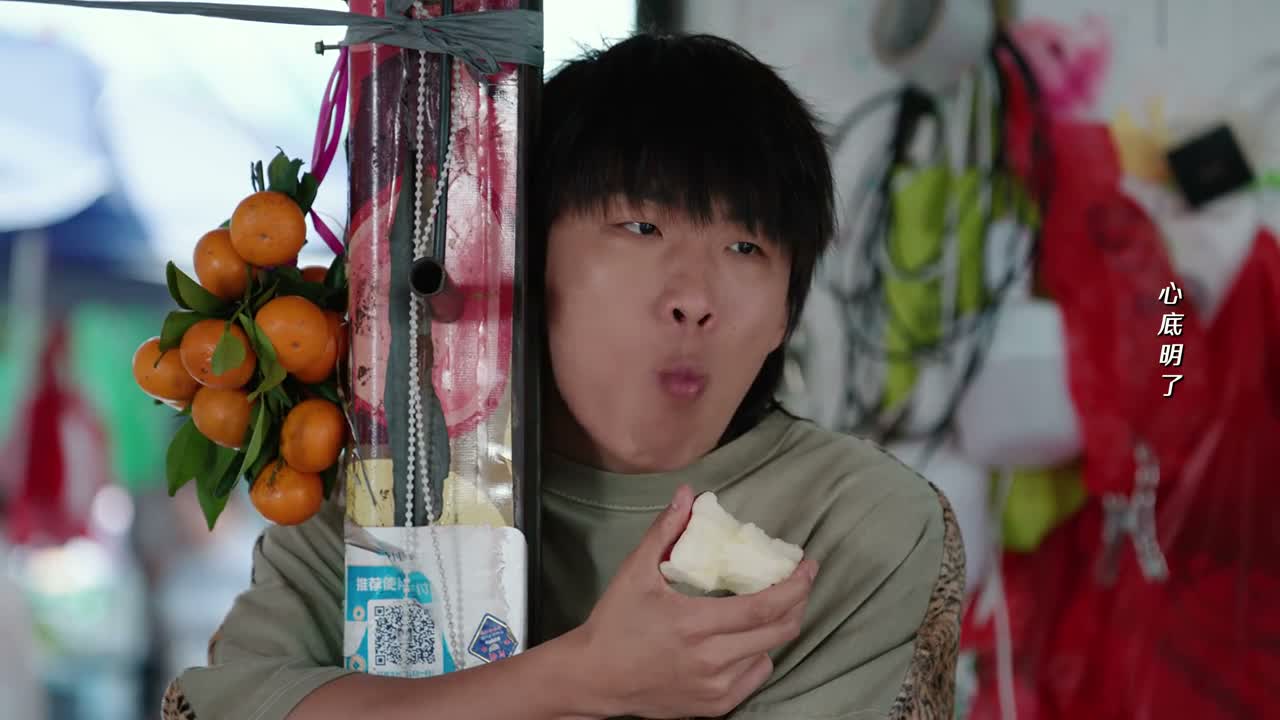
《How Dare You!?》 S1·E17 (28:35) HSK 7
zhè zhēn shì yǎng dà le zhí ér kǔ le shū a

这真是养大了侄儿苦了叔啊

“Truly, raising a nephew turned out to be the uncle's hardship.”

《How Dare You!?》 S1·E17
TIMECODE: 28:35 · 1080P MASTER AUDIO

THE DIALOGUE REEL

1+1+1 SPOKEN CONTINUITY
[-1] PREVIOUS TURN ràng gěi tú ěr de yán lùn yě rì shàng chén xiāo

让给图尔的言论 也日上尘嚣

“and give the throne to Tu'er grew louder by the day.”

zhè zhēn shì yǎng dà le zhí ér kǔ le shū a CURRENT FOCUS

这 真是 养大了侄儿苦了叔 啊

“Truly, raising a nephew turned out to be the uncle's hardship.”

[+1] FOLLOW-UP TURN shān yī měi rén běn shì tú ěr de xiāng hǎo

“Beautiful Lady Shanyi was originally Tu'er's lover,”

Subtitles synced to millisecond timecode Browse Show Clips →
Scene: Family & Home
Function: COMPLAINING
Tone: AGGRIEVED
Emotion: FRUSTRATION
WHAT THEY REALLY MEAN (PRAGMATIC SUBTEXT)
“I sacrificed everything to raise him, and look how he leaves me in the dust!”
💡 Cultural Insight: Familial Obligation vs. Ingratitude

Traditional Chinese kinship places great emphasis on filial piety and honoring elders who raised you; failing to reciprocate elder sacrifices is viewed as deeply ungrateful.

INTENT TAGS: #complaining #self_pity #lamenting #grievance
🧩

LEARNING CHUNKS & PARTICLES

2 CHUNKS · 1 PARTICLES
苦了 SPOKEN CHUNK

brought hardship to; made someone suffer

Commonly used in spoken Chinese to express pity or sympathy for someone's toil and hardship.

养大 SPOKEN CHUNK

to raise to adulthood

Refers to the long-term, arduous process of bringing up a child or younger kin.

Modal Particle「啊」 (a) CHANGE OF STATE

Expresses an emotional sigh, underscoring indignation and self-pity.
🏮

VOCABULARY & EXPRESSIONS

2 EXPR · 0 GRAMMAR
CROSS-CINEMA CORPUS BOARD · PARALLEL SCENES

Parallel Spoken Cinema Scenes (语义近邻切片)

EXPLORE BY SEMANTIC SIMILARITY
《How Dare You!?》 S1·E17 (28:35) · Authentic Cinema Dialogue Corpus