小时候你老跟我说 狼来了的故事
“When I was little, you liked telling me the story of the boy who cried wolf.”
THE DIALOGUE REEL
为了你们
“and for you.”
小时候 你老跟 我说 狼来了 的故事
“When I was little, you liked telling me the story of the boy who cried wolf.”
现在我看你
“Now to me,”
“You taught me not to lie, but now you are the one constantly lying.”
Calling out an elder using the very moral parables they taught as a child is a potent rhetorical device in Chinese family disputes.
LEARNING CHUNKS & PARTICLES
in childhood / when I was little
Used as a temporal frame to refer back to one's early years or upbringing.
the story of the boy who cried wolf
Used idiomatically in Chinese to refer to someone who repeatedly lies until nobody believes them.
Part of the fixed title/phrase '狼来了', signaling the imminent arrival of the wolf.
VOCABULARY & EXPRESSIONS
Parallel Spoken Cinema Scenes (语义近邻切片)

“I've heard that story since I was a kid.”
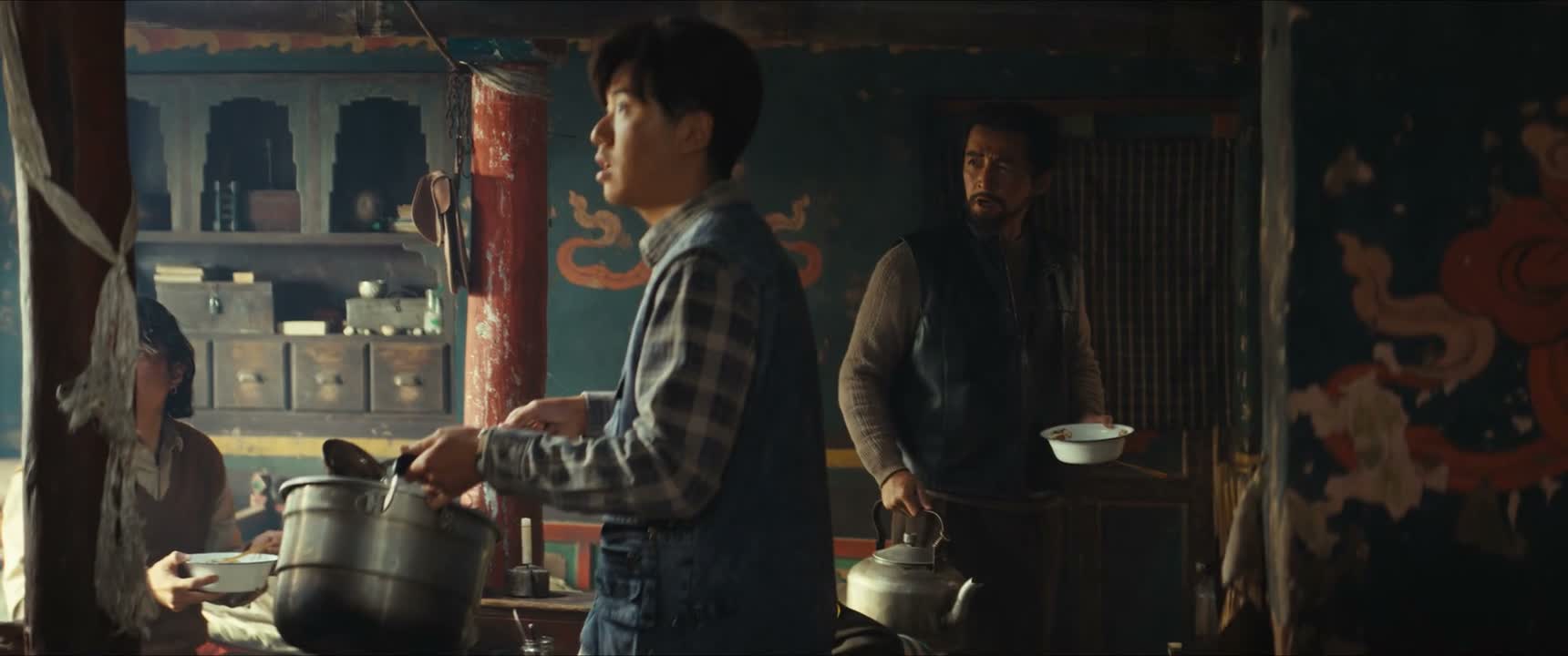
“What's wrong? Is the wolf here?”

“If it never happens, we can't prove ourselves. But if it really happens,”

“it might get out of hand. Stay on alert.”

“How can I send you to the lion's den without giving you some tips first?”

“You won't get a baby”