你想谁没个病没个灾的
“Everyone gets sick sometimes.”
THE DIALOGUE REEL
你想谁 没个病没个灾 的
“Everyone gets sick sometimes.”
你请个病假她还能跑医院抓你去
“Take sick leave. She won't drag you to the hospital.”
“Stop worrying so much; getting sick is totally normal, so she will never suspect you're faking.”
Taking sick leave is universally perceived as the safest, least challengeable reason for absence in Chinese workplace dynamics, shielding individuals from awkward inquiries.
LEARNING CHUNKS & PARTICLES
to never fall ill or suffer an accident
A colloquial idiom meaning 'free of any sickness or mishap'; usually used in rhetorical questions to emphasize human vulnerability.
just think about it; consider this
A conversational filler used at the beginning of a turn to invite the listener to reason logically along with the speaker.
VOCABULARY & EXPRESSIONS
Parallel Spoken Cinema Scenes (语义近邻切片)

“Who are you? Are you sick?”

“This time, no one can save you.”

“to take care of each other.”
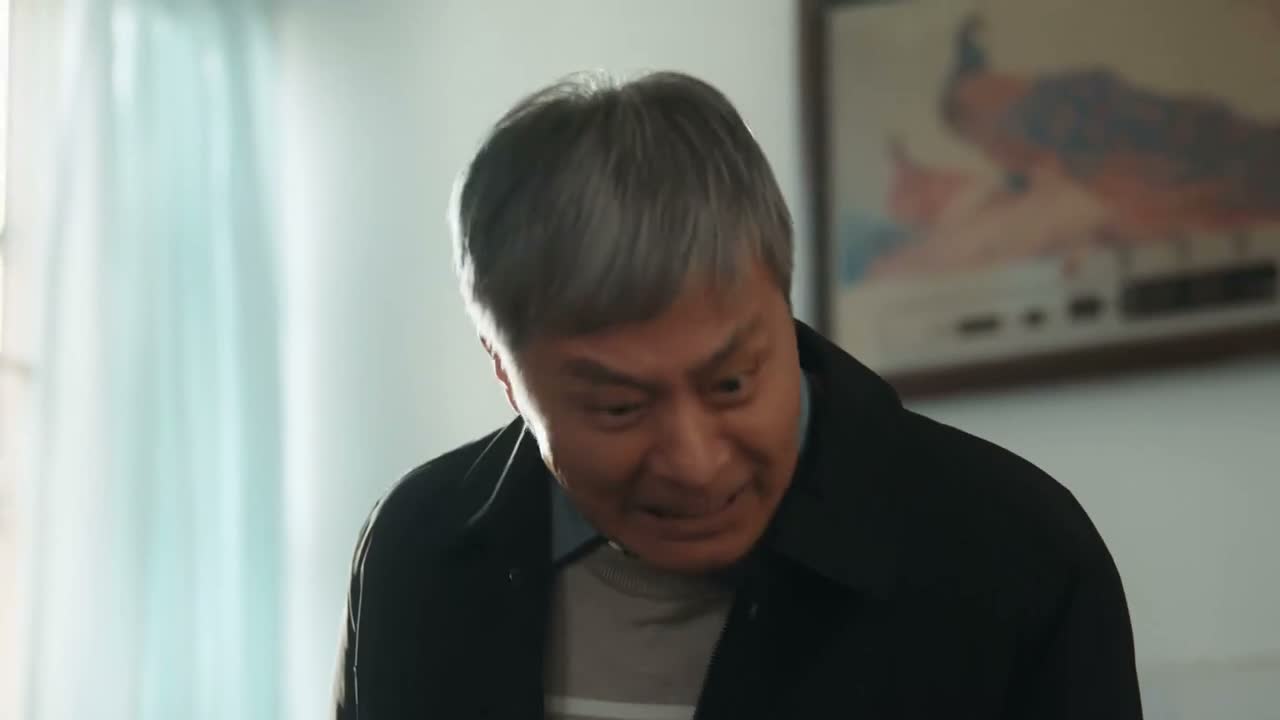
“I don't have that kind of blessing.”

“that White Asura averted disasters and cured illnesses.”

“Life goes on with or without anyone.”