MC
MandarinClips Cinema Corpus
《Veil of Shadows》 S1·E15 (25:04) HSK 4
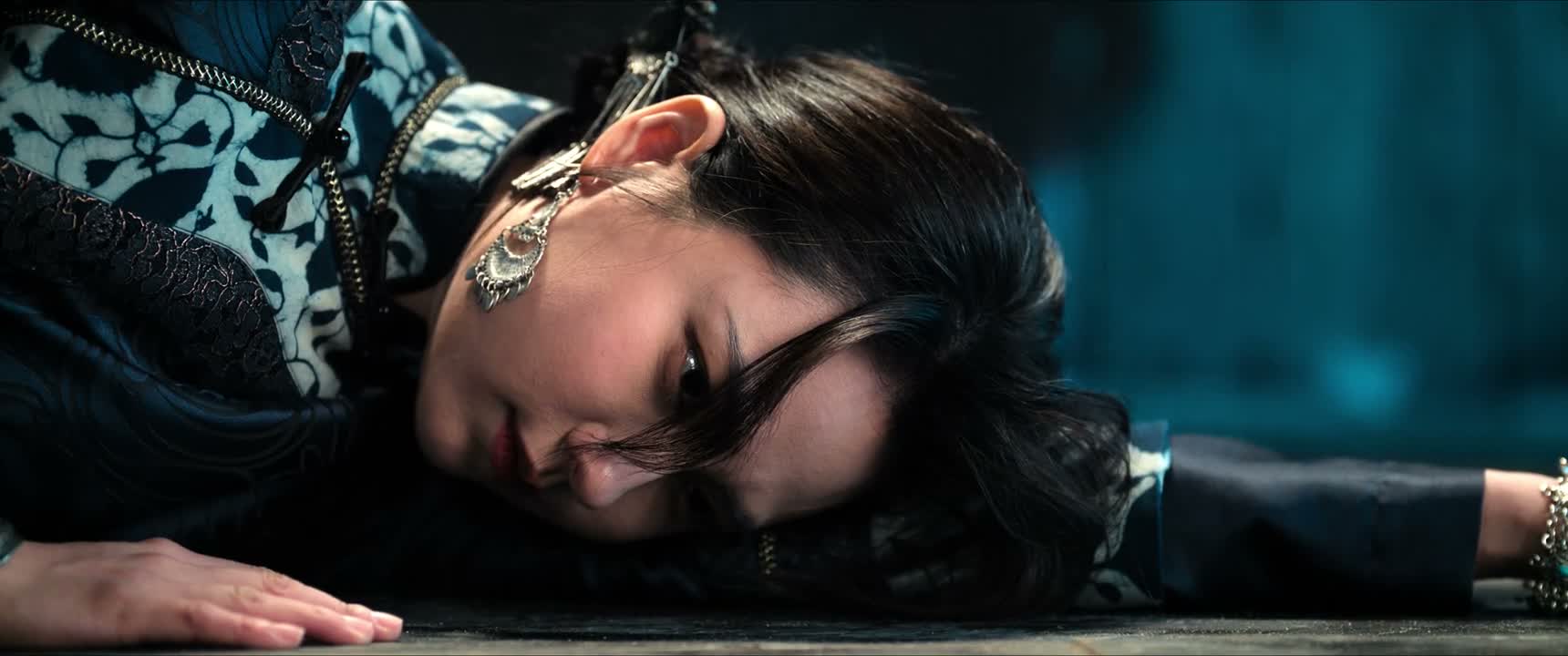
tā men bú huì zhēn de yào sǐ zài tiān zāi lǐ le ba ?

他们不会真的要死在天灾里了吧?

“Are they really going to die in the disasters?”

《Veil of Shadows》 S1·E15
TIMECODE: 25:04 · 1080P MASTER AUDIO

THE DIALOGUE REEL

1+1+1 SPOKEN CONTINUITY
[-1] PREVIOUS TURN bái zé zhè ge piàn zi

白泽这个骗子

“That liar Bai Ze!”

tā men bú huì zhēn de yào sǐ zài tiān zāi lǐ le ba ? CURRENT FOCUS

他们 不会真的要 死在天灾里 了吧 ?

“Are they really going to die in the disasters?”

[+1] FOLLOW-UP TURN shī fù zhè shì zěn me huí shì ?

“Master… What's happening?”

Subtitles synced to millisecond timecode Browse Show Clips →
Scene: Crisis & Conflict
Function: EXPRESSING WORRY
Tone: APPREHENSIVE
Emotion: ANXIETY
WHAT THEY REALLY MEAN (PRAGMATIC SUBTEXT)
“Please tell me they aren't actually dead—this cannot be happening!”
💡 Cultural Insight: Apprehensive Rhetorical Queries

In Chinese discourse, framing a nightmare scenario as a rhetorical question with '不会……了吧' functions as an emotional release of dread, inviting others to dispel the fear.

INTENT TAGS: #expressing_fear #seeking_reassurance #catastrophizing #incredulity
🧩

LEARNING CHUNKS & PARTICLES

2 CHUNKS · 2 PARTICLES
不会……了吧 SPOKEN CHUNK

surely it's not the case that... / could it be that...

Use this rhetorical structure to express dread or suspicion regarding an unfavorable possibility.

死在……里 SPOKEN CHUNK

to perish in / to die inside

A common locative construction used to state where someone lost their life.

Modal Particle「了」 (le) CHANGE OF STATE

Signifies a dreaded transition into a new, finalized state of being dead.

Modal Particle「吧」 (ba) CHANGE OF STATE

Softens the interrogative tone into a hesitant guess while soliciting confirmation.
🏮

VOCABULARY & EXPRESSIONS

1 EXPR · 2 GRAMMAR
CROSS-CINEMA CORPUS BOARD · PARALLEL SCENES

Parallel Spoken Cinema Scenes (语义近邻切片)

EXPLORE BY SEMANTIC SIMILARITY
《Veil of Shadows》 S1·E15 (25:04) · Authentic Cinema Dialogue Corpus