MC
MandarinClips Cinema Corpus
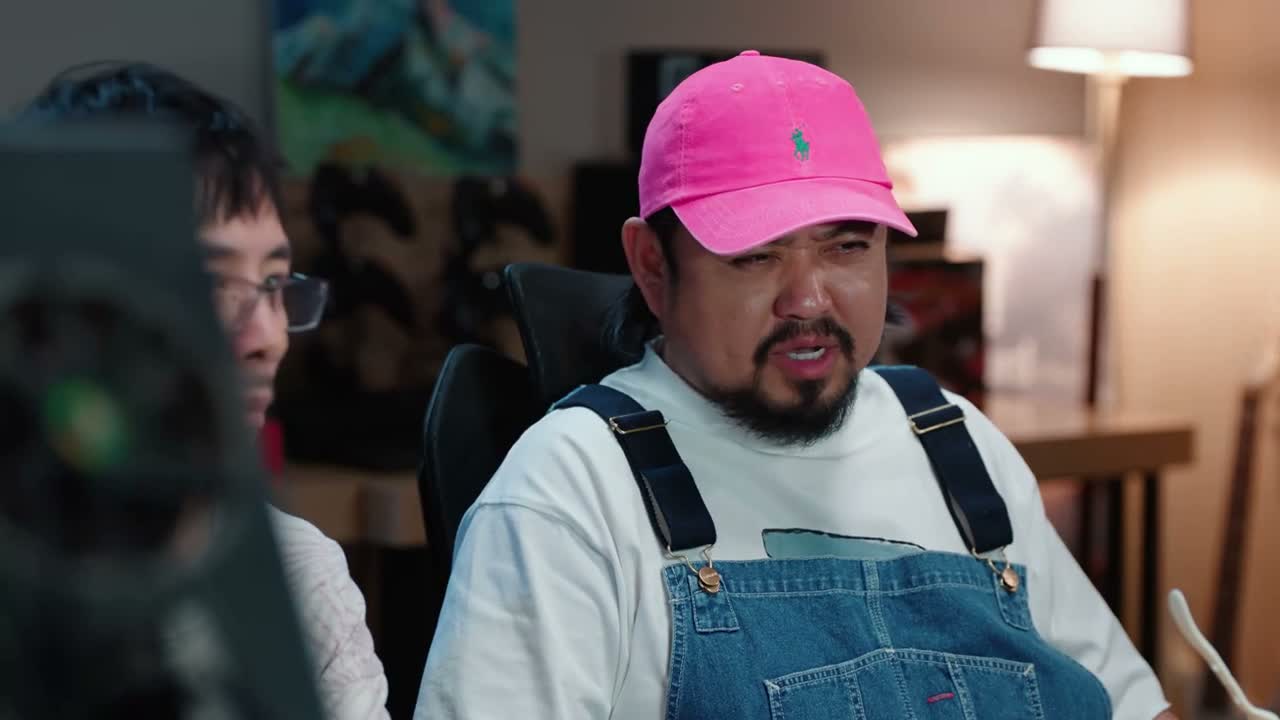
《Vanished Name》 S1·E20 (09:03) HSK 5
bǎ zì jǐ gěi chè dǐ dì wán sǐ

把自己给彻底地玩死

“to end up destroying herself.”

《Vanished Name》 S1·E20
TIMECODE: 09:03 · 1080P MASTER AUDIO

THE DIALOGUE REEL

1+1+1 SPOKEN CONTINUITY
[-1] PREVIOUS TURN wǒ bù xī wàng dào zuì hòu rèn xiǎo míng

我不希望到最后 任小名

“that I don't want Ren Xiaoming to end up destroying herself.”

bǎ zì jǐ gěi chè dǐ dì wán sǐ CURRENT FOCUS

把 自己 给彻底地 玩死

“to end up destroying herself.”

[+1] FOLLOW-UP TURN liáng lǜ shī

梁律师

“Ms. Liang, she is my wife.”

Subtitles synced to millisecond timecode Browse Show Clips →
Scene: Legal & Police
Function: ISSUING A WARNING
Tone: BLUNT
Emotion: FRUSTRATION
WHAT THEY REALLY MEAN (PRAGMATIC SUBTEXT)
“You are digging your own grave if you keep this up.”
💡 Cultural Insight: Self-Inflicted Downfall (Zuo)

In contemporary Chinese discourse, warning someone that they will 'play themselves to death' reflects the cultural critique of reckless self-sabotage (作死, zuòsǐ), urging prudence before crossing the point of no return.

INTENT TAGS: #warning #intimidation #deterrence #blunt_advice
🧩

LEARNING CHUNKS & PARTICLES

2 CHUNKS · 0 PARTICLES
把自己给 SPOKEN CHUNK

subjecting oneself to / ending up causing oneself to

A common colloquial structure using the disposal marker 把 paired with 给 to emphasize an adverse or self-inflicted result.

玩死 SPOKEN CHUNK

to ruin oneself completely / to play with fire and destroy oneself

A highly informal and intense idiom meaning to bring about one's own downfall through reckless manipulation or foolish actions.
🏮

VOCABULARY & EXPRESSIONS

2 EXPR · 0 GRAMMAR
COLLOQUIAL EXPRESSIONS:
CROSS-CINEMA CORPUS BOARD · PARALLEL SCENES

Parallel Spoken Cinema Scenes (语义近邻切片)

EXPLORE BY SEMANTIC SIMILARITY
《Vanished Name》 S1·E20 (09:03) · Authentic Cinema Dialogue Corpus