MC
MandarinClips Cinema Corpus
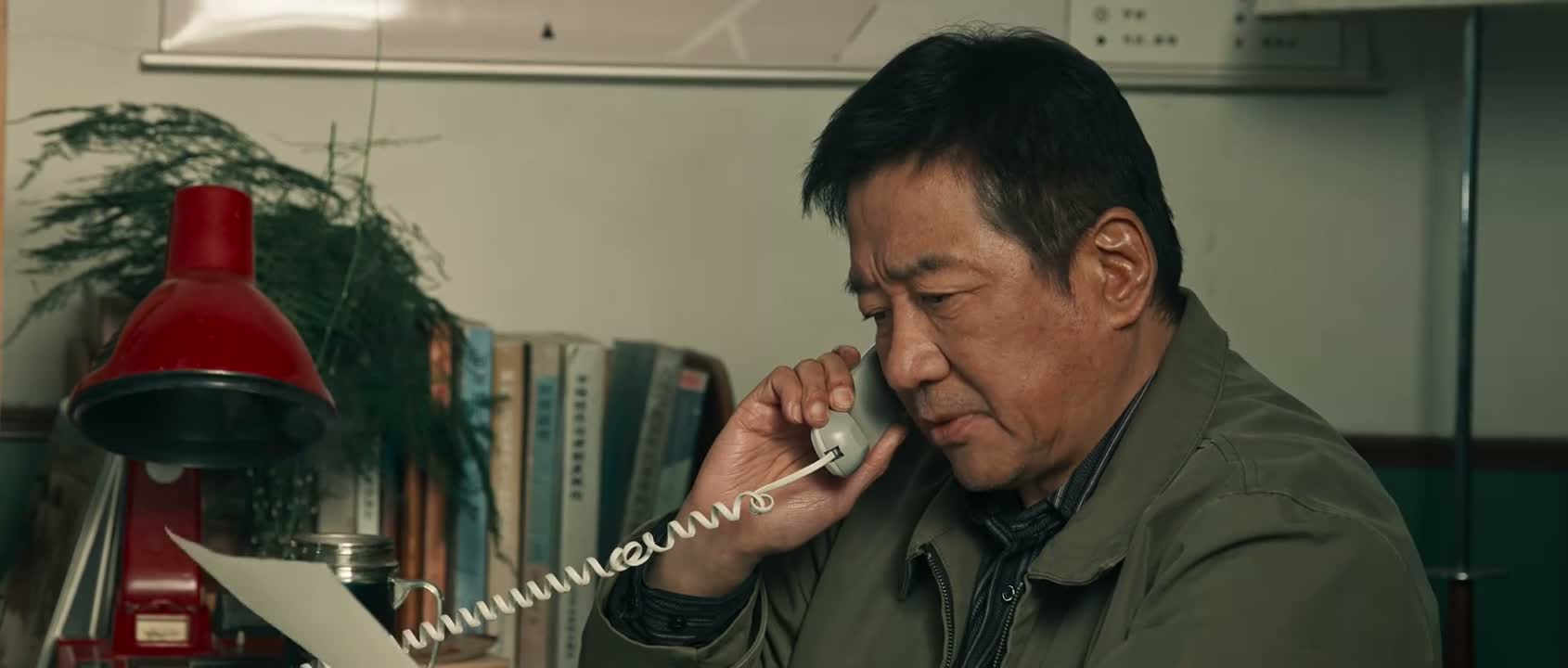
《Dream of Golden Years》 S1·E17 (08:38) HSK 2
nǐ bié máng tài wǎn a zǎo diǎn huí qù

你别忙太晚啊 早点回去

“Don't stay out too late. Go home early.”

《Dream of Golden Years》 S1·E17
TIMECODE: 08:38 · 1080P MASTER AUDIO

THE DIALOGUE REEL

1+1+1 SPOKEN CONTINUITY
[-1] PREVIOUS TURN duì zhèng hǎo wǒ yuē le zhēn zhū yào tán gè shì

对 正好我约了珍珠 要谈个事

“Right. I happen to be meeting Zhenzhu to discuss something.”

nǐ bié máng tài wǎn a zǎo diǎn huí qù CURRENT FOCUS

你 别忙太晚 啊 早点回去

“Don't stay out too late. Go home early.”

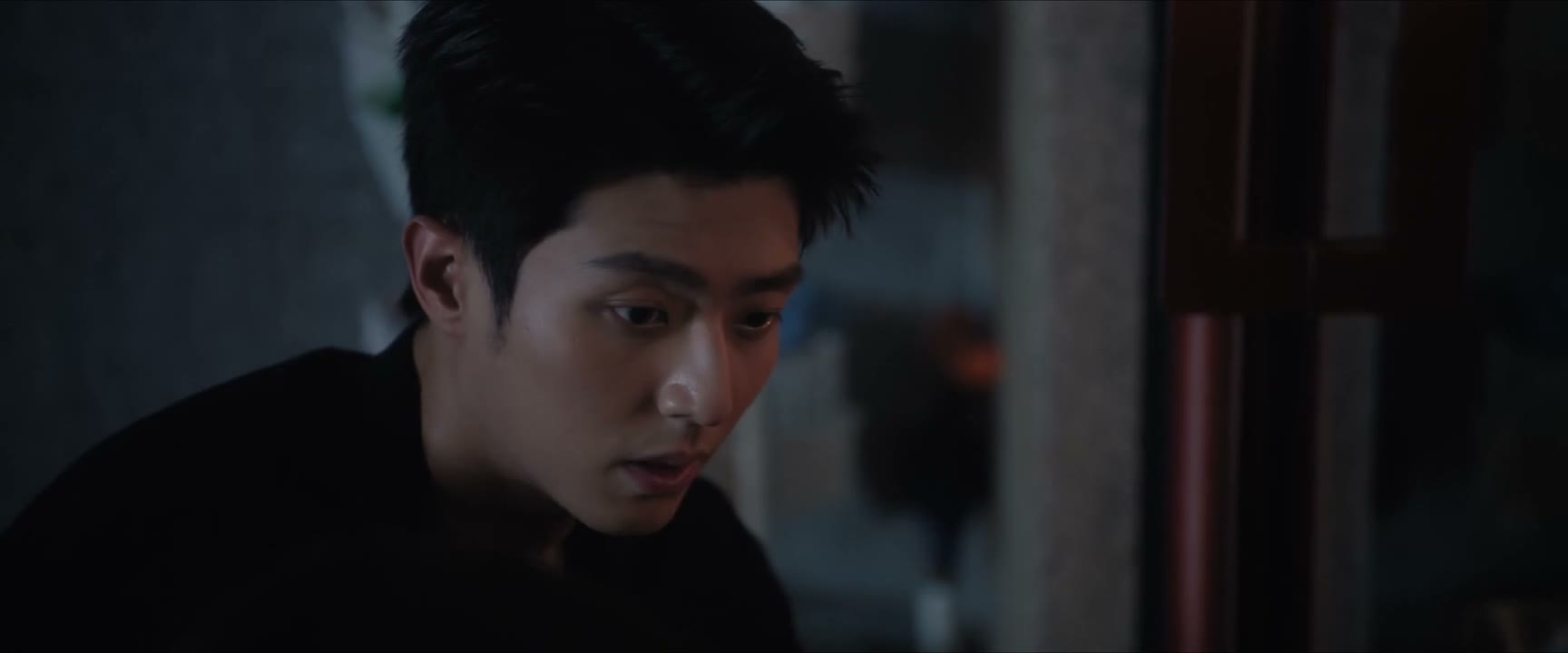
[+1] FOLLOW-UP TURN hǎo

好

“Okay.”

Subtitles synced to millisecond timecode Browse Show Clips →
Scene: Workplace
Function: CARING ADVICE
Tone: WARM AND CONSIDERATE
Emotion: CARING
WHAT THEY REALLY MEAN (PRAGMATIC SUBTEXT)

Direct spoken expression in this communicative setting.

💡 Cultural Insight: Caring Parting Formula (Wenhou)

In Chinese work culture, explicitly telling colleagues not to work too late when leaving before them serves as an essential social lubricant showing empathy and avoiding guilt.

INTENT TAGS: #caring #parting_remark #consideration
🧩

LEARNING CHUNKS & PARTICLES

2 CHUNKS · 1 PARTICLES
别忙太晚 SPOKEN CHUNK

don't stay busy too late

A widely used polite parting phrase expressing consideration toward someone staying behind to work.

早点回去 SPOKEN CHUNK

head back early; go home early

Standard conversational farewell implying care for the listener's well-being and rest.

Modal Particle「啊」 (a) CHANGE OF STATE

Softens the imperative 'don't work too late' into affectionate, friendly advice.
🏮

VOCABULARY & EXPRESSIONS

2 EXPR · 0 GRAMMAR
CROSS-CINEMA CORPUS BOARD · PARALLEL SCENES

Parallel Spoken Cinema Scenes (语义近邻切片)

EXPLORE BY SEMANTIC SIMILARITY
《Dream of Golden Years》 S1·E17 (08:38) · Authentic Cinema Dialogue Corpus