MC
MandarinClips Cinema Corpus
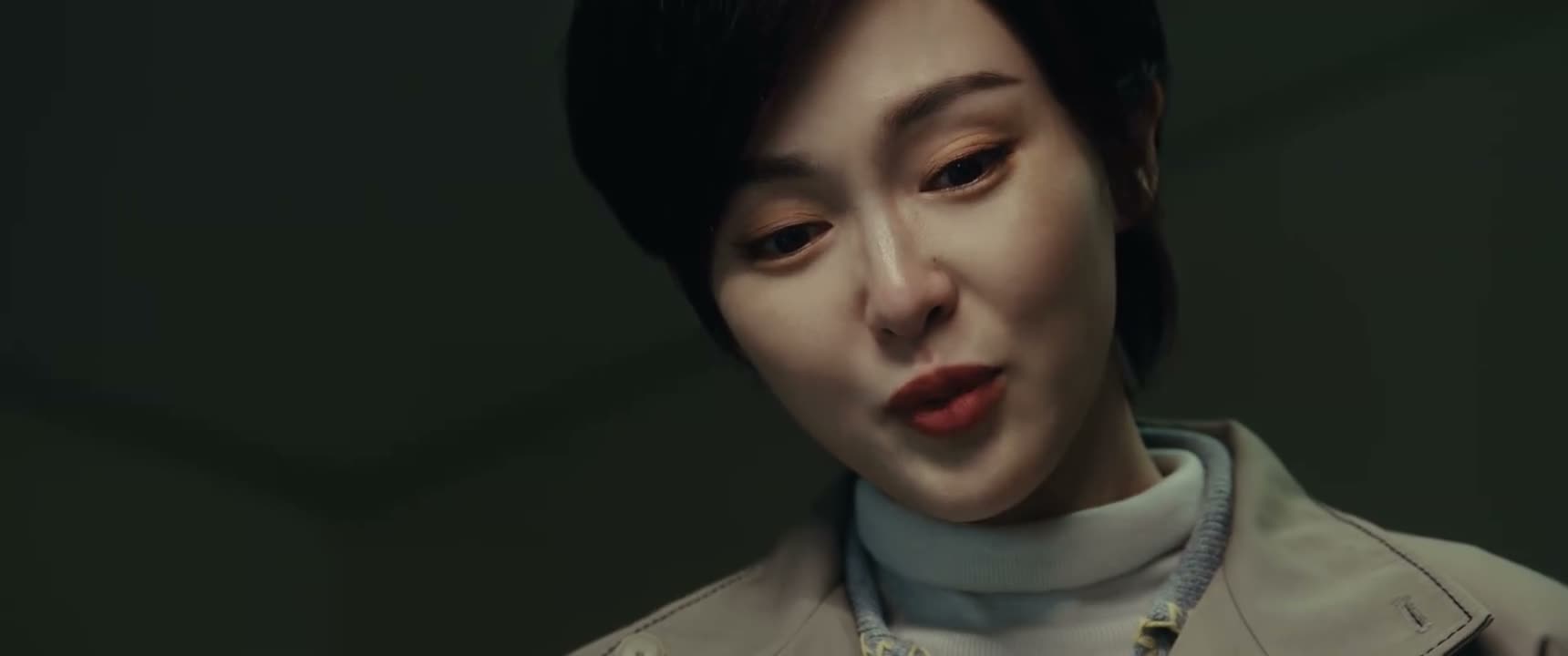
《The Lead》 S1·E45 (16:25) HSK 7
wú lùn rú hé yě zhāng bù kāi zuǐ

无论如何也张不开嘴

“(Yi Qin'e simply couldn't open her mouth)”

《The Lead》 S1·E45
TIMECODE: 16:25 · 1080P MASTER AUDIO

THE DIALOGUE REEL

1+1+1 SPOKEN CONTINUITY
[-1] PREVIOUS TURN zhè xiē nián yì qín é bù zhī dào wèi shén me

这些年 忆秦娥不知道为什么

“(Over the years,) (for some reason,)”

wú lùn rú hé yě zhāng bù kāi zuǐ CURRENT FOCUS

无论如何 也 张不开嘴

“(Yi Qin'e simply couldn't open her mouth)”

[+1] FOLLOW-UP TURN zài yě chàng bù chū lái le

再也唱不出来了

“(to sing again.)”

Subtitles synced to millisecond timecode Browse Show Clips →
Scene: Workplace
Function: DESCRIBING PREDICAMENT
Tone: SOMBER
Emotion: SORROW
WHAT THEY REALLY MEAN (PRAGMATIC SUBTEXT)
“Something broke inside her, and she has completely lost her voice and spirit to sing.”
💡 Cultural Insight: Somatization of Emotional Trauma in Traditional Performing Arts

In Chinese opera culture, a performer's voice is considered an extension of their life force and emotional state. Losing the ability to 'open one's mouth' often symbolizes deep unspoken grief or a spiritual crisis rather than a mere physical ailment.

INTENT TAGS: #describing_helplessness #emphasizing_difficulty #narrating_trauma #expressing_pity
🧩

LEARNING CHUNKS & PARTICLES

2 CHUNKS · 0 PARTICLES
无论如何 SPOKEN CHUNK

no matter what; by any means; at all costs

Often paired with 也 (yě) or 都 (dōu) in the following clause to emphasize that an outcome remains unchanged despite any effort.

张不开嘴 SPOKEN CHUNK

unable to open one's mouth (to speak or sing)

A potential complement structure used either literally for physical inability or figuratively when someone feels too embarrassed, traumatized, or hesitant to speak up.

🏮

VOCABULARY & EXPRESSIONS

2 EXPR · 0 GRAMMAR
CROSS-CINEMA CORPUS BOARD · PARALLEL SCENES

Parallel Spoken Cinema Scenes (语义近邻切片)

EXPLORE BY SEMANTIC SIMILARITY
《The Lead》 S1·E45 (16:25) · Authentic Cinema Dialogue Corpus