也不知道咱俩谁老年痴呆
“Hard to say which of us has dementia.”
THE DIALOGUE REEL
你老年痴呆啊
“Do you have dementia?”
也不知道 咱俩谁 老年痴呆
“Hard to say which of us has dementia.”
“Just tell me. Want the money? No, money talk hurts feelings.”
“You're calling me senile? Look in the mirror, you're the one losing your mind!”
Among close Chinese family members or old friends, trading sharp, exaggerated insults (like accusing each other of senility) is a common form of affectionate banter rather than genuine hostility.
LEARNING CHUNKS & PARTICLES
I don't even know / who knows
Often used at the start of a sentence to introduce a sarcastic or rhetorical jab rather than genuine uncertainty.
the two of us
Very common, warm, and informal contraction of '我们两个' used between close friends, family, or partners.
senile dementia / Alzheimer's
In casual banter among close friends or family, it is often used hyperbolically to tease someone for being forgetful or muddle-headed.
VOCABULARY & EXPRESSIONS
Parallel Spoken Cinema Scenes (语义近邻切片)

“He has Alzheimer's disease. It's getting worse and worse.”

“What's wrong with you? Alzheimer's?”
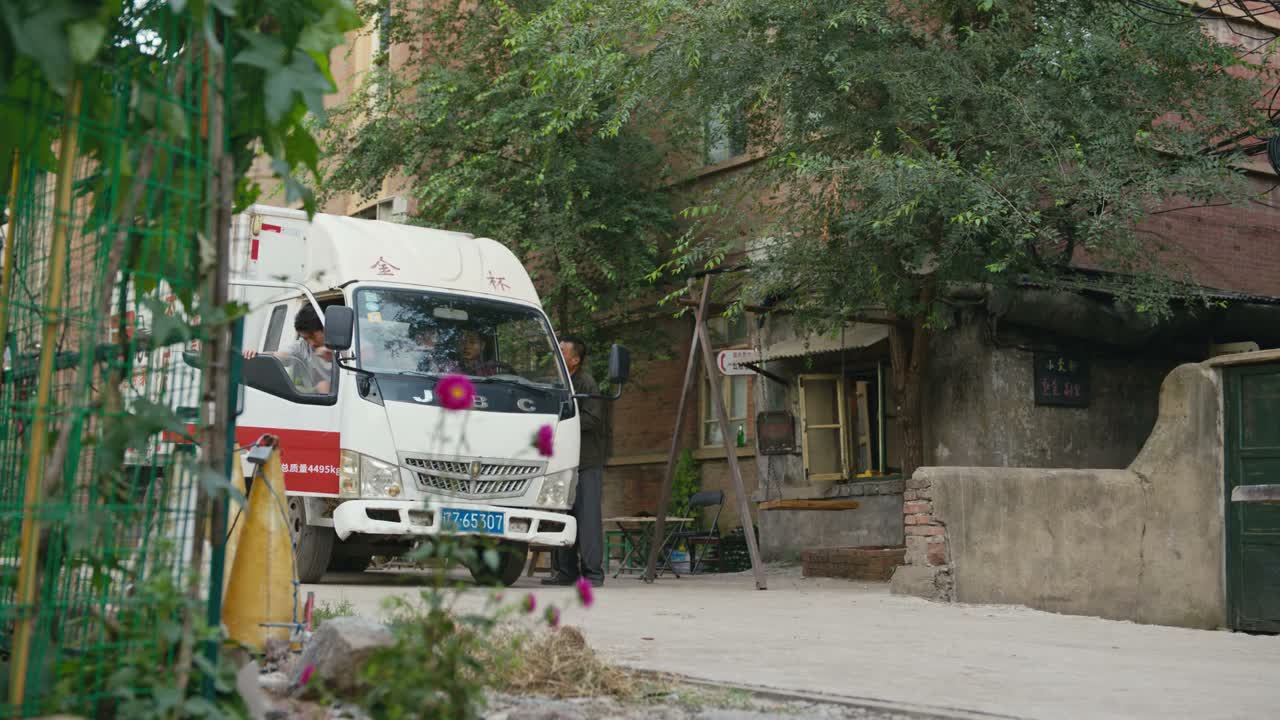
“her father has Alzheimer's and gets confused.”
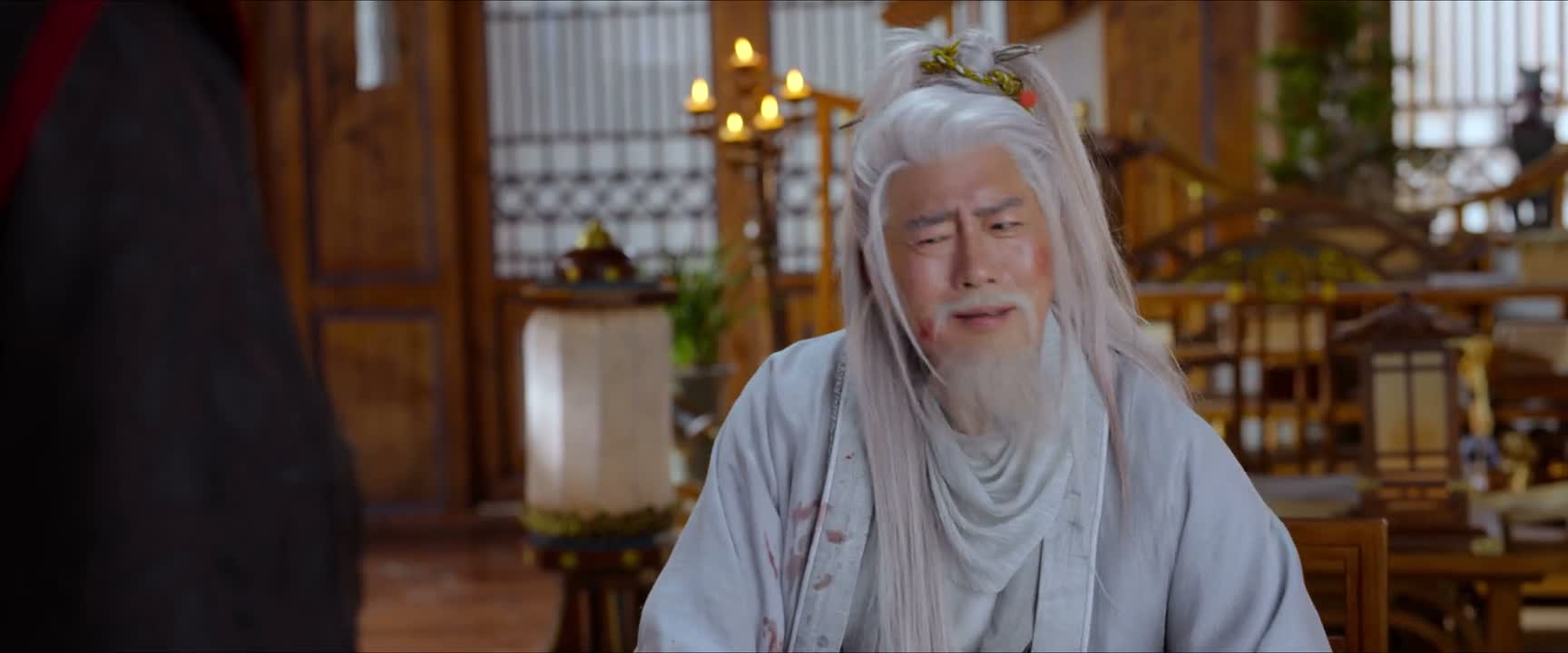
“You're getting more and more muddle-headed as you age.”

“My parents just consider you as a part of the family.”
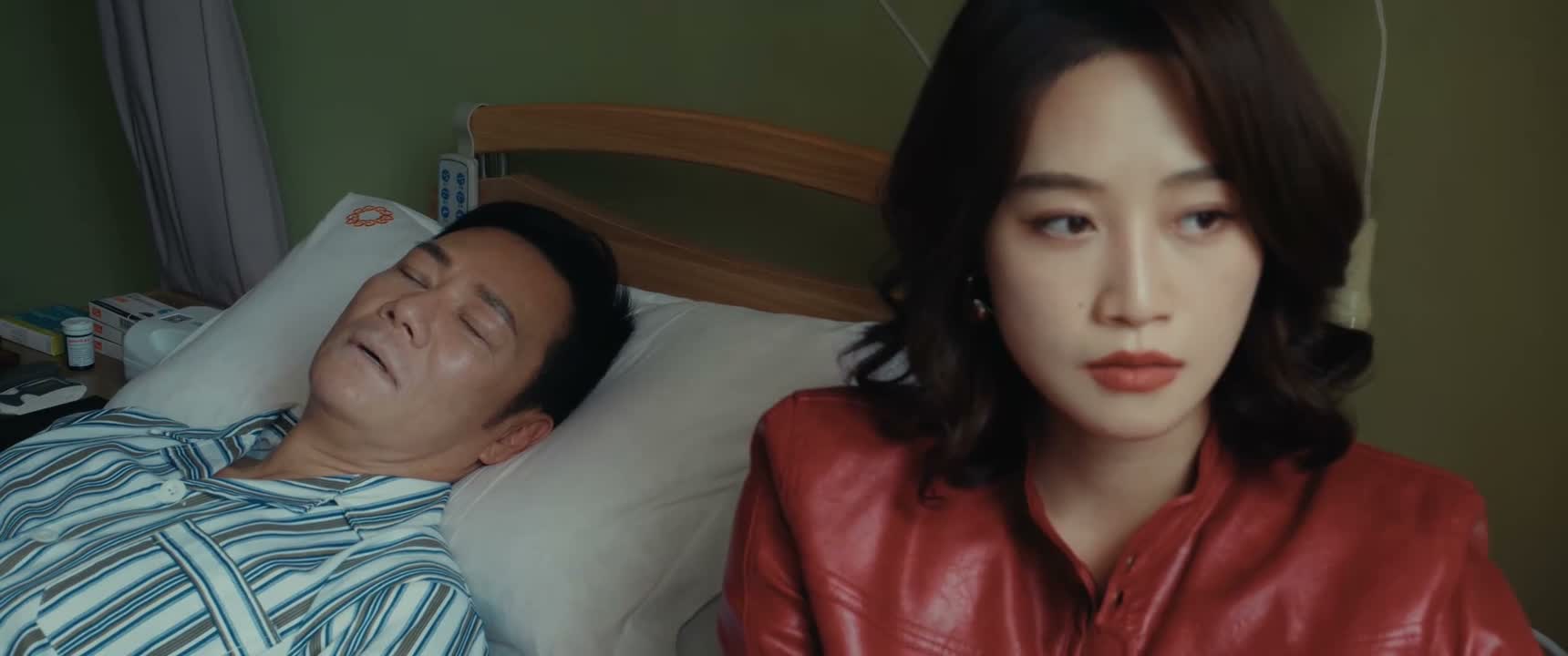
“I'm an old man already.”