宝贝 我爱你
“Babe, I love you.”
THE DIALOGUE REEL
宝贝我爱你
“Babe, I love you.”
宝贝 我爱你
“Babe, I love you.”
生日快乐
“Happy birthday.”
Direct spoken expression in this communicative setting.
Historically, Chinese culture favored showing love through actions rather than words, making direct phrases like 'I love you' feel overly dramatic. However, modern urban youth and couples use them much more freely today, especially on special occasions like birthdays.
LEARNING CHUNKS & PARTICLES
baby; darling; sweetheart
Used as an intimate term of endearment for romantic partners or young children.
I love you
Direct declaration of romantic or familial love; used more sparingly in traditional Chinese culture than in English, though increasingly common among younger generations.
VOCABULARY & EXPRESSIONS
Parallel Spoken Cinema Scenes (语义近邻切片)
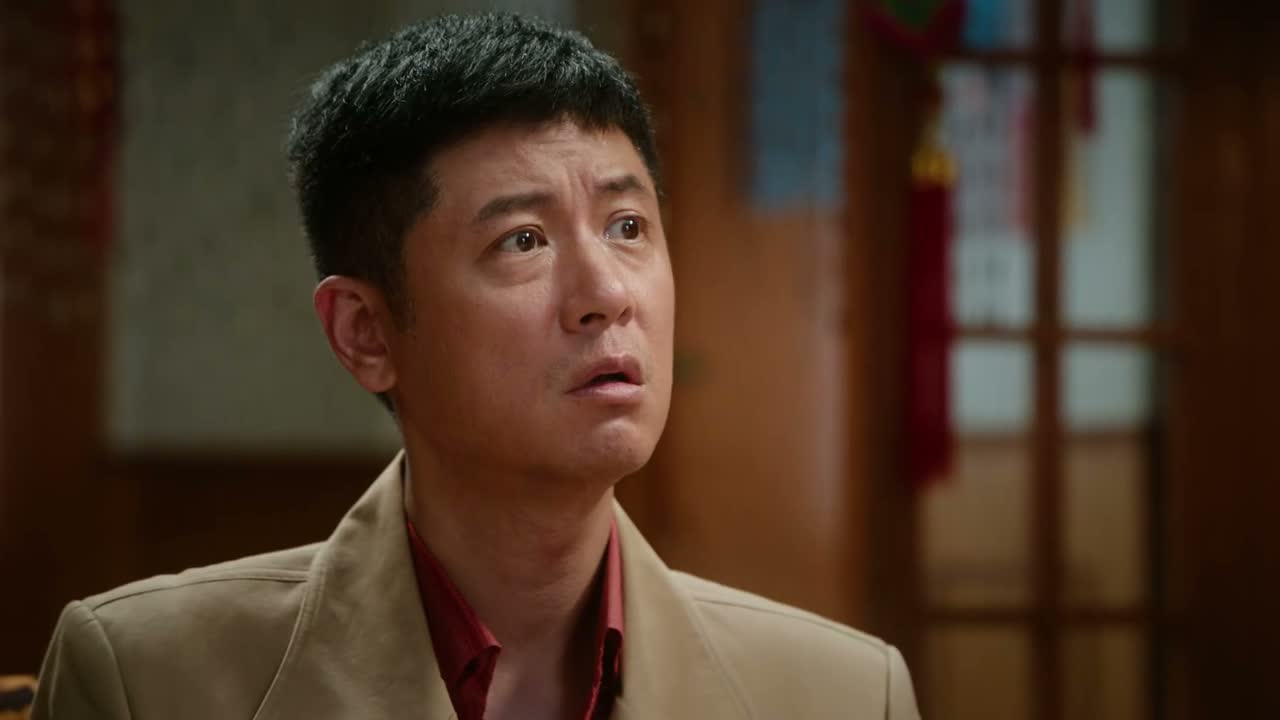
“I... I love you very much.”
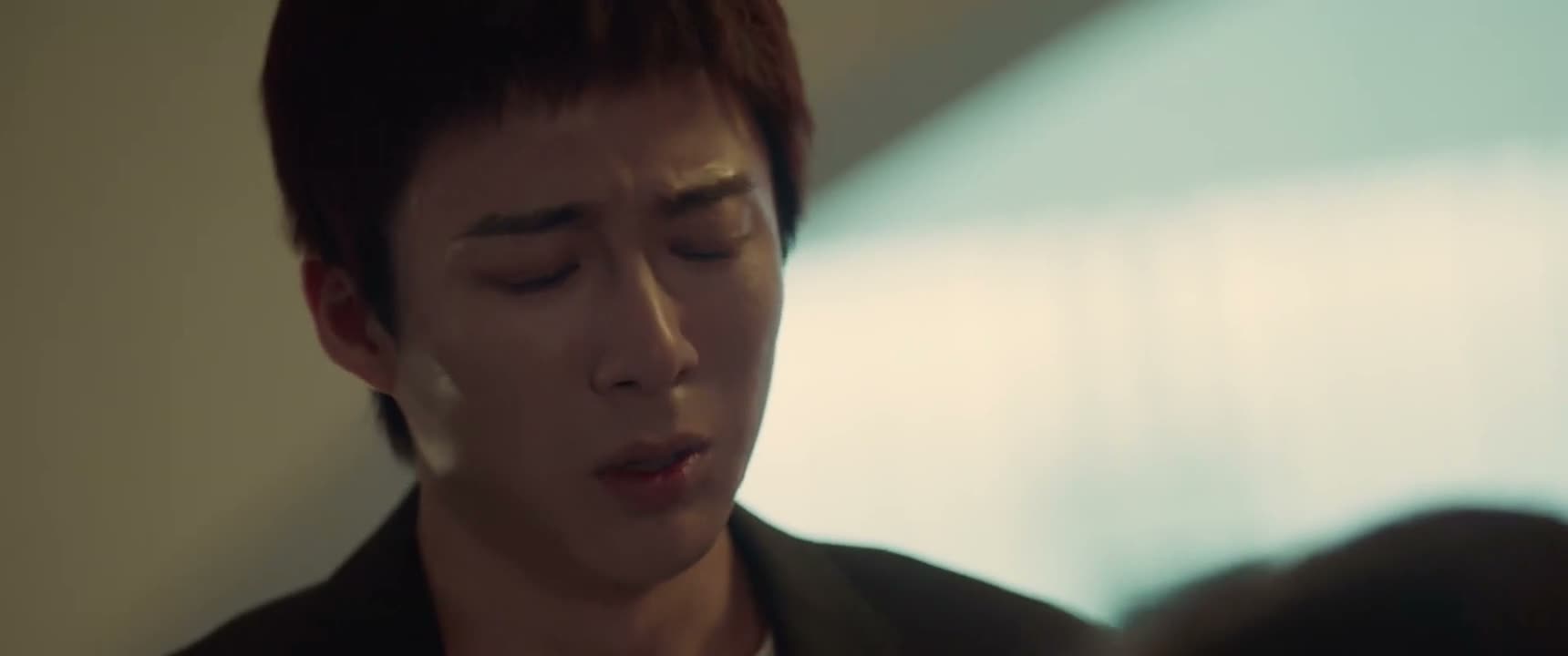
“I love you.”

“(Fun Theater) Mr. Zhi, I like you so much. Thank you. Come.”

“I truly love Xiaole. I haven't touched any woman besides Xiaole.”