MC
MandarinClips Cinema Corpus
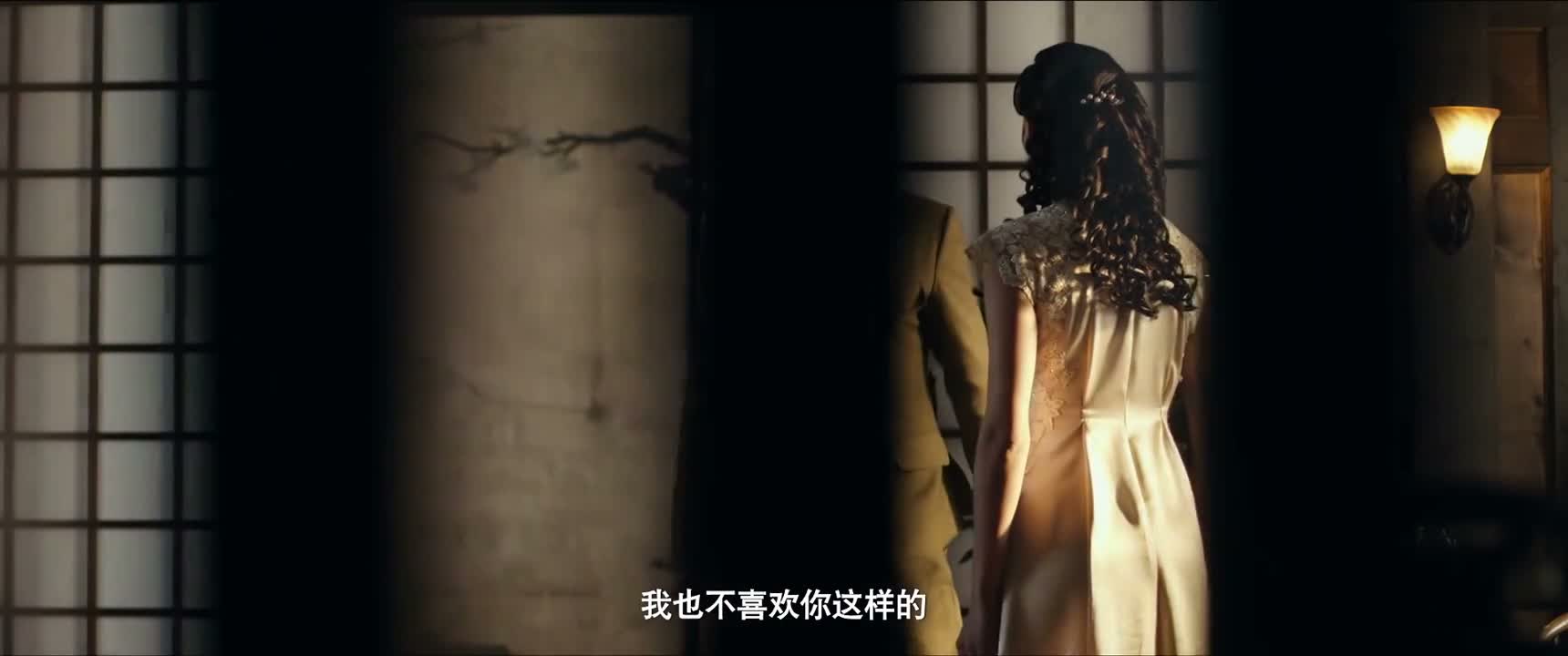
《The Glamorous Night》 S1·E22 (25:04) HSK 5
fǎn ér wǒ fēi cháng bù xǐ huān nǐ zhè zhǒng rén

反而我非常不喜欢你这种人

“In fact, I really dislike people like you.”

《The Glamorous Night》 S1·E22
TIMECODE: 25:04 · 1080P MASTER AUDIO

THE DIALOGUE REEL

1+1+1 SPOKEN CONTINUITY
[-1] PREVIOUS TURN bú shì yīn wèi wǒ duō me xǐ huān nǐ

不是因为我多么喜欢你

“Not because I particularly like you.”

fǎn ér wǒ fēi cháng bù xǐ huān nǐ zhè zhǒng rén CURRENT FOCUS

反而我非常 不喜欢你这种人

“In fact, I really dislike people like you.”

[+1] FOLLOW-UP TURN rú guǒ ràng wǒ xuǎn rén zuò xiōng dì

如果让我选人做兄弟

“If I were choosing a buddy,”

Subtitles synced to millisecond timecode Browse Show Clips →
Scene: Social & Dating
Function: BLUNT CRITICISM
Tone: BLUNT
Emotion: DISDAIN
WHAT THEY REALLY MEAN (PRAGMATIC SUBTEXT)
“Do not flatter yourself; I am helping or dealing with you out of principle or necessity, not because we are friends.”
💡 Cultural Insight: Brotherhood (Xiongdi) vs. Pragmatic Alliances

In Chinese social dynamics, calling someone a 'brother' implies deep emotional loyalty and shared values. Explicitly separating personal dislike from pragmatic action highlights a boundary between personal bond and duty.

INTENT TAGS: #setting_boundaries #blunt_honesty #expressing_dislike #clarifying_motives
🧩

LEARNING CHUNKS & PARTICLES

2 CHUNKS · 0 PARTICLES
反而 SPOKEN CHUNK

on the contrary; instead

Used as a conjunction to introduce an outcome or feeling that is the exact opposite of what was previously stated or expected.

你这种人 SPOKEN CHUNK

people like you; your type of person

Frequently carries a derogatory or judgmental nuance when used in direct confrontation.
🏮

VOCABULARY & EXPRESSIONS

1 EXPR · 0 GRAMMAR
CROSS-CINEMA CORPUS BOARD · PARALLEL SCENES

Parallel Spoken Cinema Scenes (语义近邻切片)

EXPLORE BY SEMANTIC SIMILARITY
《The Glamorous Night》 S1·E22 (25:04) · Authentic Cinema Dialogue Corpus