MC
MandarinClips Cinema Corpus
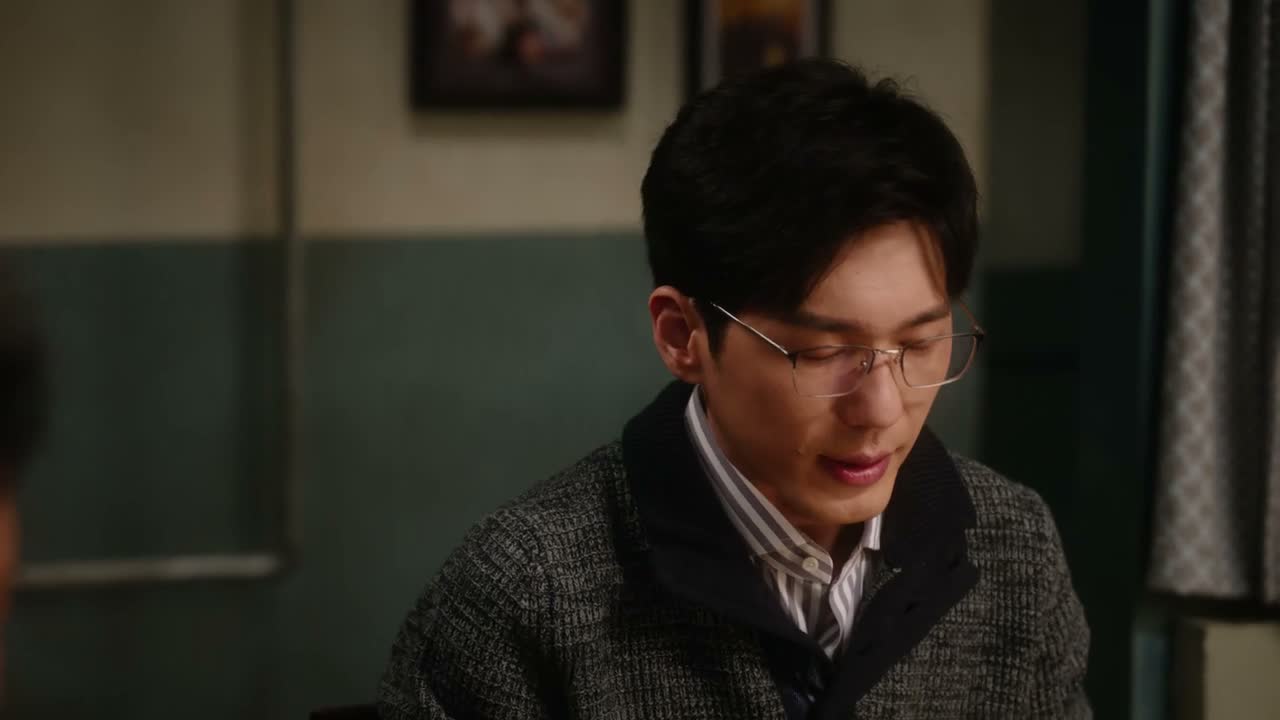
《The Glamorous Night》 S1·E22 (05:28) HSK 1
wǒ shuō cuò huà le méi shì

我说错话了 没事

“No offense. It's fine.”

《The Glamorous Night》 S1·E22
TIMECODE: 05:28 · 1080P MASTER AUDIO

THE DIALOGUE REEL

1+1+1 SPOKEN CONTINUITY
[-1] PREVIOUS TURN nà duì bù qǐ a céng zi xuán

“Sorry, Zeng Zixuan.”

wǒ shuō cuò huà le méi shì CURRENT FOCUS

我说 错话了 没事

“No offense. It's fine.”

[+1] FOLLOW-UP TURN dà jiā yào shì xiǎng qù cán jiǎn nà wǒ men jiù qù bei nǐ huán yuàn yì qù cán jiǎn

大家要是想去蚕茧 那我们就去呗 你还愿意去蚕茧

“If you want to go to Cocoon, then let's go. You don't mind going there?”

Subtitles synced to millisecond timecode Browse Show Clips →
Scene: Social & Dating
Function: DE ESCALATING TENSION
Tone: CONCILIATORY
Emotion: EMBARRASSMENT
WHAT THEY REALLY MEAN (PRAGMATIC SUBTEXT)
“Let's just drop it so things aren't awkward in front of everyone.”
💡 Cultural Insight: Self-deprecation for Group Harmony

In Chinese social dynamics, when someone apologizes, the recipient often takes partial blame (such as claiming they spoke out of turn) to preserve the apologizer's face and restore group harmony.

INTENT TAGS: #accepting_apology #face_saving #self_blame #smoothing_over
🧩

LEARNING CHUNKS & PARTICLES

2 CHUNKS · 1 PARTICLES
说错话 SPOKEN CHUNK

to say the wrong thing / to make a verbal slip

Used to apologize for a faux pas or to self-deprecatingly defuse social tension.

没事 SPOKEN CHUNK

it's nothing / it's fine / never mind

The most common phrase in spoken Chinese to accept an apology or dismiss a minor problem.

Modal Particle「了」 (le) CHANGE OF STATE

Marks the completion of the action of 'speaking wrongly', acknowledging the slip-up as an established fact.

🏮

VOCABULARY & EXPRESSIONS

2 EXPR · 0 GRAMMAR
CROSS-CINEMA CORPUS BOARD · PARALLEL SCENES

Parallel Spoken Cinema Scenes (语义近邻切片)

EXPLORE BY SEMANTIC SIMILARITY
《The Glamorous Night》 S1·E22 (05:28) · Authentic Cinema Dialogue Corpus