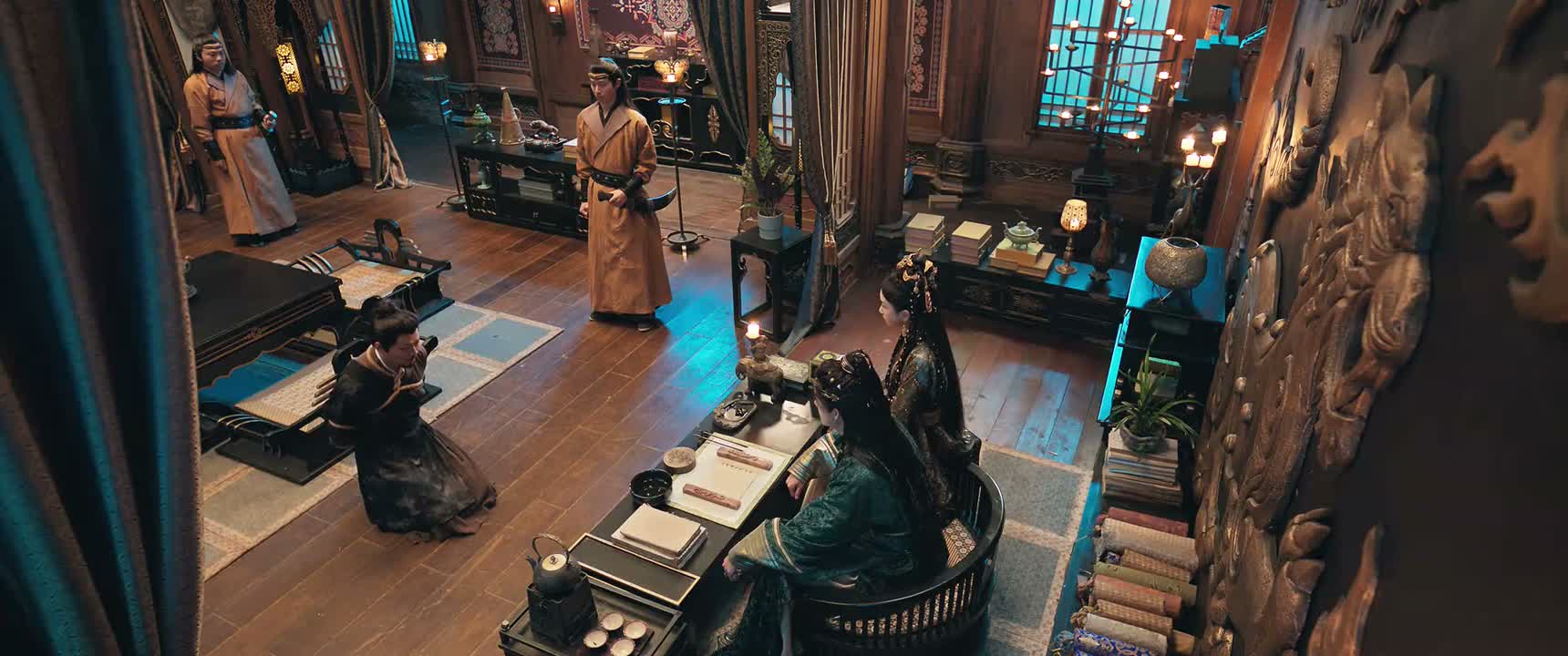
《Archives: The Nanyang Mystery》 S1·E18 (26:36)
HSK 7
zěn me jiù néng duì wǒ tòng xià shā shǒu ne
怎么就能对我痛下杀手呢
“How could he try to kill me ruthlessly?”
《Archives: The Nanyang Mystery》
S1·E18
TIMECODE: 26:36
·
1080P MASTER AUDIO
THE DIALOGUE REEL
[-1] PREVIOUS TURN
suàn shàng qù wǒ yě suàn tā biǎo jiù bú duì tā shì wǒ biǎo gē
算上去我也算他表舅 不对 他是我表哥
“Technically, I'm his uncle. No, he's my cousin.”
zěn me jiù néng duì wǒ tòng xià shā shǒu ne
CURRENT FOCUS
怎么就 能对我 痛下杀手 呢
“How could he try to kill me ruthlessly?”
[+1] FOLLOW-UP TURN
zhè shì wǒ kàn méi yǒu nà me jiǎn dān a
“I don't think it's that simple.”
Subtitles synced to millisecond timecode
Browse Show Clips →
Scene:
Crisis & Conflict
Function:
EXPRESSING DISBELIEF
Tone:
INDIGNANT
Emotion:
SHOCK
WHAT THEY REALLY MEAN (PRAGMATIC SUBTEXT)
“We are family—how could he be so cold-blooded and try to kill me?”
💡 Cultural Insight: Kinship Obligations and Betrayal
In Chinese culture, blood relations carry heavy moral obligations of mutual protection; violence between cousins or relatives is considered particularly egregious and unnatural.
INTENT TAGS:
#indignation
#disbelief
#protest
#feeling_betrayed
🧩
2 CHUNKS · 1 PARTICLES
LEARNING CHUNKS & PARTICLES
痛下杀手
SPOKEN CHUNK
to strike a deadly blow, to murder ruthlessly
Used when someone resorts to lethal or brutal violence without hesitation or mercy.
怎么就能
SPOKEN CHUNK
how could [someone] possibly
Expresses strong rhetorical bewilderment and moral protest at unacceptable behavior.
Modal Particle「呢」 (ne)
CHANGE OF STATE
Heightens the rhetorical and puzzled tone of the question.
🏮
2 EXPR · 0 GRAMMAR
VOCABULARY & EXPRESSIONS
COLLOQUIAL EXPRESSIONS:
CROSS-CINEMA CORPUS BOARD · PARALLEL SCENES
EXPLORE BY SEMANTIC SIMILARITY
Parallel Spoken Cinema Scenes (语义近邻切片)
《Archives: The Nanyang Mystery》 S1·E18 (26:36) · Authentic Cinema Dialogue Corpus