《Vanished Name》 S1·E26 (30:08)
HSK 5
shì nǐ zì jǐ zhuàng shàng lái de
是你自己撞上来的
“You walked right into it yourself.”
《Vanished Name》
S1·E26
TIMECODE: 30:08
·
1080P MASTER AUDIO
THE DIALOGUE REEL
[-1] PREVIOUS TURN
wǒ néng gòu suàn dào nǐ néng chāo wǒ de rì jì
我能够算到你能抄我的日记
“I couldn't predict you would copy my diary.”
shì nǐ zì jǐ zhuàng shàng lái de
CURRENT FOCUS
是你 自己撞上来 的
“You walked right into it yourself.”
[+1] FOLLOW-UP TURN
wèi shén me
为什么
“Why?”
Subtitles synced to millisecond timecode
Browse Show Clips →
Scene:
Crisis & Conflict
Function:
DEFLECTING BLAME
Tone:
ACCUSATORY
Emotion:
DEFENSIVENESS
WHAT THEY REALLY MEAN (PRAGMATIC SUBTEXT)
“Don't blame me; you walked right into this yourself.”
💡 Cultural Insight: Shifting Moral Responsibility
Invoking the idea that someone 'collided into it themselves' is a common defense in Chinese interpersonal conflict to argue that karmic consequences or misfortunes were entirely self-inflicted.
INTENT TAGS:
#blame_shifting
#self_defense
#confrontation
#denial
🧩
2 CHUNKS · 1 PARTICLES
LEARNING CHUNKS & PARTICLES
撞上来
SPOKEN CHUNK
to collide with; to walk into a trap or situation uninvited
Commonly used metaphorically to suggest someone brought trouble upon themselves by meddling.
你自己
SPOKEN CHUNK
yourself
Used for emphasis to place sole responsibility onto the listener.
Modal Particle「的」 (de)
CHANGE OF STATE
Used at the end of the shi...de cleft construction to strongly emphasize the agent of the action.
🏮
2 EXPR · 0 GRAMMAR
VOCABULARY & EXPRESSIONS
COLLOQUIAL EXPRESSIONS:
CROSS-CINEMA CORPUS BOARD · PARALLEL SCENES
EXPLORE BY SEMANTIC SIMILARITY
Parallel Spoken Cinema Scenes (语义近邻切片)
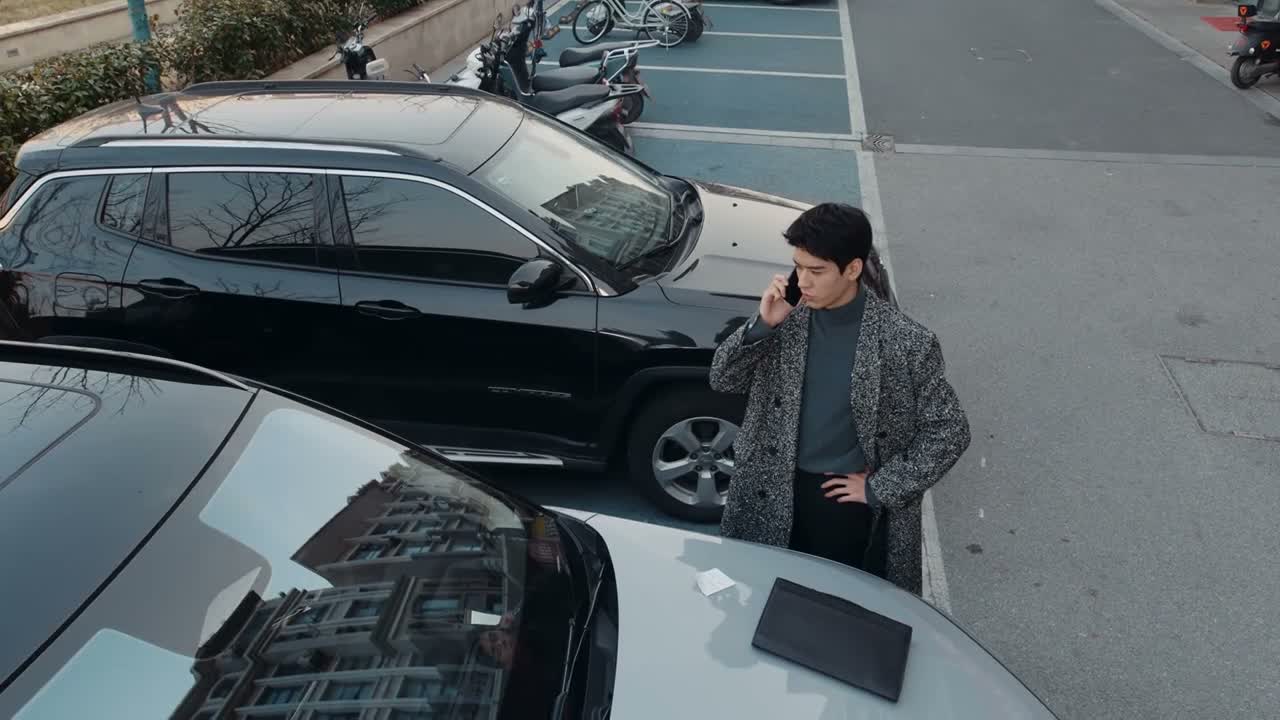
《Vanished Name》 S1·E26 (30:08) · Authentic Cinema Dialogue Corpus