MC
MandarinClips Cinema Corpus
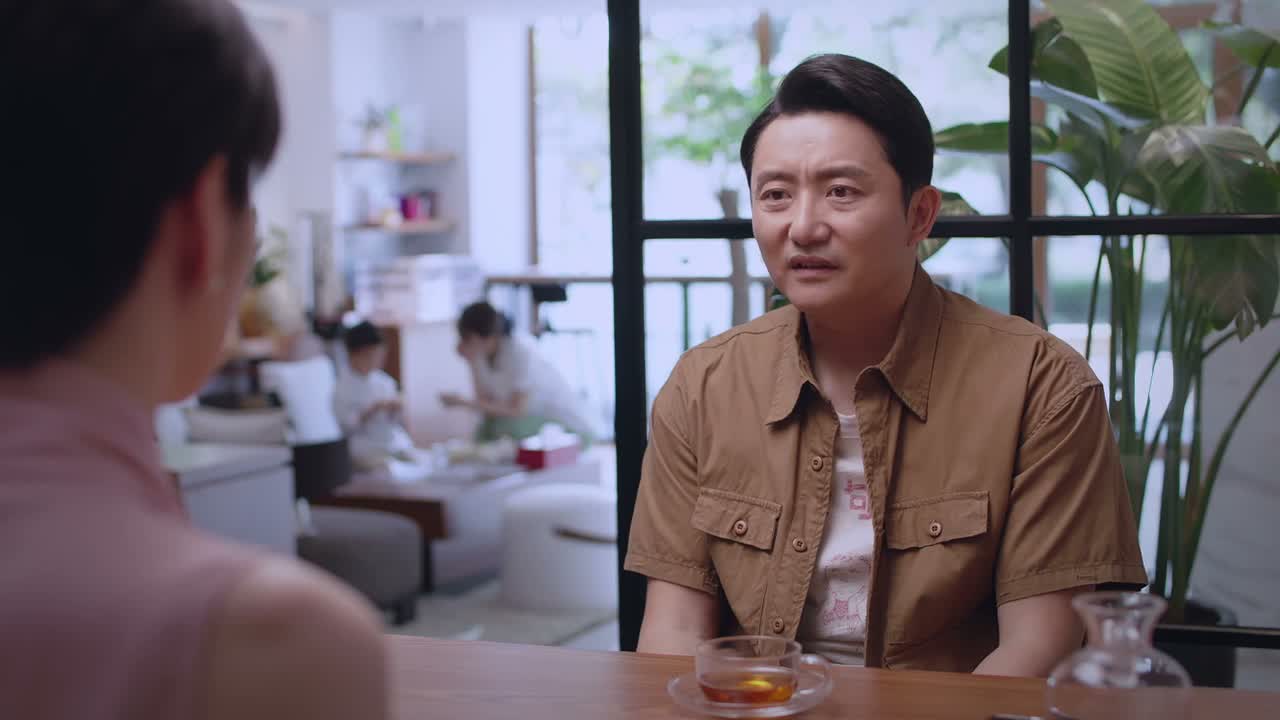
《The First Jasmine》 S1·E15 (21:41) HSK 6
nǐ dāng chū wèi shén me yào jià gěi ā yé ya

你当初为什么要嫁给阿爷呀

“Mom, why did you marry Father back then?”

《The First Jasmine》 S1·E15
TIMECODE: 21:41 · 1080P MASTER AUDIO

THE DIALOGUE REEL

1+1+1 SPOKEN CONTINUITY
[-1] PREVIOUS TURN ā niáng

阿娘

“Mom, why did you marry Father back then?”

nǐ dāng chū wèi shén me yào jià gěi ā yé ya CURRENT FOCUS

你当初 为什么要嫁给 阿爷呀

“Mom, why did you marry Father back then?”

[+1] FOLLOW-UP TURN yīn wèi wǒ xǐ huān nǐ ā yé a

因为我喜欢你阿爷啊

“Because I love your father.”

Subtitles synced to millisecond timecode Browse Show Clips →
Scene: Family & Home
Function: INQUIRING ABOUT PAST
Tone: INNOCENT AND GENTLE
Emotion: CURIOSITY
WHAT THEY REALLY MEAN (PRAGMATIC SUBTEXT)

Direct spoken expression in this communicative setting.

💡 Cultural Insight: Kinship Terms (A'ye / A'niang)

Terms like '阿娘' (mother) and '阿爷' (father) reflect regional or historical colloquial conventions used in familial intimacy across different dynasties and dialects.

INTENT TAGS: #curiosity #casual_inquiry #affection #family_bonding
🧩

LEARNING CHUNKS & PARTICLES

2 CHUNKS · 1 PARTICLES
当初 SPOKEN CHUNK

at that time; originally; in the beginning

Used to introduce questions or reflections about decisions made long ago.

嫁给 SPOKEN CHUNK

marry (a man)

Specifically refers to a woman marrying a man; contrast with '娶' (qu) which refers to a man marrying a woman.

Modal Particle「呀」 (ya) CHANGE OF STATE

Softens the question, adding an affectionate, casual, and curious tone.
🏮

VOCABULARY & EXPRESSIONS

1 EXPR · 0 GRAMMAR
CROSS-CINEMA CORPUS BOARD · PARALLEL SCENES

Parallel Spoken Cinema Scenes (语义近邻切片)

EXPLORE BY SEMANTIC SIMILARITY
《The First Jasmine》 S1·E15 (21:41) · Authentic Cinema Dialogue Corpus