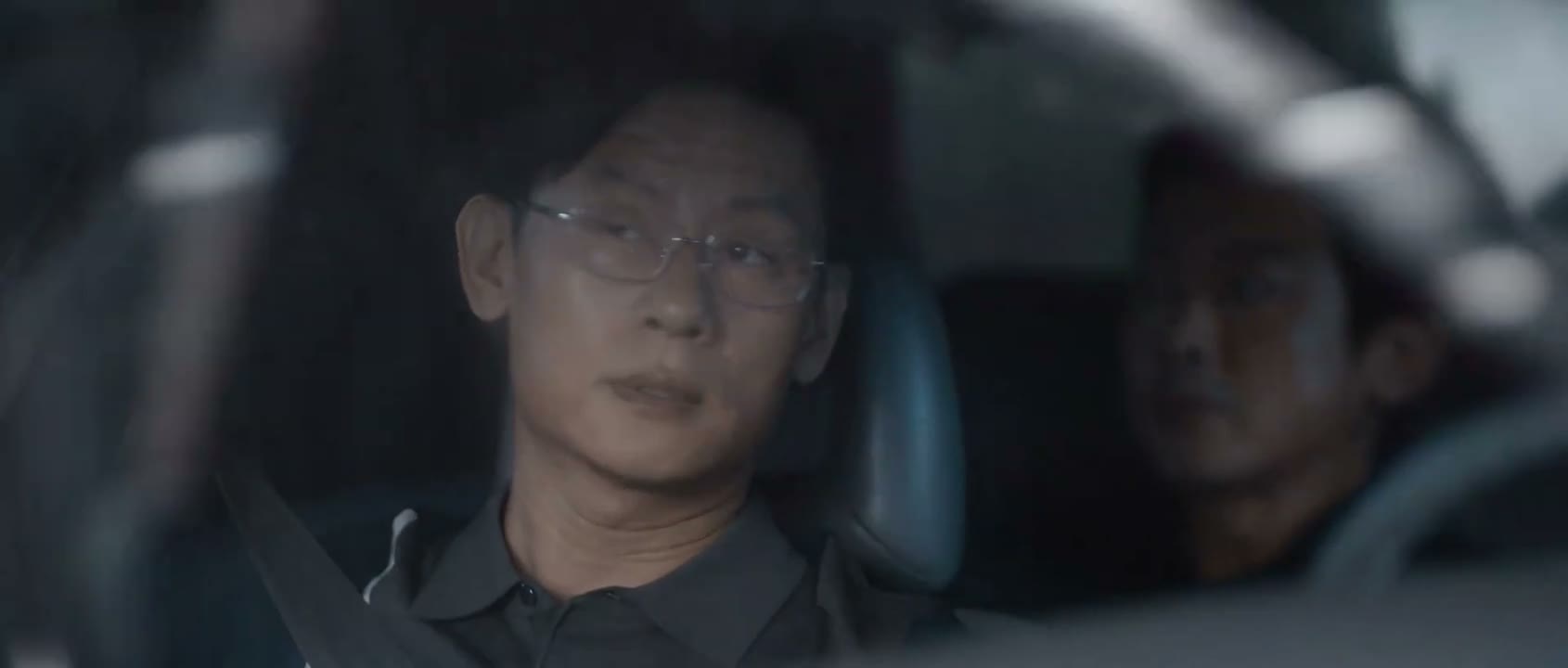
《The First Jasmine》 S1·E15 (20:55)
HSK 1
zěn me biàn tiān le
怎么变天了
“The weather has changed.”
《The First Jasmine》
S1·E15
TIMECODE: 20:55
·
1080P MASTER AUDIO
THE DIALOGUE REEL
[-1] PREVIOUS TURN
nà wǒ jiù gào cí le
那我就告辞了
zěn me biàn tiān le
CURRENT FOCUS
怎么 变天 了
“The weather has changed.”
[+1] FOLLOW-UP TURN
diàn xià
殿下
“Your Highness, we've checked several streets around.”
Subtitles synced to millisecond timecode
Browse Show Clips →
Scene:
Historical & Court
Function:
EXPRESSING SURPRISE
Tone:
OBSERVANT
Emotion:
SURPRISE
WHAT THEY REALLY MEAN (PRAGMATIC SUBTEXT)
“Wait, a storm is coming—perhaps you shouldn't leave just yet, or something bad is about to happen.”
💡 Cultural Insight: Pathetic Fallacy and Metaphor of 'Changing Skies'
In Chinese culture and cinema, commenting on a sudden change in weather ('changing skies') frequently doubles as a metaphor for political upheaval, a superior's sudden anger, or impending danger.
INTENT TAGS:
#observation
#changing_situation
#surprise
#foreshadowing
🧩
1 CHUNKS · 1 PARTICLES
LEARNING CHUNKS & PARTICLES
变天
SPOKEN CHUNK
the weather changes (usually for the worse); a shift in power or mood
Can be used literally when it suddenly gets cloudy/rainy, or metaphorically when a boss's mood sours or political leadership changes.
Modal Particle「了」 (le)
CHANGE OF STATE
Indicates a change of state, emphasizing that the weather has newly shifted compared to moments ago.
🏮
2 EXPR · 0 GRAMMAR
VOCABULARY & EXPRESSIONS
COLLOQUIAL EXPRESSIONS:
CROSS-CINEMA CORPUS BOARD · PARALLEL SCENES
EXPLORE BY SEMANTIC SIMILARITY
Parallel Spoken Cinema Scenes (语义近邻切片)
《The First Jasmine》 S1·E15 (20:55) · Authentic Cinema Dialogue Corpus