你这 你自己都说了卡里有三十万嘛
“You... Didn't you say you had 300,000 in your card?”
THE DIALOGUE REEL
人家报警抓你的
“If you stay in a hotel without paying, they'll call the police.”
你这 你自己 都说了 卡里有三十万 嘛
“You... Didn't you say you had 300,000 in your card?”
何先生 押金两千块
“Mr. He, the deposit is two thousand.”
“Don't blame me for using the card when you're the one who bragged about having all that money in it!”
Citing someone's prior boasts or promises with '嘛' is a classic conversational tactic to shift blame back onto the accuser.
LEARNING CHUNKS & PARTICLES
you said it yourself
Used to hold someone accountable to their own words when they try to backtrack or blame you.
Indicates that the statement is an obvious reason or justification that the listener should already know and accept.
VOCABULARY & EXPRESSIONS
Parallel Spoken Cinema Scenes (语义近邻切片)

“There was no such thing as a million in that account.”
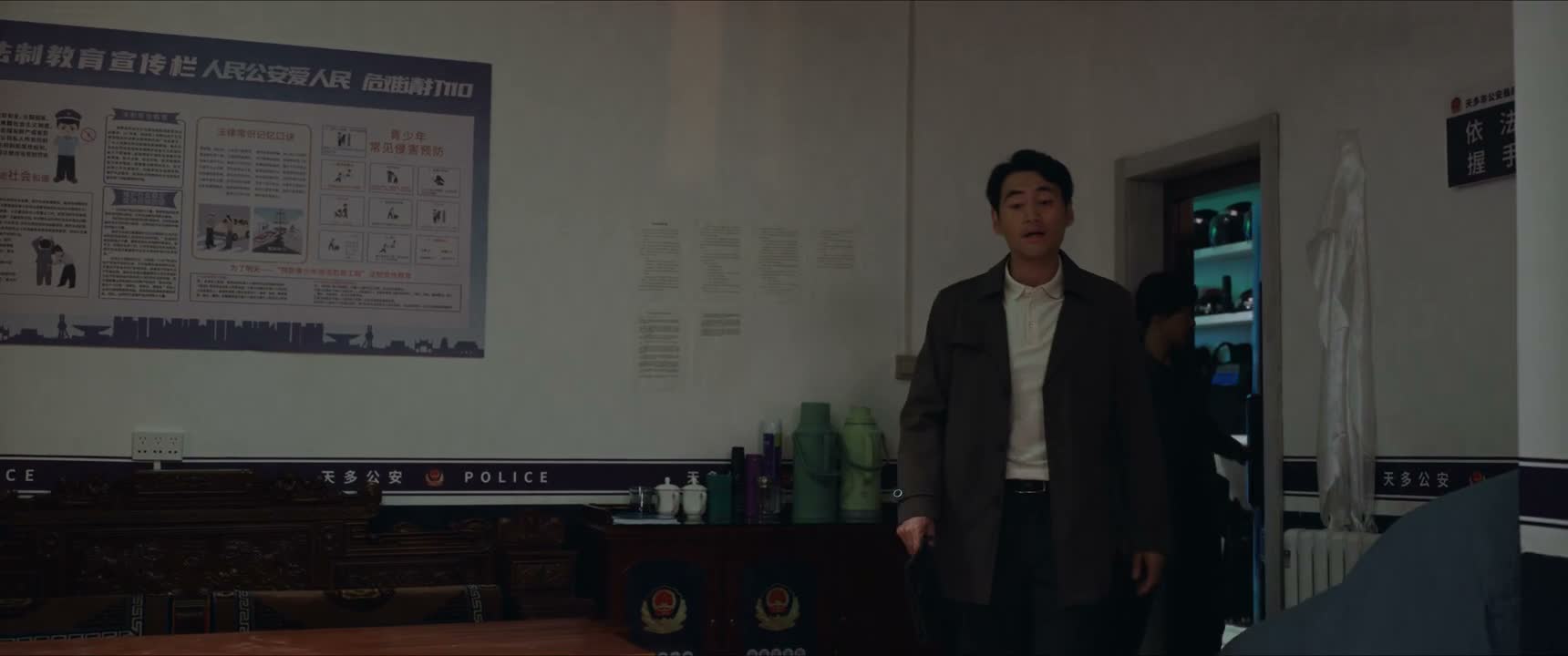
“For the money in your account. I don't believe it.”

“I have money in my card. Take it and spend this. Take it.”

“You think one million yuan is too little, right?”

“I'm deep in credit card debt.”

“If they aren't willing to pay even this 1,000 yuan, how can we expect them to fork out”