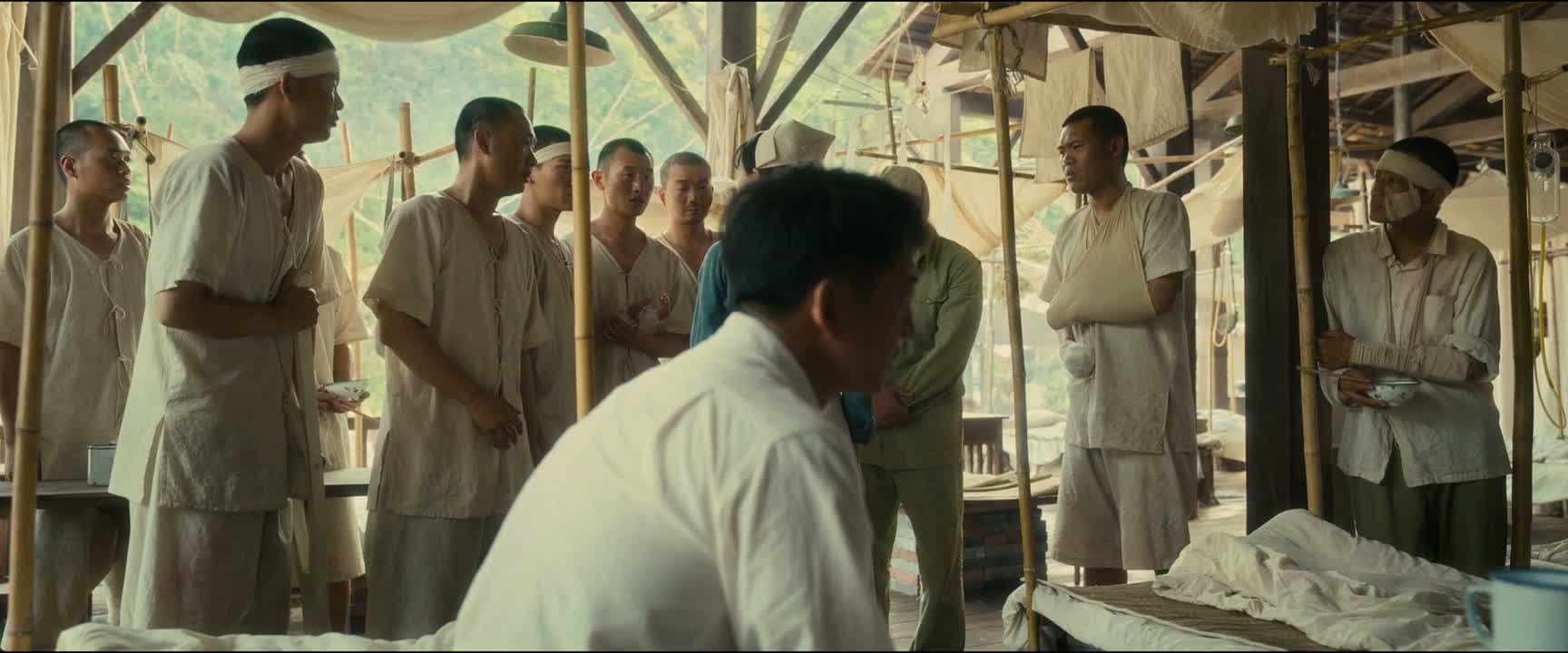
既不给钱也不给肉的 给了两袋子盐 后来咱医院
“He didn't pay with money or meat, but gave 2 bags of salt. After that, our hospital”
THE DIALOGUE REEL
有个同学他爸来看病
“a classmate's dad came for treatment.”
既不给钱也不给肉的 给了两袋子盐 后来咱医院
“He didn't pay with money or meat, but gave 2 bags of salt. After that, our hospital”
一年都没买过盐
“didn't buy salt for a year.”
Direct spoken expression in this communicative setting.
In underdeveloped or remote pastoral regions of China in the past, cash was scarce, so patients often paid for medical services or expressed gratitude using local commodities like meat or salt.
LEARNING CHUNKS & PARTICLES
neither... nor...
A versatile correlative conjunction used to negate two parallel actions or qualities simultaneously.
our hospital
Using the inclusive pronoun before a workplace name creates a warm, colloquial sense of belonging among coworkers, especially in northern Chinese.
Used at the end of a descriptive clause in colloquial storytelling to add rhythm and emphasize the situation.
VOCABULARY & EXPRESSIONS
Parallel Spoken Cinema Scenes (语义近邻切片)

“If you don't bring salt and meat,”

“The meals served in the hospital are not nutritious. So, I want to send him something good to eat.”

“Take this meat with you. Consider it your back pay.”

“so I kidnapped her and starved her.”

“bring salt and meat!”
“not from the hospital. Dr. Na has eggs. Let's go find Dr. Luo.”