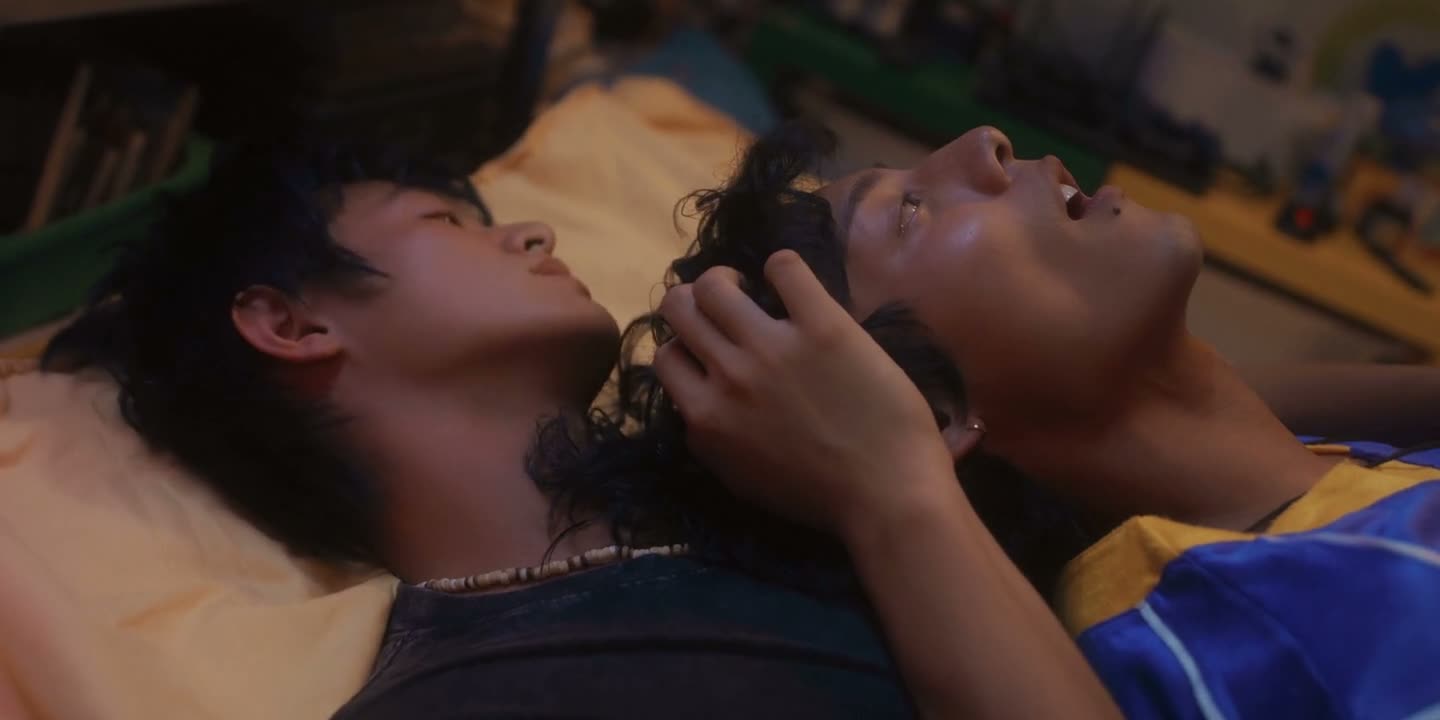
你不是最恨我的吗
“Don't you hate me the most?”
THE DIALOGUE REEL
你为什么不趁这个机会 将我彻底踩死
“Why don't you take this opportunity to crush me completely?”
你 不是最恨我的吗
“Don't you hate me the most?”
是
“You're right.”
“You despise me, so why are you showing mercy instead of ruining me right now?”
In Chinese storytelling and relationship dynamics, deeply held grievances (仇) make unexpected acts of restraint or mercy perplexing and suspect.
LEARNING CHUNKS & PARTICLES
aren't you the one who...?
Rhetorical question frame used to point out an apparent contradiction in someone's behavior.
hate me the most
Expresses the superlative degree of intense personal grudge or hostility.
Marks a rhetorical question that carries strong challenge and disbelief.
VOCABULARY & EXPRESSIONS
Parallel Spoken Cinema Scenes (语义近邻切片)

“You're the one who hates her most.”

“You know I hate her the most.”

“Do you know how much I've held this grudge?”

“You should”
“Don't you like me?”

“I know you hate me.”