MC
MandarinClips Cinema Corpus
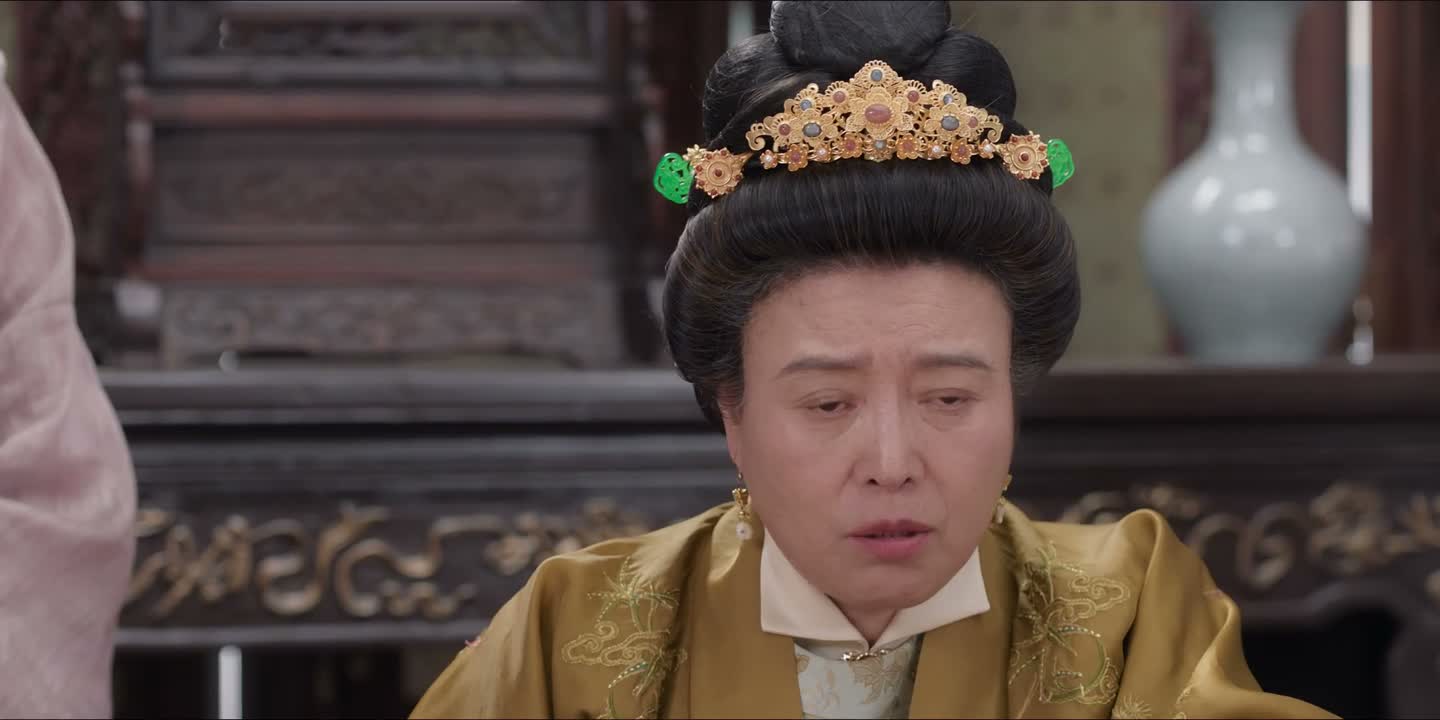
《The Heir》 S1·E28 (03:21) HSK 3
wǒ zěn me jiù yī jiǎo mài jìn qù le ne

我怎么就一脚迈进去了呢

“how did I just walk in like that?”

《The Heir》 S1·E28
TIMECODE: 03:21 · 1080P MASTER AUDIO

THE DIALOGUE REEL

1+1+1 SPOKEN CONTINUITY
[-1] PREVIOUS TURN zhàn zài yuàn zi lǐ de shí hòu wǒ cái yì shí dào

“Only when I was standing in the courtyard did I realize—”

wǒ zěn me jiù yī jiǎo mài jìn qù le ne CURRENT FOCUS

我 怎么就 一脚迈进去 了呢

“how did I just walk in like that?”

[+1] FOLLOW-UP TURN qí shí yě méi shén me dà bù liǎo de

“But really, it wasn't such a big deal after all.”

Subtitles synced to millisecond timecode Browse Show Clips →
Scene: Daily Life
Function: EXPRESSING REGRET
Tone: SELF-REPROACHFUL
Emotion: REGRET
WHAT THEY REALLY MEAN (PRAGMATIC SUBTEXT)
“I really should not have walked into that situation so impulsively.”
💡 Cultural Insight: Crossing the Threshold (Courtyard Boundaries)

In traditional Chinese courtyard architecture, stepping into a courtyard signifies crossing into private territory or committing to an involvement.

INTENT TAGS: #self_reproach #regret #rhetorical_question #hindsight
🧩

LEARNING CHUNKS & PARTICLES

2 CHUNKS · 1 PARTICLES
怎么就 SPOKEN CHUNK

how could it be that; how did (one) end up

Used in rhetorical questions to express surprise, confusion, or regret about an unexpected outcome.

一脚迈进去 SPOKEN CHUNK

to step right in; to plunge into a situation

Can be used literally for walking through a doorway or figuratively for getting involved in a tricky matter.

Modal Particle「呢」 (ne) CHANGE OF STATE

Intensifies the rhetorical question, adding a tone of bewilderment and self-reflection.
🏮

VOCABULARY & EXPRESSIONS

2 EXPR · 0 GRAMMAR
CROSS-CINEMA CORPUS BOARD · PARALLEL SCENES

Parallel Spoken Cinema Scenes (语义近邻切片)

EXPLORE BY SEMANTIC SIMILARITY
《The Heir》 S1·E28 (03:21) · Authentic Cinema Dialogue Corpus