咋了 吃上水了把打井人都忘了
“What? Has he forgotten his benefactor?”
THE DIALOGUE REEL
那行署中学当年建的时候 是经我爸的手批的钱
“Back when the school was built, it was approved by my dad.”
咋了 吃上水了把打井人都忘了
“What? Has he forgotten his benefactor?”
“Alright, sis, drop it. Shut up.”
“You owe everything you have to my family, so do not dare act ungrateful now.”
Chinese ethics heavily stresses gratitude toward benefactors (en); failing to acknowledge past favors is seen as a severe moral defect.
LEARNING CHUNKS & PARTICLES
forgetting the well-diggers once you get to drink the water; showing ingratitude to benefactors
A colloquial adaptation of the idiom 'never forget who dug the well', used sarcastically to call someone ungrateful.
Marks the rhetorical shift from past need to present self-satisfaction.
VOCABULARY & EXPRESSIONS
Parallel Spoken Cinema Scenes (语义近邻切片)

“The water issue is still pending. Still? It's been so long.”

“What's happening? It's flooded?”

“I haven't had so much fun for a long time. Look at that splash.”
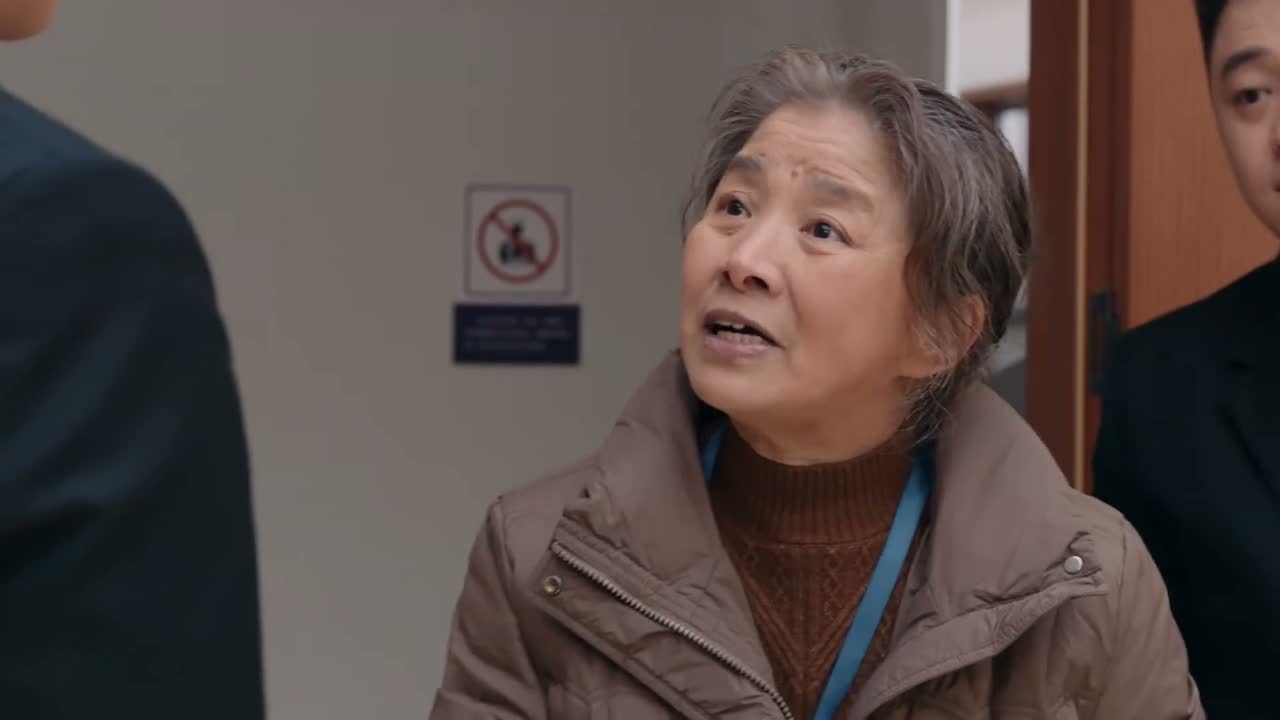
“I was on an IV at the hospital last night.”

“I came because I just used the water upstairs.”
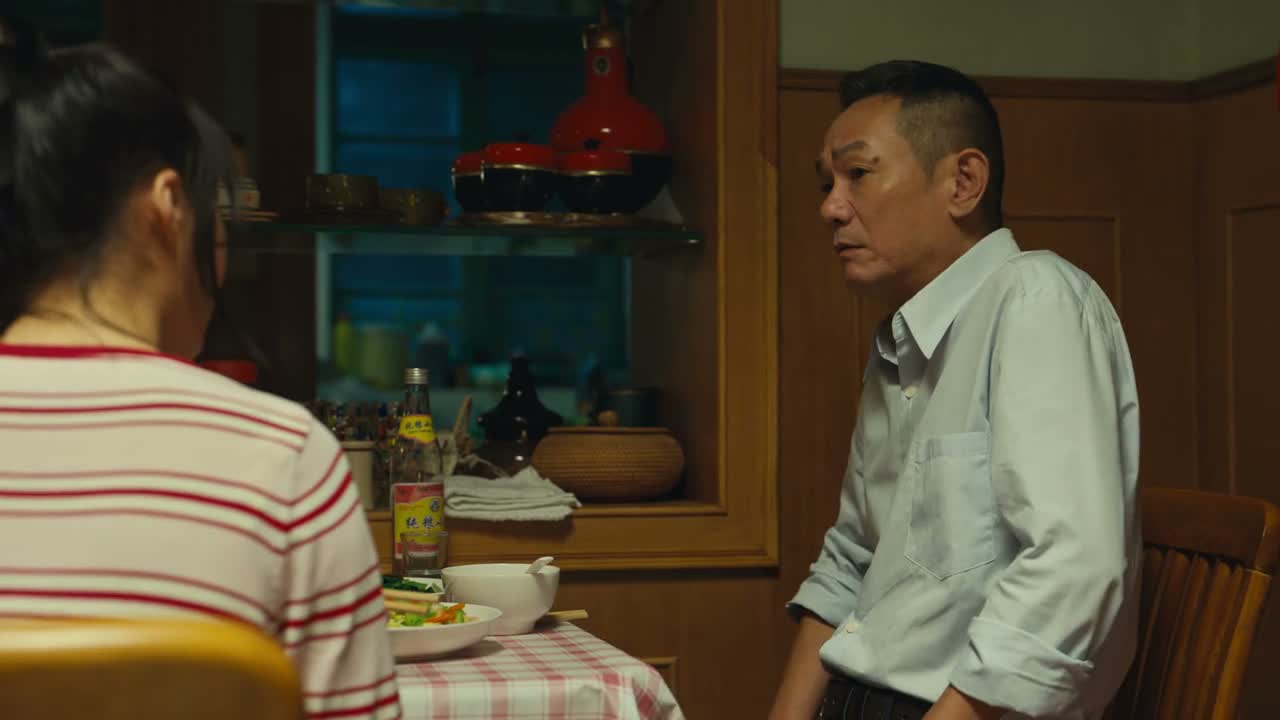
“What's wrong with the soup? It tastes fine to me.”