你现在做什么呢 上班吗
“What are you doing now? Working?”
THE DIALOGUE REEL
我知道你累了 睡吧
“I know you're tired. Get some rest.”
你现在 做什么呢 上班吗
“What are you doing now? Working?”
我开了一家花店
“I opened a flower shop.”
Direct spoken expression in this communicative setting.
Asking 'Are you working a regular job?' is standard Chinese small talk used to establish someone's life trajectory, contrasting standard employment with self-employment.
LEARNING CHUNKS & PARTICLES
what are you doing / what do you do for work
A standard casual inquiry about someone's current occupation or ongoing activity.
to go to work / to work a standard corporate job
Specifically refers to working as an employee at an office or workplace, contrasted with running a business or freelancing.
Marks an open, friendly inquiry about an ongoing state.
Turns the second clause into a standard yes-or-no question.
VOCABULARY & EXPRESSIONS
Parallel Spoken Cinema Scenes (语义近邻切片)
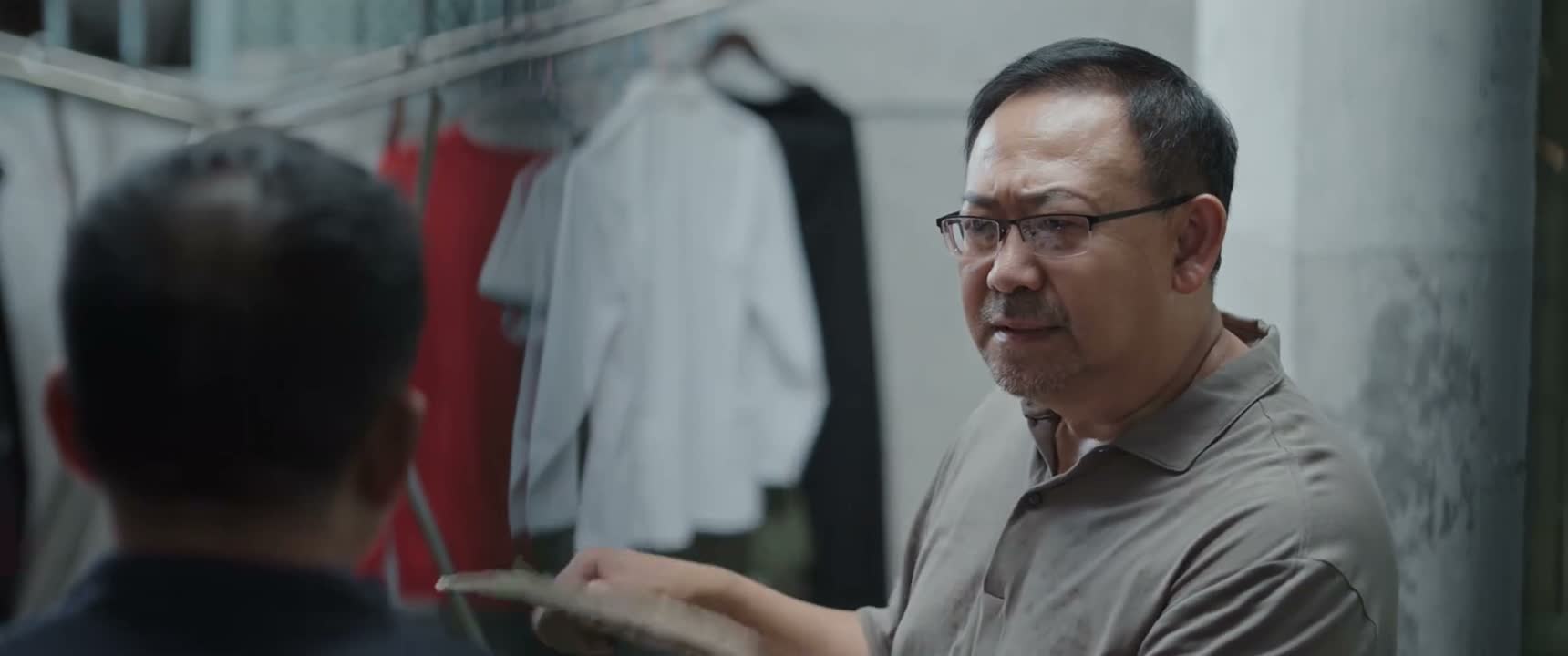
“What is this Ding Yu doing now?”

“How are people supposed to work and focus? How's anyone supposed to hit their targets today?”
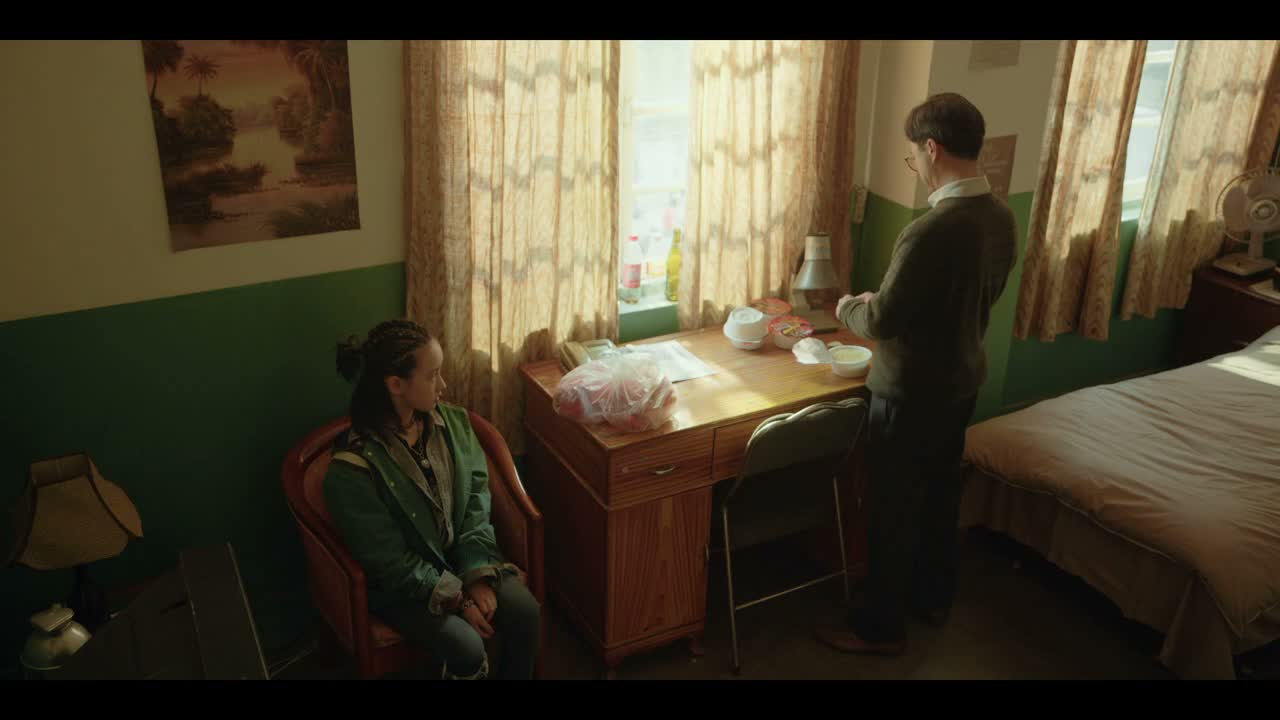
“What do you do for a living?”