MC
MandarinClips Cinema Corpus
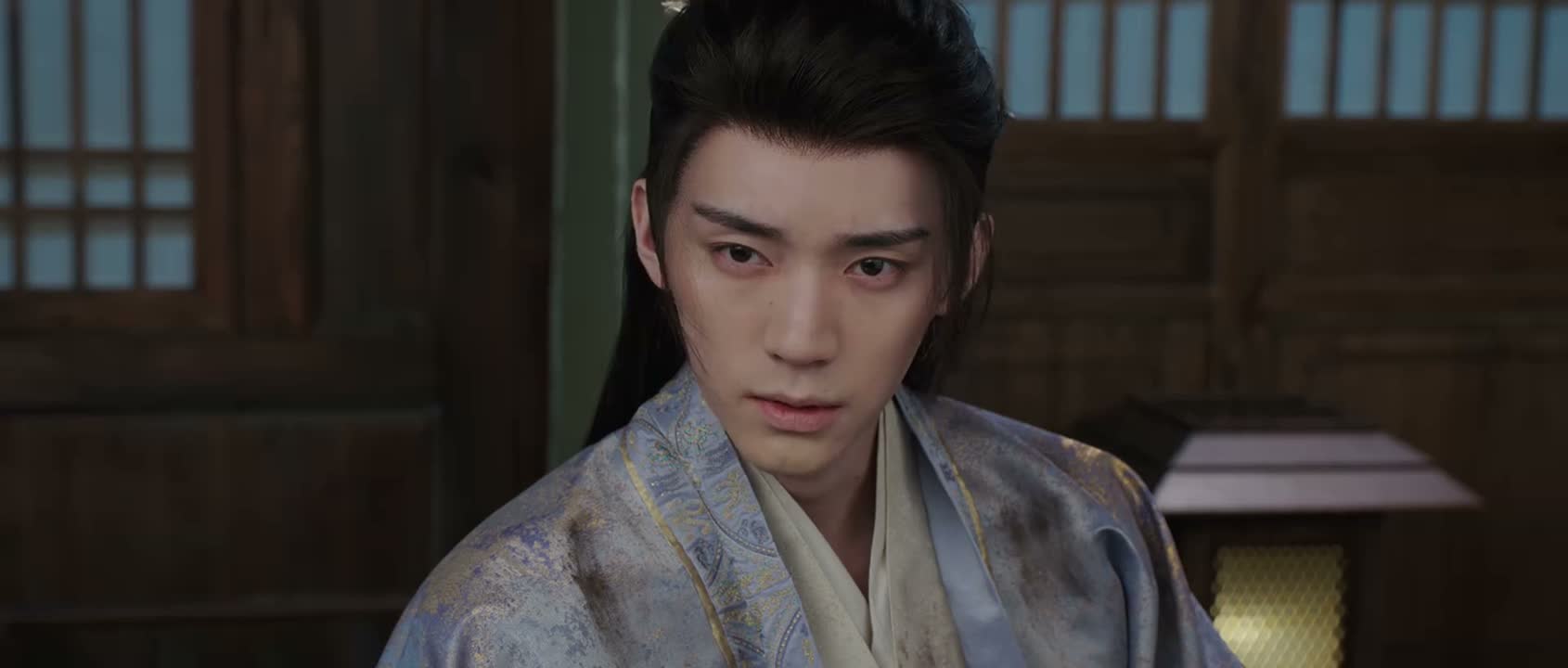
《Generation to Generation》 S1·E34 (25:45) HSK 6
shī fù bú huì biàn chéng dì èr gè niè héng chéng

师父不会变成第二个聂恒城

“I won't become the second Nie Hengcheng.”

《Generation to Generation》 S1·E34
TIMECODE: 25:45 · 1080P MASTER AUDIO

THE DIALOGUE REEL

1+1+1 SPOKEN CONTINUITY
[-1] PREVIOUS TURN kàn dào nǐ biàn chéng dì èr gè niè héng chéng

“become the second Nie Hengcheng.”

shī fù bú huì biàn chéng dì èr gè niè héng chéng CURRENT FOCUS

师父不会变成第二个聂恒城

“I won't become the second Nie Hengcheng.”

[+1] FOLLOW-UP TURN niè héng chéng bù zhī dào

聂恒城不知道

“Nie Hengcheng didn't know”

Subtitles synced to millisecond timecode Browse Show Clips →
Scene: Crisis & Conflict
Function: MAKING REASSURANCE
Tone: REASSURING
Emotion: DETERMINATION
WHAT THEY REALLY MEAN (PRAGMATIC SUBTEXT)
“Trust me, I know what I am doing and I will not fall into ruin like he did.”
💡 Cultural Insight: Self-Reference by Role Title

In Chinese, superiors or elders (such as parents, teachers, or masters) frequently refer to themselves by their title rather than 'I' to emphasize their protective role and affectionate authority.

INTENT TAGS: #reassurance #self_assertion #promising #denying_comparison
🧩

LEARNING CHUNKS & PARTICLES

3 CHUNKS · 0 PARTICLES
师父 SPOKEN CHUNK

master; teacher

Here the speaker uses their own title to refer to themselves when speaking to a disciple, projecting authority and warmth.

不会变成 SPOKEN CHUNK

will not turn into; will not become

Standard phrase used to make a firm promise or prediction that a negative transformation will not happen.

第二个 SPOKEN CHUNK

the second; another (used metaphorically)

Placed before a proper noun (person or place) to mean 'another version of X', exactly like 'the next [Name]' in English.

🏮

VOCABULARY & EXPRESSIONS

2 EXPR · 5 GRAMMAR
CROSS-CINEMA CORPUS BOARD · PARALLEL SCENES

Parallel Spoken Cinema Scenes (语义近邻切片)

EXPLORE BY SEMANTIC SIMILARITY
《Generation to Generation》 S1·E34 (25:45) · Authentic Cinema Dialogue Corpus