她平时都吃什么药啊
“What medicine does she usually take?”
THE DIALOGUE REEL
中毒
“Poisoning?”
她平时都 吃什么药 啊
“What medicine does she usually take?”
Direct spoken expression in this communicative setting.
Chinese conceptualizes taking medicine through the verb '吃' (to eat), reflecting the traditional view that food and herbal medicine share identical ingestive roots (药食同源).
LEARNING CHUNKS & PARTICLES
usually / normally always
Used to inquire about routine, baseline habits or habitual actions.
what medication one takes
The standard Chinese collocation for taking medication using the verb '吃' (to eat).
Softens the interrogative tone, making the medical or routine inquiry sound conversational rather than confrontational.
VOCABULARY & EXPRESSIONS
Parallel Spoken Cinema Scenes (语义近邻切片)

“it's not even enough for her medication.”
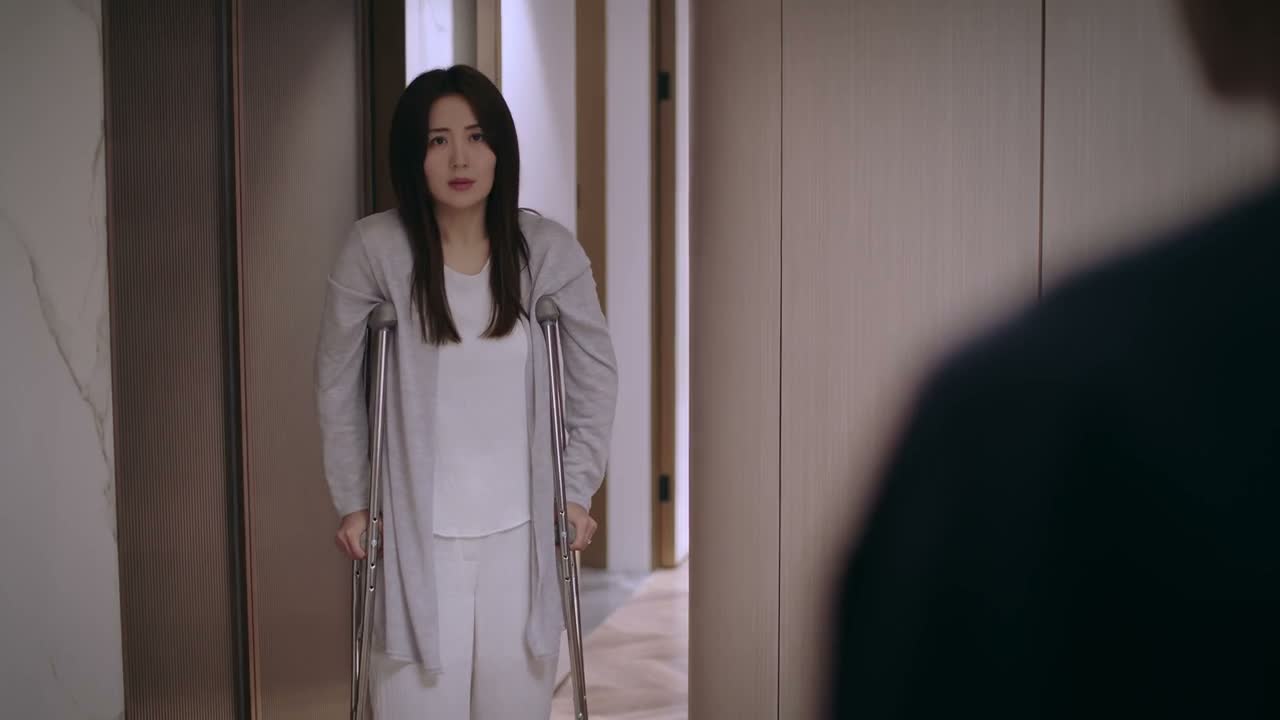
“What medicine were you taking?”
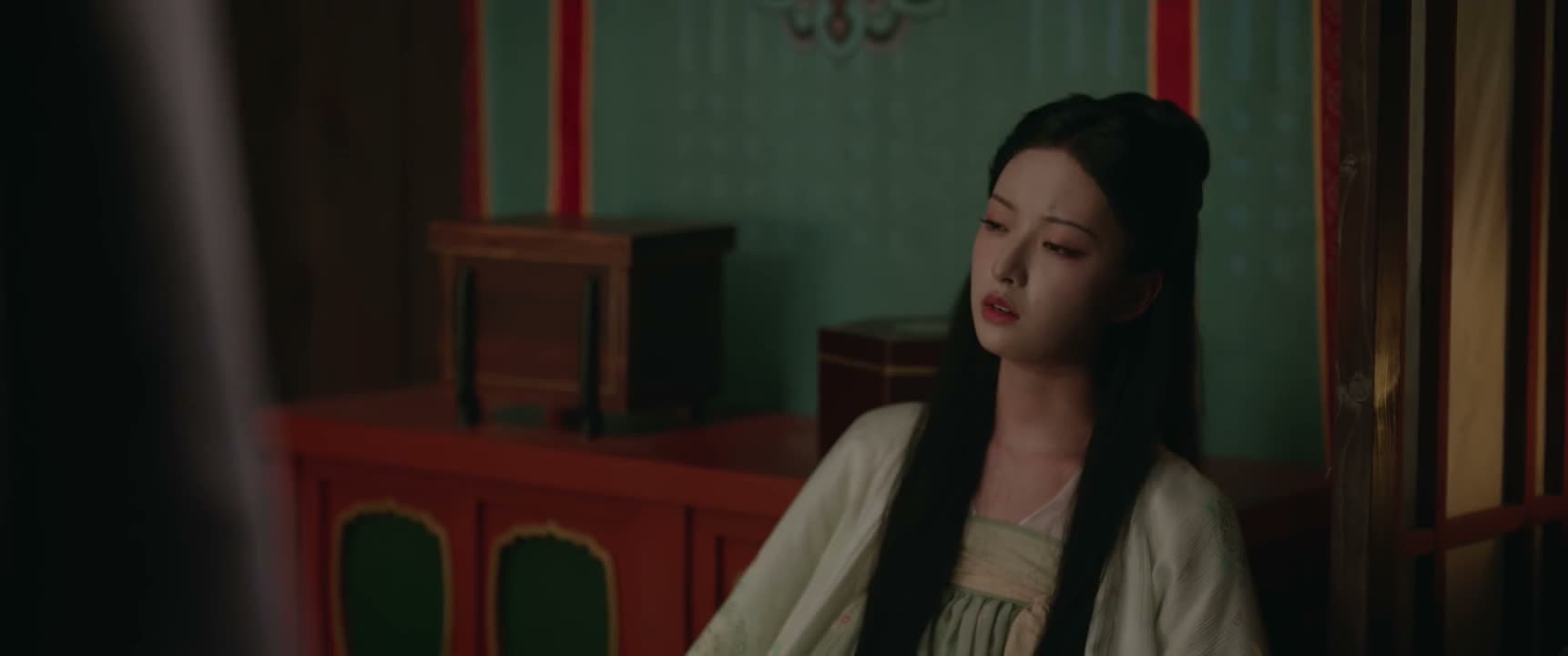
“Why should I still take medicine?”

“so she just needed to take some pills. Diagnosing her illness herself?”

“What's with you? Thanking me twice today.”

“Then where did these pills you gave her come from?”