《Love Has Fireworks》 S1·E26 (15:48)
HSK 7
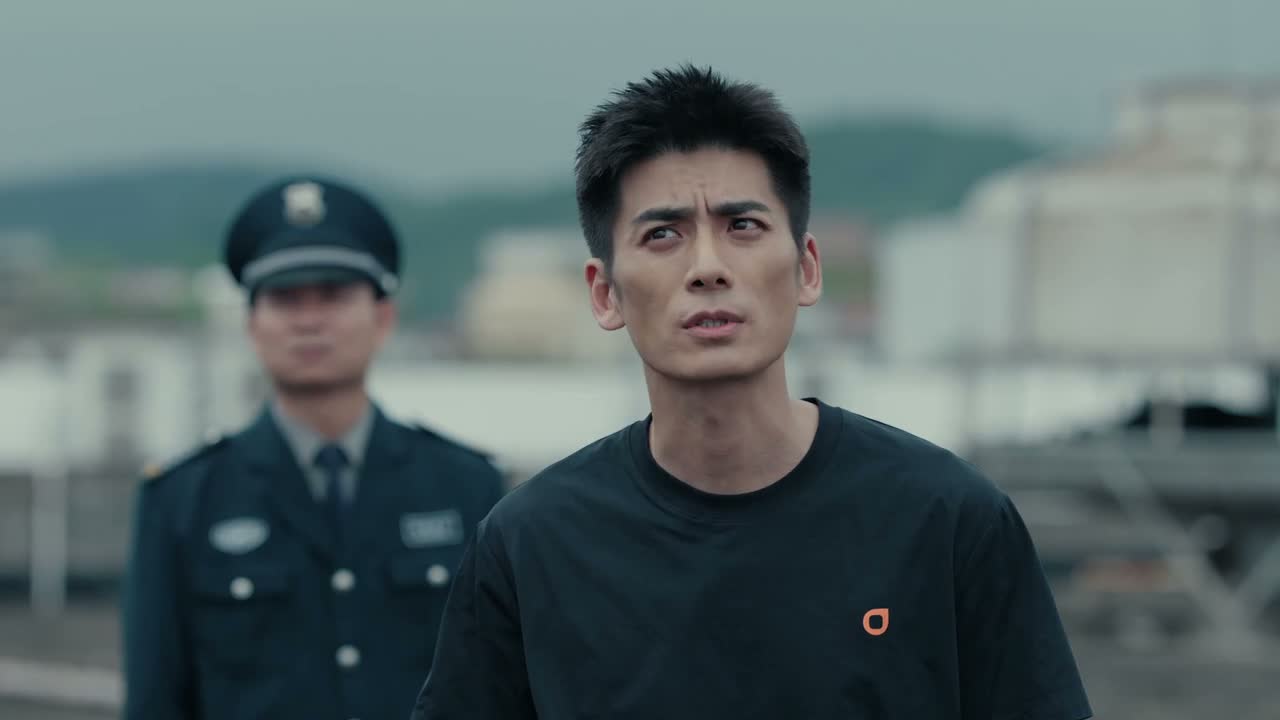
wǒ zěn me qī fù nǐ le
我怎么欺负你了
“How did I bully you?”
《Love Has Fireworks》
S1·E26
TIMECODE: 15:48
·
1080P MASTER AUDIO
THE DIALOGUE REEL
[-1] PREVIOUS TURN
nǐ yě bù néng zhè me qī fù wǒ ba
“(You can pay me back one dish at a time...) you can't treat me like this.”
wǒ zěn me qī fù nǐ le
CURRENT FOCUS
我 怎么欺负你了
“How did I bully you?”
[+1] FOLLOW-UP TURN
míng míng gěi nǐ fáng dōng mǎi jī piào nà shì shì wǒ áo zhe xīn xuè bàn dào de
“I was the one who went through all that trouble to get your landlady that ticket.”
Subtitles synced to millisecond timecode
Browse Show Clips →
Scene:
Crisis & Conflict
Function:
DEFENDING SELF
Tone:
DEFENSIVE
Emotion:
INDIGNATION
WHAT THEY REALLY MEAN (PRAGMATIC SUBTEXT)
“Don't play the victim; I haven't done anything unfair to you, so explain yourself!”
💡 Cultural Insight: Emotional Injustice (Wei Qu)
The word 'qifu' (bullying/mistreating) is often used in intimate disputes to voice feelings of being taken for granted, triggering intense defensive pushback when the accused believes they actually sacrificed a lot.
INTENT TAGS:
#defensiveness
#counter_questioning
#denial
#grievance
🧩
1 CHUNKS · 1 PARTICLES
LEARNING CHUNKS & PARTICLES
怎么欺负你了
SPOKEN CHUNK
how have I wronged/bullied you?
A rhetorical challenge used in arguments to demand proof when one feels falsely accused of unfair treatment.
Modal Particle「了」 (le)
CHANGE OF STATE
Indicates the perceived completed action of mistreatment being contested in the rhetorical question.
🏮
1 EXPR · 0 GRAMMAR
VOCABULARY & EXPRESSIONS
COLLOQUIAL EXPRESSIONS:
CROSS-CINEMA CORPUS BOARD · PARALLEL SCENES
EXPLORE BY SEMANTIC SIMILARITY
Parallel Spoken Cinema Scenes (语义近邻切片)
《Love Has Fireworks》 S1·E26 (15:48) · Authentic Cinema Dialogue Corpus