你自个儿都是泥菩萨难自保了
“You can barely save yourself.”
THE DIALOGUE REEL
先甭管大爹了
“Forget about Uncle for now.”
你 自个儿 都是 泥菩萨难自保 了
“You can barely save yourself.”
那可是日本人 是你呼之则来 挥之则去的吗
“They are the Japanese. Can you just order them around as you please?”
“Wake up! You can barely save your own skin, so stop trying to be a hero.”
Originating from the popular folk歇后语 (allegorical saying) 'A clay Buddha crossing a river cannot even save itself', this metaphor cautions against taking on burdens beyond one's capability during dangerous times.
LEARNING CHUNKS & PARTICLES
a clay Buddha; someone unable to save even themselves
A classic metaphor derived from an idiom used to warn someone against acting like a savior when they are vulnerable.
hard to protect oneself; barely able to survive
Used in high-stakes or crisis situations to describe extreme personal vulnerability.
Indicates a newly realized or confirmed state of critical vulnerability, adding urgency to the warning.
VOCABULARY & EXPRESSIONS
Parallel Spoken Cinema Scenes (语义近邻切片)

“I'm in enough trouble as it is. Why get involved in someone else's business?”
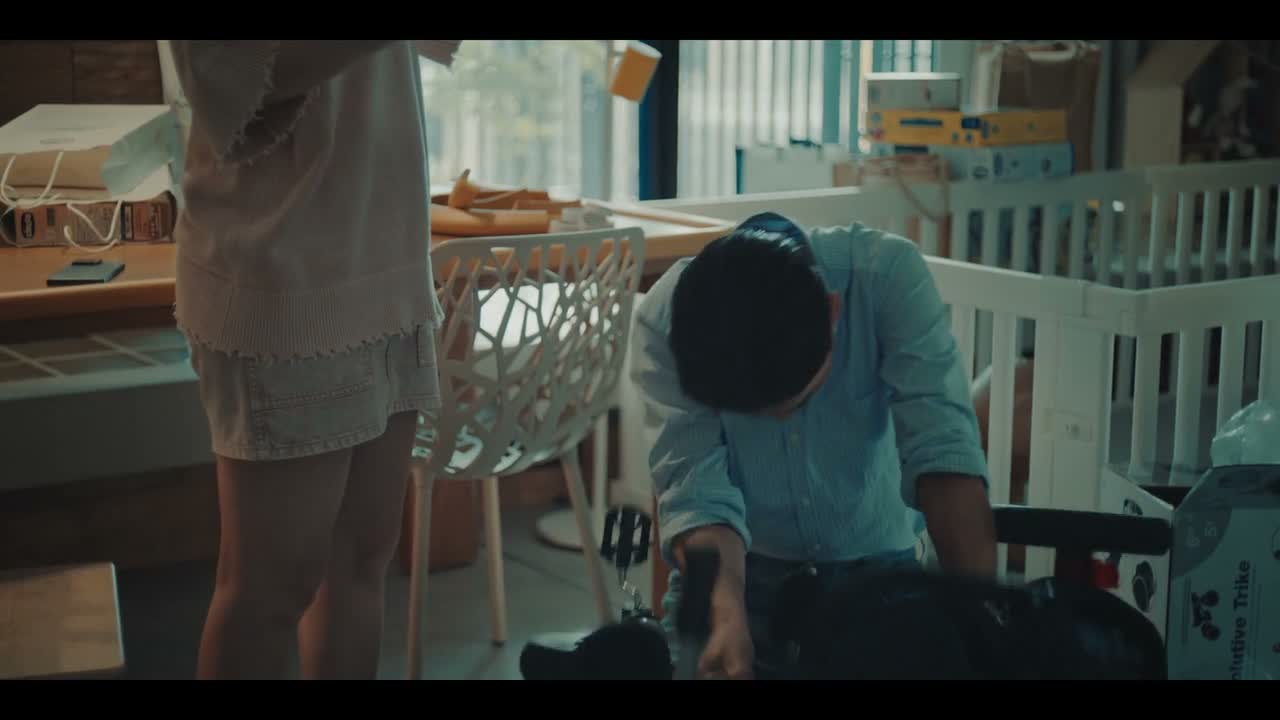
“He made his own mess. Let him deal with it.”

“I could only save myself.”
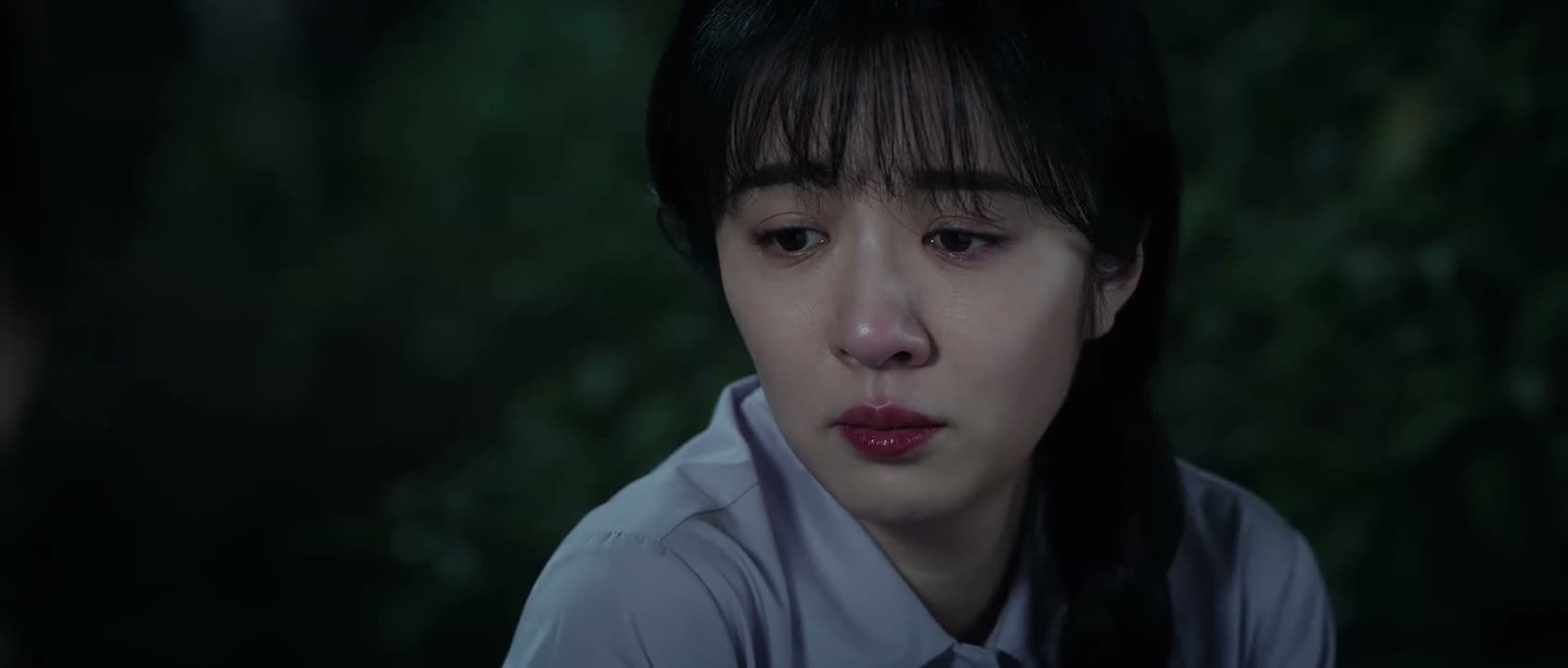
“You had enough on your plate back then.”
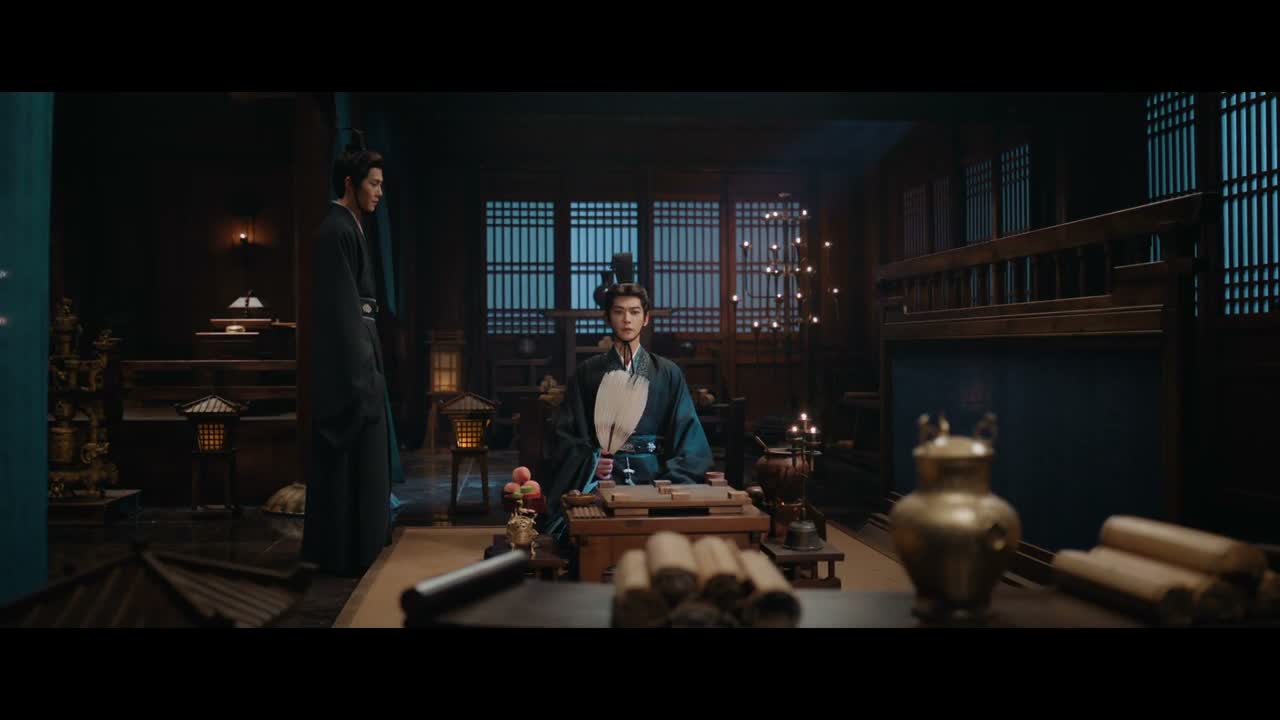
“He can barely save himself now. Although the Northern Desert was defeated, this war was like a massive earthquake.”