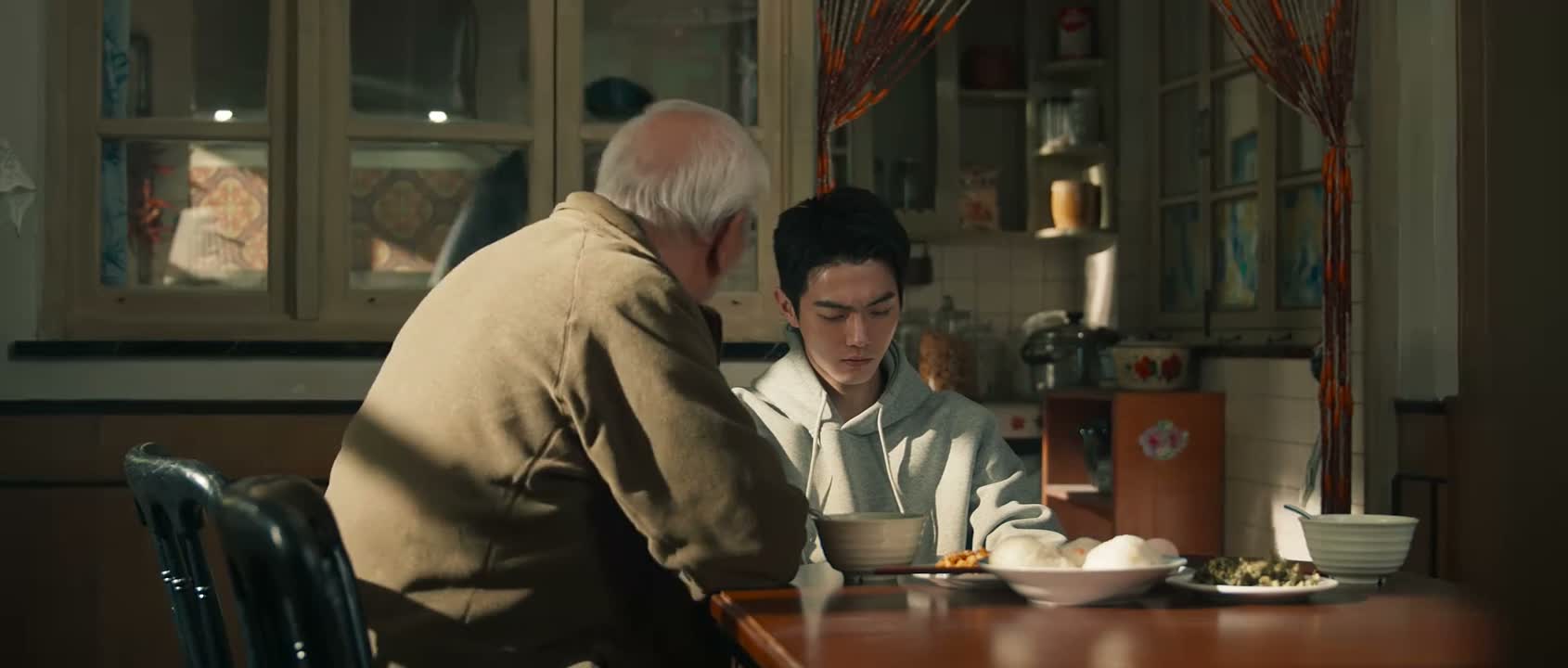
《Eight Hundred》 S1·E8 (36:53)
HSK 2
nǐ kuài diǎn hǎo qǐ lái hǎo bù hǎo
你快点好起来好不好
“Chen Hui, please get better, okay?”
《Eight Hundred》
S1·E8
TIMECODE: 36:53
·
1080P MASTER AUDIO
THE DIALOGUE REEL
[-1] PREVIOUS TURN
chén huī
陈辉
“Chen Hui, please get better, okay?”
nǐ kuài diǎn hǎo qǐ lái hǎo bù hǎo
CURRENT FOCUS
你快点 好起来 好不好
“Chen Hui, please get better, okay?”
[+1] FOLLOW-UP TURN
nǐ kuài diǎn hǎo qǐ lái hǎo bù hǎo
你快点好起来好不好
“Please get better soon, okay?”
Subtitles synced to millisecond timecode
Browse Show Clips →
Scene:
Medical & Health
Function:
PLEADING
Tone:
PLEADING AND DESPERATE
Emotion:
GRIEF
WHAT THEY REALLY MEAN (PRAGMATIC SUBTEXT)
Direct spoken expression in this communicative setting.
💡 Cultural Insight: Bedside Emotional Entreaty
In Chinese emotional expressions, repeating a heartfelt request as a tag question ('好不好') conveys deep vulnerability and affectionate dependency.
INTENT TAGS:
#pleading
#caring
#wishing_recovery
#affection
🧩
2 CHUNKS · 0 PARTICLES
LEARNING CHUNKS & PARTICLES
好起来
SPOKEN CHUNK
to get better; to recover
A common colloquial phrase used when wishing someone to recover from an illness or difficult condition.
好不好
SPOKEN CHUNK
okay? / will you?
A tag question added at the end of a sentence to seek agreement or soften a heartfelt plea.
🏮
3 EXPR · 0 GRAMMAR
VOCABULARY & EXPRESSIONS
COLLOQUIAL EXPRESSIONS:
CROSS-CINEMA CORPUS BOARD · PARALLEL SCENES
EXPLORE BY SEMANTIC SIMILARITY
Parallel Spoken Cinema Scenes (语义近邻切片)


《Eight Hundred》 S1·E8 (36:53) · Authentic Cinema Dialogue Corpus