她是哪种人啊 干啥呢嘛 打啥人呢嘛
“Then what kind of person is she? What are you doing? Why hit me?”
THE DIALOGUE REEL
“I don't think she's like that, okay?”
她是哪种人啊 干啥呢嘛 打啥人呢嘛
“Then what kind of person is she? What are you doing? Why hit me?”
是谁说把鼓给她敲烂梆的 结果呢 越敲越带劲
“Who said to pound the drum to pieces? And then? You got more into it.”
“Don't defend her; she hit someone, so she clearly isn't innocent.”
In Chinese moral discourse, public misconduct like physical aggression immediately invalidates claims of being a 'good person' (不是那种人).
LEARNING CHUNKS & PARTICLES
what kind of person
Used in rhetorical questions to express disbelief, skepticism, or moral judgment about someone's character.
Adds emotional intensity and disbelief to the rhetorical question.
Signals agitation and impatience while pressing the listener to acknowledge an obvious contradiction.
VOCABULARY & EXPRESSIONS
Parallel Spoken Cinema Scenes (语义近邻切片)
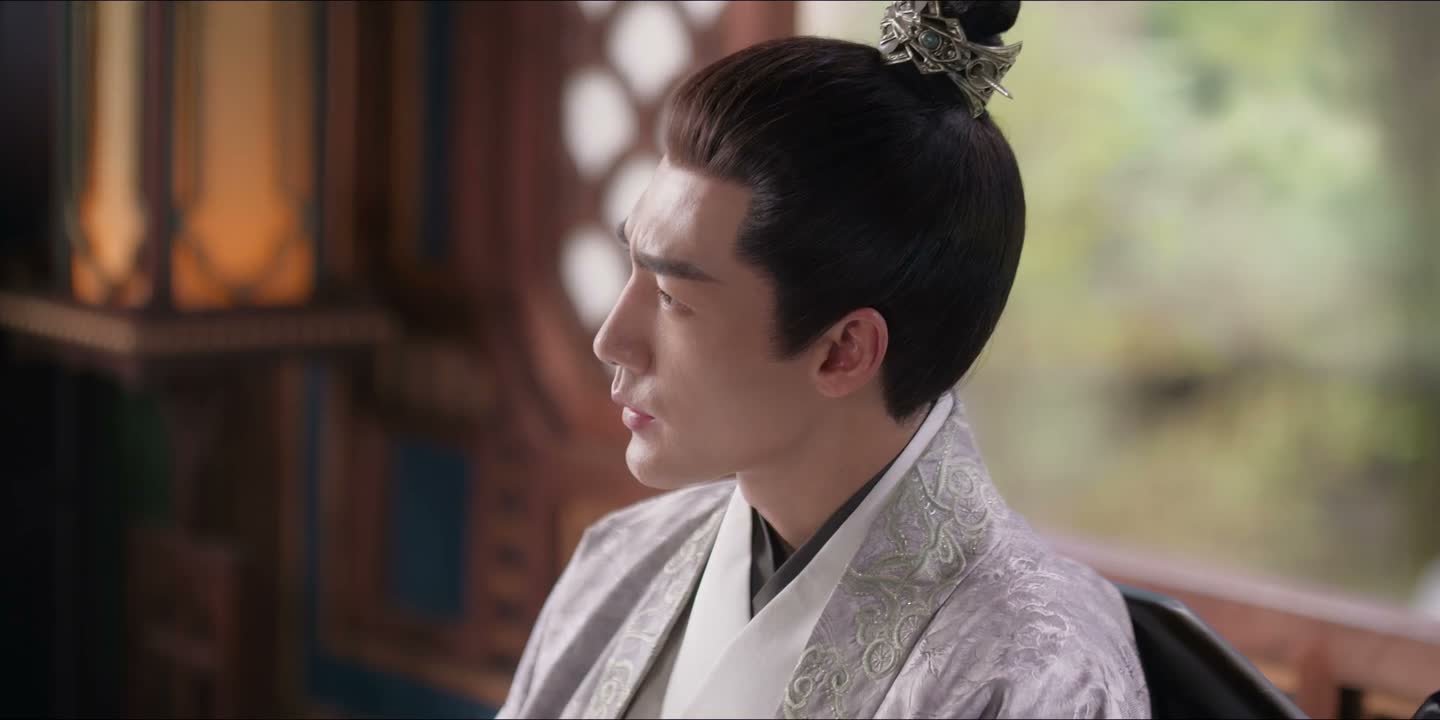
“What kind of person is she exactly?”
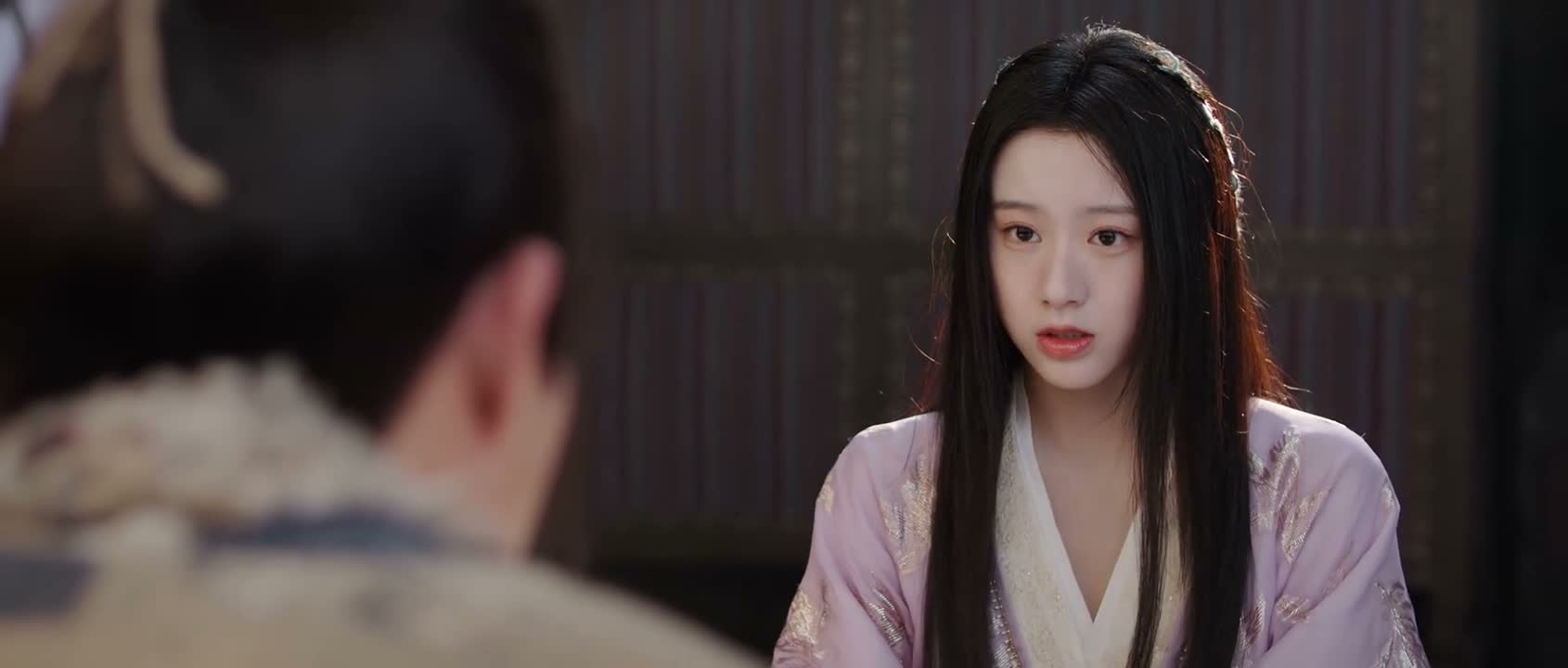
“was Mu Zhengyang?”

“What is he here for? Who is he?”