MC
MandarinClips Cinema Corpus
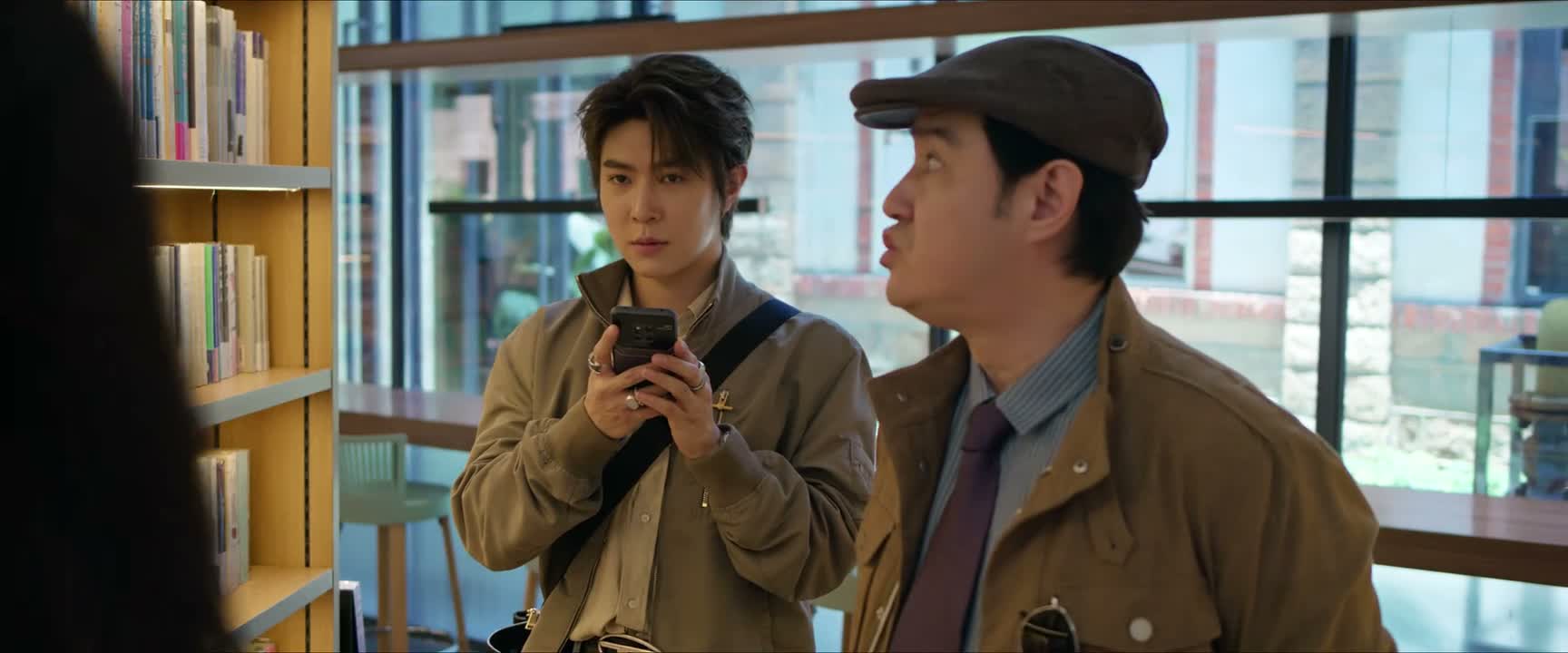
《Archives: The Nanyang Mystery》 S1·E26 (28:21) HSK 7
nǐ luàn pān shén me qīn qī a nǐ

你乱攀什么亲戚啊你

“Stop claiming false relationships.”

《Archives: The Nanyang Mystery》 S1·E26
TIMECODE: 28:21 · 1080P MASTER AUDIO

THE DIALOGUE REEL

1+1+1 SPOKEN CONTINUITY
[-1] PREVIOUS TURN tā shì wǒ jiě jiě nǐ shì nǎ gēn cōng a tā shì wǒ shī niáng

她是我姐姐 你是哪根葱啊 她是我师娘

“She is my sister. Who do you think you are? She is my mentor's wife.”

nǐ luàn pān shén me qīn qī a nǐ CURRENT FOCUS

你乱攀 什么 亲戚啊你

“Stop claiming false relationships.”

[+1] FOLLOW-UP TURN zhè gǔ tou shàng de hén jì shì zhāng jiā tè yǒu de guā gǔ gōng jù liú xià de

这骨头上的痕迹 是张家特有的刮骨工具留下的

“The marks on this bone were left by the Zhang family's unique bone-scraping tool.”

Subtitles synced to millisecond timecode Browse Show Clips →
Scene: Crisis & Conflict
Function: REBUKING
Tone: CONFRONTATIONAL
Emotion: ANNOYANCE
WHAT THEY REALLY MEAN (PRAGMATIC SUBTEXT)

Direct spoken expression in this communicative setting.

💡 Cultural Insight: Pan Qinqi (Claiming Kinship)

In Chinese culture, claiming familial relations ('pan qinqi') is often used strategically to establish instant trust or status, but doing so falsely is met with severe social reproach.

INTENT TAGS: #challenging #rebuke #dismissal
🧩

LEARNING CHUNKS & PARTICLES

1 CHUNKS · 1 PARTICLES
乱攀亲戚 SPOKEN CHUNK

to falsely or opportunistically claim a kinship or personal connection

Used informally to call someone out for claiming unearned intimacy or connection to someone.

Modal Particle「啊」 (a) CHANGE OF STATE

Intensifies the accusatory tone and rhetorical challenge.
🏮

VOCABULARY & EXPRESSIONS

1 EXPR · 0 GRAMMAR
COLLOQUIAL EXPRESSIONS:
CROSS-CINEMA CORPUS BOARD · PARALLEL SCENES

Parallel Spoken Cinema Scenes (语义近邻切片)

EXPLORE BY SEMANTIC SIMILARITY
《Archives: The Nanyang Mystery》 S1·E26 (28:21) · Authentic Cinema Dialogue Corpus