你一走嘛 他又回来了 烦都烦死了
“And they're back once you leave. Annoying.”
THE DIALOGUE REEL
强搬呀 这帮家伙们 你刚去他就跑掉了
“Forced moving. These guys run away when you show up.”
你一走嘛 他又 回来了 烦都烦死了
“And they're back once you leave. Annoying.”
吃好了没有 搞快一点
“Finished eating? Hurry up.”
Direct spoken expression in this communicative setting.
In spoken Chinese, appending '死了' (dead/to death) to emotional adjectives is a very common way to vent strong negative feelings without literal severity.
LEARNING CHUNKS & PARTICLES
as soon as... then again...
Used to describe an immediate recurrence of an action or event once a condition is met.
annoyed to death / extremely irritated
A highly common spoken hyperbole used to emphasize extreme annoyance or frustration.
Marks an obvious causal condition or draws attention to a shared premise.
Indicates an intensified state in the formulaic extreme structure '死了'.
VOCABULARY & EXPRESSIONS
Parallel Spoken Cinema Scenes (语义近邻切片)
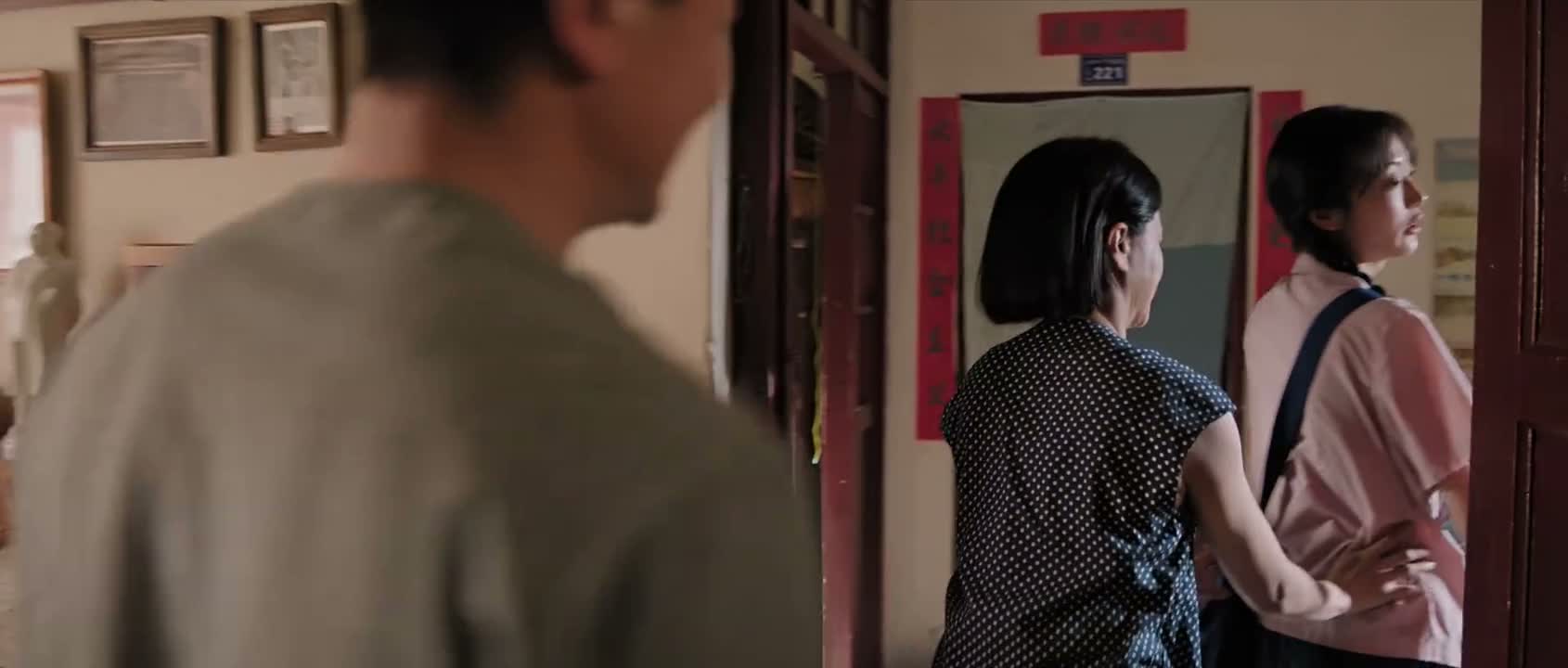
“I'll be going now. You guys should remain here.”

“Why are you leaving already? Who's going to pay then?”
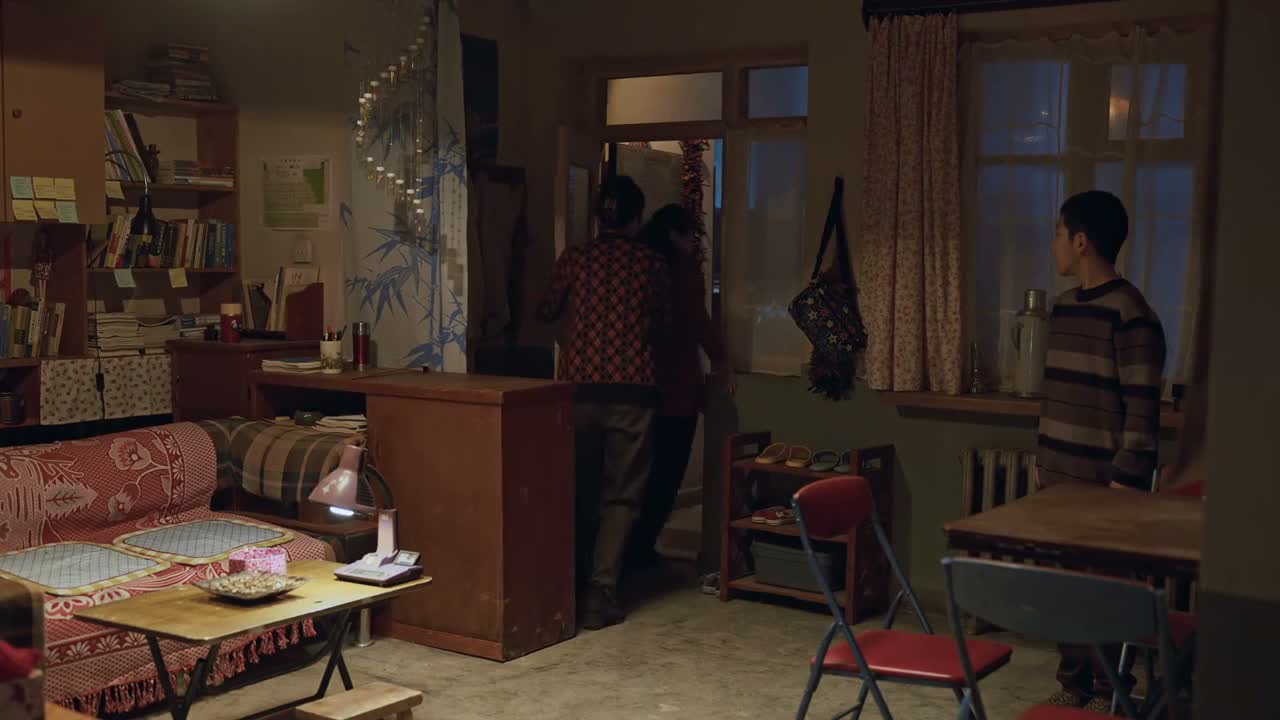
“Don't forget, Meiyan. I'm leaving. Go back.”

“I've only just come back, and now I'm leaving again.”

“Brother, how could you just leave?”

“Why haven't you left yet? Seriously? How could I leave before you end the order?”