你是不是电影看多了?
“Maybe you watched too many movies.”
THE DIALOGUE REEL
这也算破绽之一 一塑造反社会角色就用小丑这一套
“Did you plant this whole clown outfit into Ge Yang's consciousness? That also gave it away. Always using clowns to characterize sociopaths.”
你 是不是 电影看多了 ?
“Maybe you watched too many movies.”
“You humans are the ones who watch too many movies.”
“You are being ridiculous and melodramatic; get real.”
Using '你是不是...看多了/想多了' is a standard rhetorical put-down in modern colloquial Mandarin to invalidate someone's seriousness.
LEARNING CHUNKS & PARTICLES
watched too many movies; being overly dramatic/delusional
A common colloquial phrase used to mock someone who is behaving theatrically or indulging in unrealistic fantasies.
Indicates an excess or change of state resulting in an undesirable condition.
VOCABULARY & EXPRESSIONS
Parallel Spoken Cinema Scenes (语义近邻切片)

“You watch too many TV dramas, don't you?”
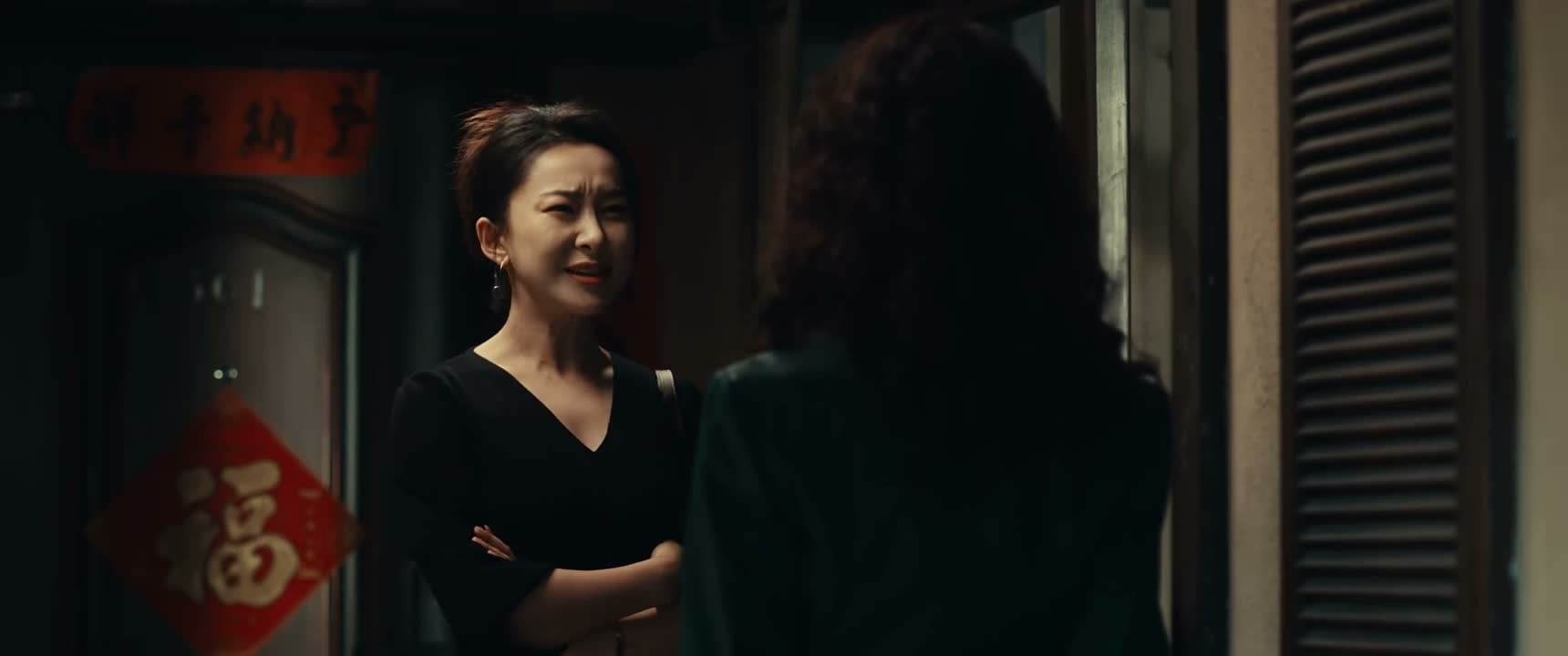
“Have you been watching too many short videos”

“Have you been watching too many romance dramas?”
“- [Wan-wan] You look so good. - [giggles] [Wan-wan] Hey, did you see the video from yesterday?”