《Archives: The Nanyang Mystery》 S1·E25 (23:03)
HSK 3
gāng cái nà yàng de ma zěn me tū rán jiù biàn chéng zhè yàng le
刚才那样的吗 怎么突然就变成这样了
“be like what we saw just now? Why did it suddenly change into this?”
《Archives: The Nanyang Mystery》
S1·E25
TIMECODE: 23:03
·
1080P MASTER AUDIO
THE DIALOGUE REEL
[-1] PREVIOUS TURN
bǎi lè jīng bù yīng gāi shì
百乐京不应该是
“Shouldn't Bailejing”
gāng cái nà yàng de ma zěn me tū rán jiù biàn chéng zhè yàng le
CURRENT FOCUS
刚 才那样的吗 怎么突然 就变成这样了
“be like what we saw just now? Why did it suddenly change into this?”
[+1] FOLLOW-UP TURN
wǒ dà dǎn cāi cè
我大胆猜测
“I have a bold guess.”
Subtitles synced to millisecond timecode
Browse Show Clips →
Scene:
Crisis & Conflict
Function:
EXPRESSING CONFUSION
Tone:
INCREDULOUS
Emotion:
SURPRISE
WHAT THEY REALLY MEAN (PRAGMATIC SUBTEXT)
“Something is completely wrong here, how could things change so fast?”
💡 Cultural Insight: Sense of Crisis in Unpredictable Shifts (突变与危机感)
In Chinese narrative dialogues, rhetorical questions beginning with '怎么突然就...' underscore vulnerability when confronted with sudden supernatural or situational dangers.
INTENT TAGS:
#confusion
#surprise
#incredulity
#seeking_explanation
🧩
1 CHUNKS · 2 PARTICLES
LEARNING CHUNKS & PARTICLES
怎么突然就
SPOKEN CHUNK
how come all of a sudden...
A colloquial formula expressing surprise and bewilderment at a rapid, unexpected transformation.
Modal Particle「吗」 (ma)
CHANGE OF STATE
Forms a question seeking confirmation about a surprising or doubtful state.
Modal Particle「了」 (le)
CHANGE OF STATE
Marks the completion of a change of state, highlighting the sudden new condition.
🏮
2 EXPR · 1 GRAMMAR
VOCABULARY & EXPRESSIONS
COLLOQUIAL EXPRESSIONS:
GRAMMAR BLUEPRINTS:
CROSS-CINEMA CORPUS BOARD · PARALLEL SCENES
EXPLORE BY SEMANTIC SIMILARITY
Parallel Spoken Cinema Scenes (语义近邻切片)

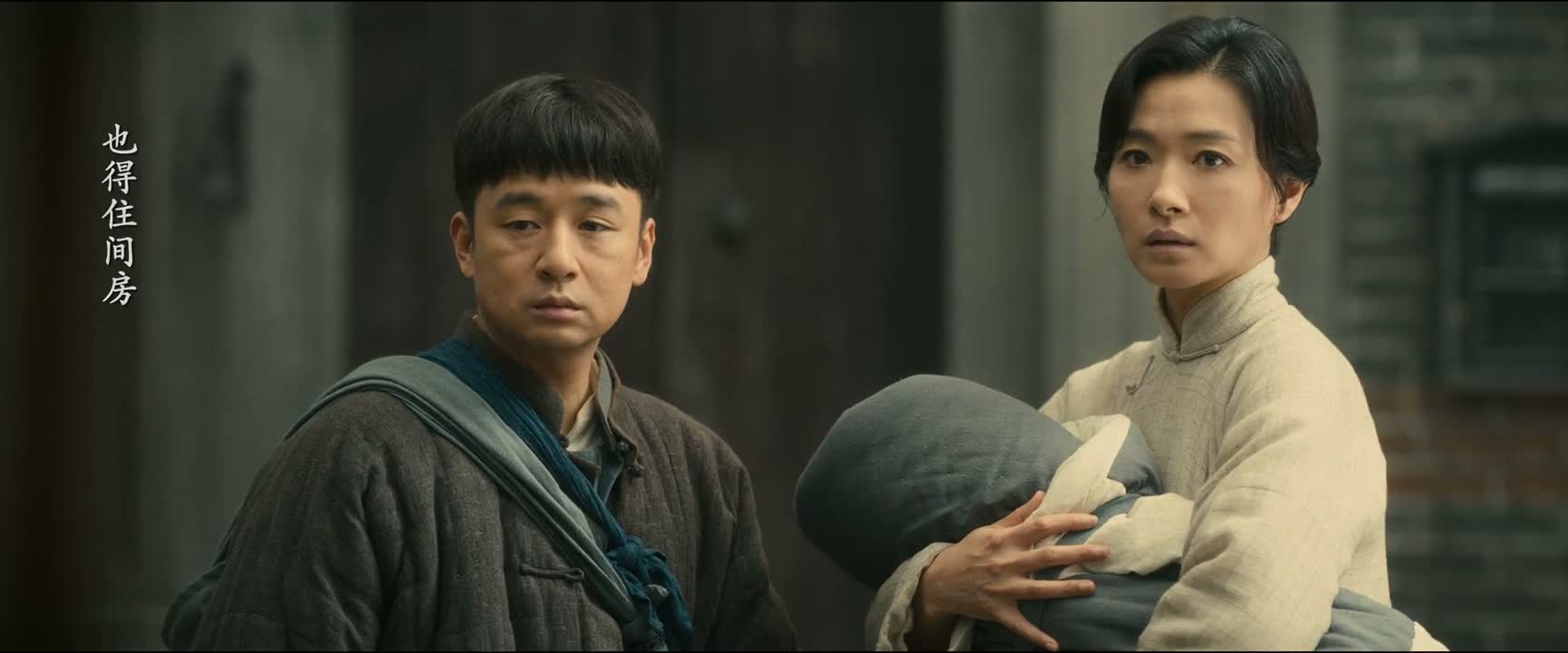
《Archives: The Nanyang Mystery》 S1·E25 (23:03) · Authentic Cinema Dialogue Corpus