《Archives: The Nanyang Mystery》 S1·E25 (31:28)
HSK 4
wèi shén me xuǎn zhè me yī tiáo zǒu bù tōng de lù a
为什么选这么一条走不通的路啊
“Why did you choose a dead-end road?”
《Archives: The Nanyang Mystery》
S1·E25
TIMECODE: 31:28
·
1080P MASTER AUDIO
THE DIALOGUE REEL
[-1] PREVIOUS TURN
bù guò wǒ hào qí
不过我好奇
“But I'm curious.”
wèi shén me xuǎn zhè me yī tiáo zǒu bù tōng de lù a
CURRENT FOCUS
为什么 选这么一条 走不通的路 啊
“Why did you choose a dead-end road?”
[+1] FOLLOW-UP TURN
dào qián miàn qù fàng huǒ shì
到前面去 放火 是
“Go to the front and set a fire. -Yes. -Yes.”
Subtitles synced to millisecond timecode
Browse Show Clips →
Scene:
Crisis & Conflict
Function:
QUESTIONING STRATEGY
Tone:
MOCKING
Emotion:
SKEPTICISM
WHAT THEY REALLY MEAN (PRAGMATIC SUBTEXT)
“You made a foolish move that leads nowhere.”
💡 Cultural Insight: Metaphor of the Road (走不通的路)
In Chinese culture, paths and roads frequently symbolize moral or strategic life decisions, with a dead end reflecting poor foresight or obstinacy.
INTENT TAGS:
#taunting
#challenging
#mocking
#questioning
🧩
1 CHUNKS · 1 PARTICLES
LEARNING CHUNKS & PARTICLES
走不通的路
SPOKEN CHUNK
a dead-end road / a viable path that cannot work
Commonly used metaphorically to describe strategies, ideas, or lifestyles doomed to fail.
Modal Particle「啊」 (a)
CHANGE OF STATE
Softens the interrogative while carrying a lingering sense of incredulity or mockery.
🏮
2 EXPR · 1 GRAMMAR
VOCABULARY & EXPRESSIONS
COLLOQUIAL EXPRESSIONS:
GRAMMAR BLUEPRINTS:
CROSS-CINEMA CORPUS BOARD · PARALLEL SCENES
EXPLORE BY SEMANTIC SIMILARITY
Parallel Spoken Cinema Scenes (语义近邻切片)
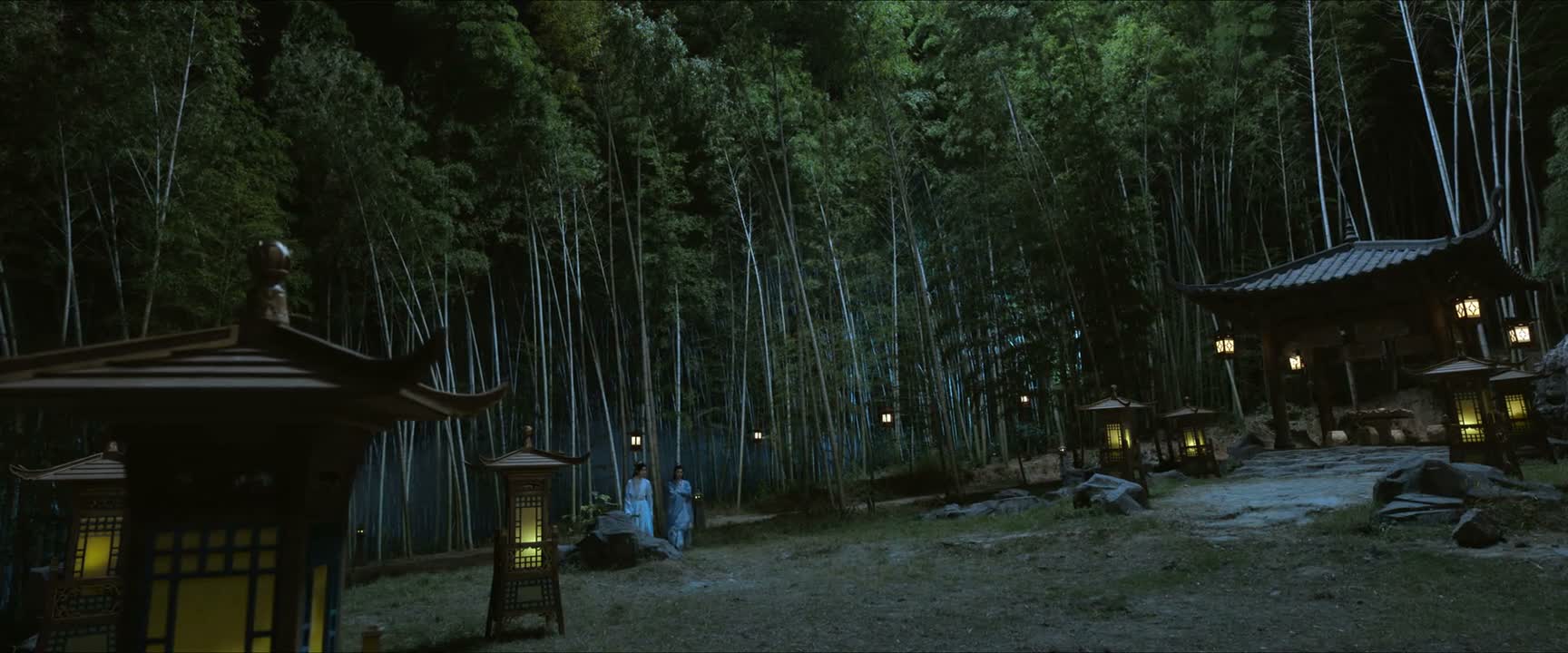

《Archives: The Nanyang Mystery》 S1·E25 (31:28) · Authentic Cinema Dialogue Corpus