可以啥呢 你可起啥哄呢嘛
“Sure what? Why stir this up?”
THE DIALOGUE REEL
“Sir, what are you saying? Sure.”
可以啥 呢 你可 起啥哄 呢嘛
“Sure what? Why stir this up?”
那娃考上了 留个纪念嘛 那娃我教的
“The kid got in. Mark the moment. I taught that kid myself.”
“Stop making a fuss and quit siding with them to mess with me.”
In Chinese social interactions, bystander teasing or adding noise (起哄) is common banter, but can be bluntly called out when it becomes annoying.
LEARNING CHUNKS & PARTICLES
why cause a commotion; why join the teasing
A highly colloquial northern phrase used to reprimand someone who is adding fuel to social drama or teasing.
Softens the rhetorical question while maintaining a colloquial interrogative tone.
Adds an impatient and persuasive nuance, highlighting that the point should be obvious.
VOCABULARY & EXPRESSIONS
Parallel Spoken Cinema Scenes (语义近邻切片)

“What could I possibly want?”
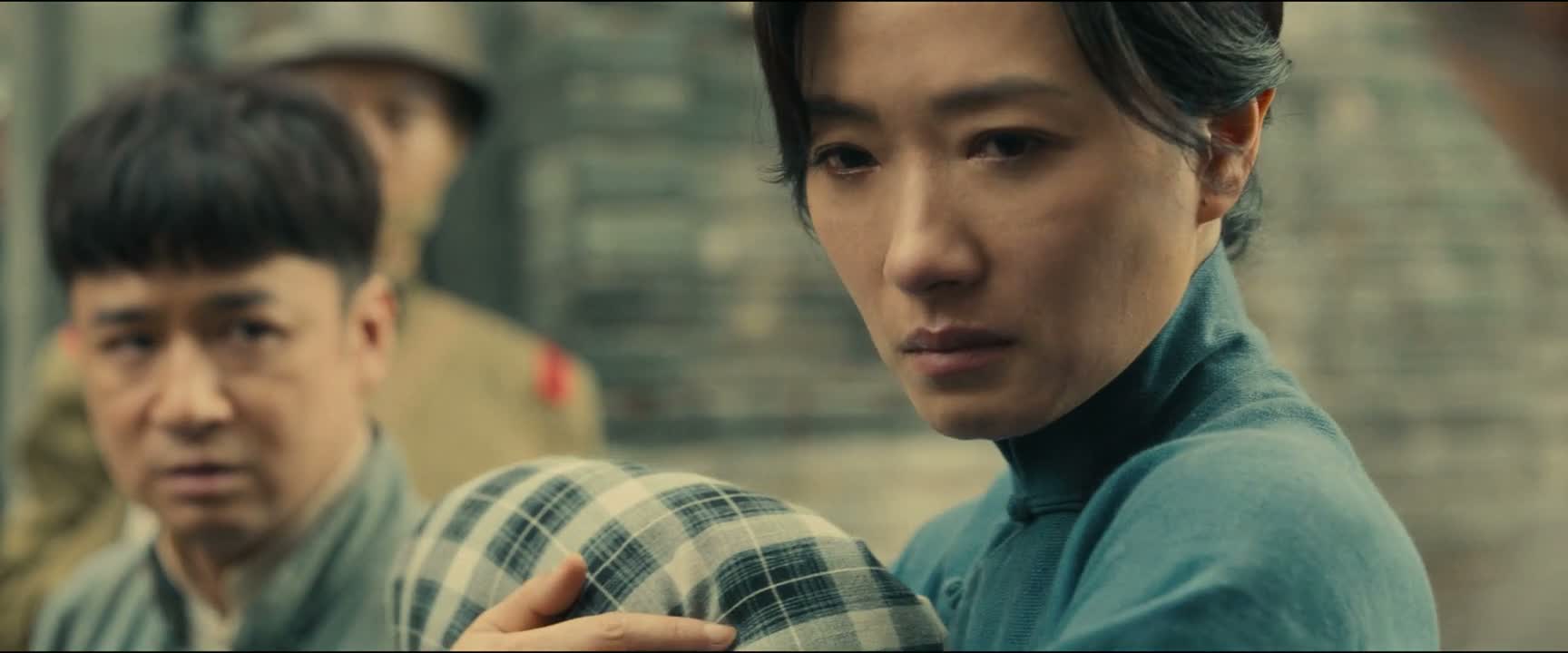
“named my child?”

“You scared me!”

“Then... What can I do to help?”

“I haven't even named it yet.”

“Get up! Up, up.”