MC
MandarinClips Cinema Corpus
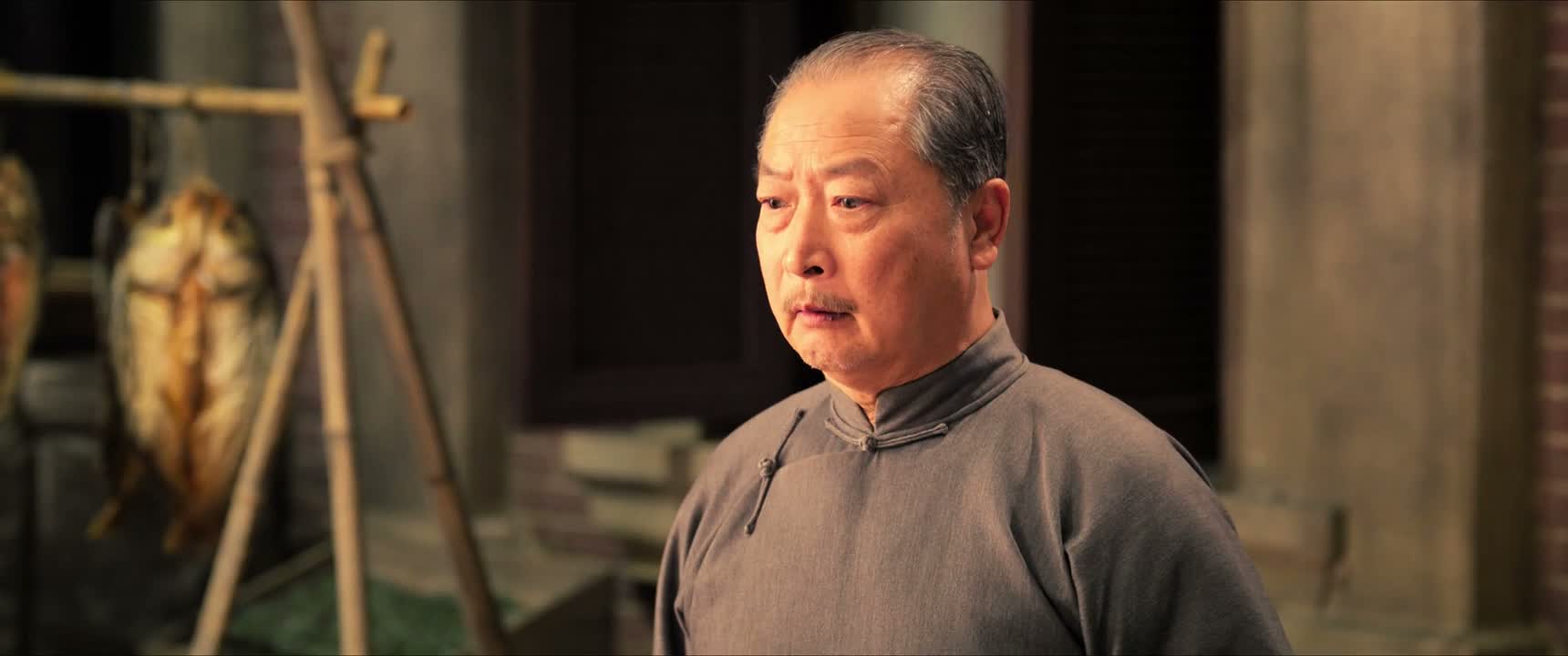
《My Destiny》 S1·E25 (28:24) HSK 2
nǐ shuí a nǐ gěi wǒ chū qù chū qù nǐ zhè rén zěn me zhè yàng a

你谁啊 你给我出去 出去 你这人怎么这样啊

“Who are you? Get out! What's wrong with you?”

《My Destiny》 S1·E25
TIMECODE: 28:24 · 1080P MASTER AUDIO

THE DIALOGUE REEL

1+1+1 SPOKEN CONTINUITY
[-1] PREVIOUS TURN guǎn tā bēi zhǎn shēn hé qiǎn

管他杯盏深和浅

“we'd drink away.”

nǐ shuí a nǐ gěi wǒ chū qù chū qù nǐ zhè rén zěn me zhè yàng a CURRENT FOCUS

你谁啊 你给我出去 出去 你这人怎么这样啊

“Who are you? Get out! What's wrong with you?”

[+1] FOLLOW-UP TURN fāng wǎn zhī ma

方婉之吗

“Fang Wanzhi?”

Subtitles synced to millisecond timecode Browse Show Clips →
Scene: Crisis & Conflict
Function: DEMANDING EXPLANATION
Tone: AGGRESSIVE
Emotion: ANGER
WHAT THEY REALLY MEAN (PRAGMATIC SUBTEXT)

Direct spoken expression in this communicative setting.

💡 Cultural Insight: Grammaticalized Imperative with 'Gei Wo'

Adding 'gei wo' before an imperative verb in Chinese strongly asserts dominance and territorial boundary control during an intense dispute.

INTENT TAGS: #eviction #boundary_defense #outrage #dismissal
🧩

LEARNING CHUNKS & PARTICLES

2 CHUNKS · 1 PARTICLES
给我出去 SPOKEN CHUNK

Get out of here!

An assertive imperative using 'gei wo' (literally 'for me') to add force and authority to an order.

你怎么这样 SPOKEN CHUNK

How can you be like this? / What is wrong with you?

A very common colloquial expression expressing exasperation, disbelief, or moral reproach at someone's conduct.

Modal Particle「啊」 (a) CHANGE OF STATE

Intensifies indignation, exasperation, and urgent hostility.

🏮

VOCABULARY & EXPRESSIONS

3 EXPR · 0 GRAMMAR
CROSS-CINEMA CORPUS BOARD · PARALLEL SCENES

Parallel Spoken Cinema Scenes (语义近邻切片)

EXPLORE BY SEMANTIC SIMILARITY
《My Destiny》 S1·E25 (28:24) · Authentic Cinema Dialogue Corpus