你谁啊 为什么会在我家
“Who are you? Why are you in my house?”
THE DIALOGUE REEL
你谁啊 为什么会 在 我家
“Who are you? Why are you in my house?”
我是卖海鲜干货的
“I sell dried seafood.”
“You don't belong here—explain yourself right now or get out.”
Chinese speakers typically maintain high politeness toward strangers in public, but an uninvited intrusion into private domestic space triggers an abrupt drop in honorifics and an assertive defensive reaction.
LEARNING CHUNKS & PARTICLES
Who are you?
A blunt, casual, and often confrontational way to ask someone's identity; use with caution as it lacks politeness.
Why are you at/in...
A common pattern used to express bewilderment or suspicion about someone's unexpected location or presence.
Adds emotional intensity and sharpens the abrupt, demanding edge of the inquiry.
VOCABULARY & EXPRESSIONS
Parallel Spoken Cinema Scenes (语义近邻切片)

“Who are they? What's going on? So many people.”
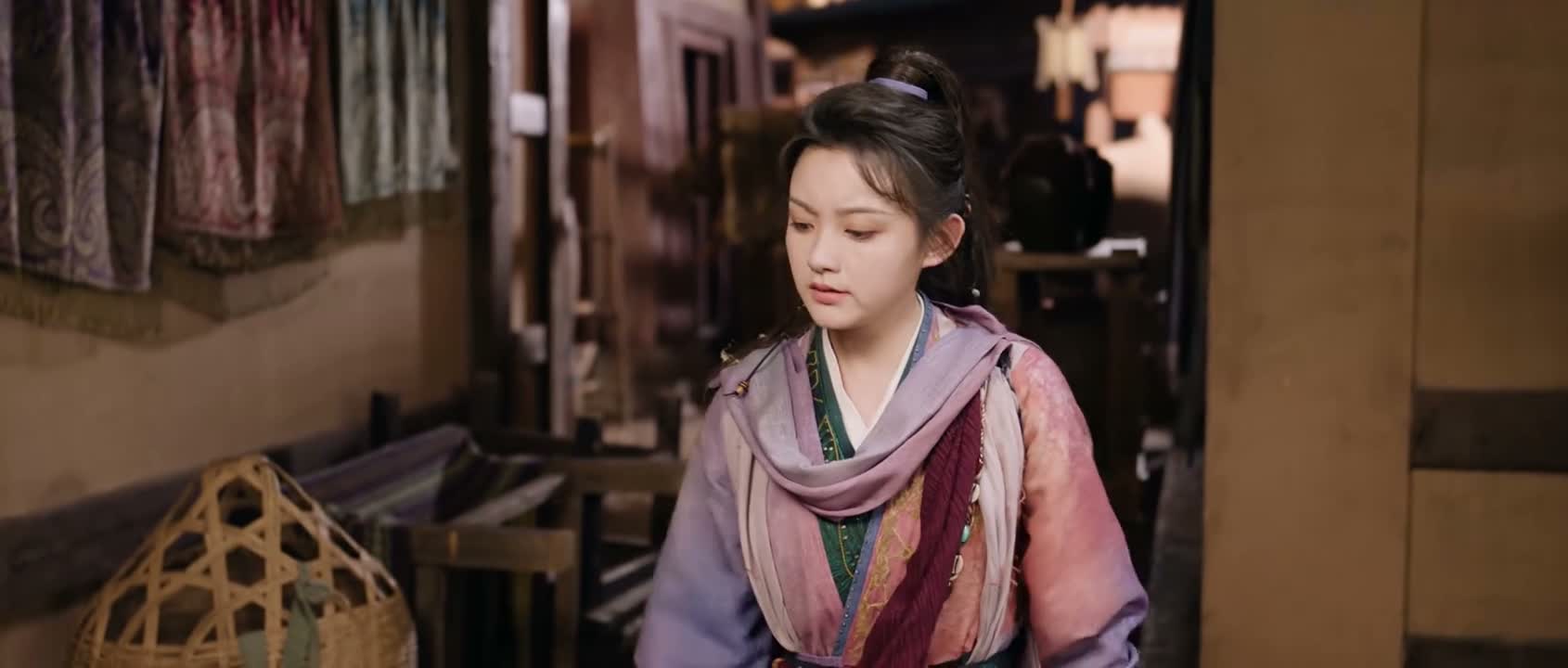
“Who are you? Why slay a spirit here?”

“Who are you? Get out! What's wrong with you?”

“Who are you? Why did you trip me? Everyone, look!”
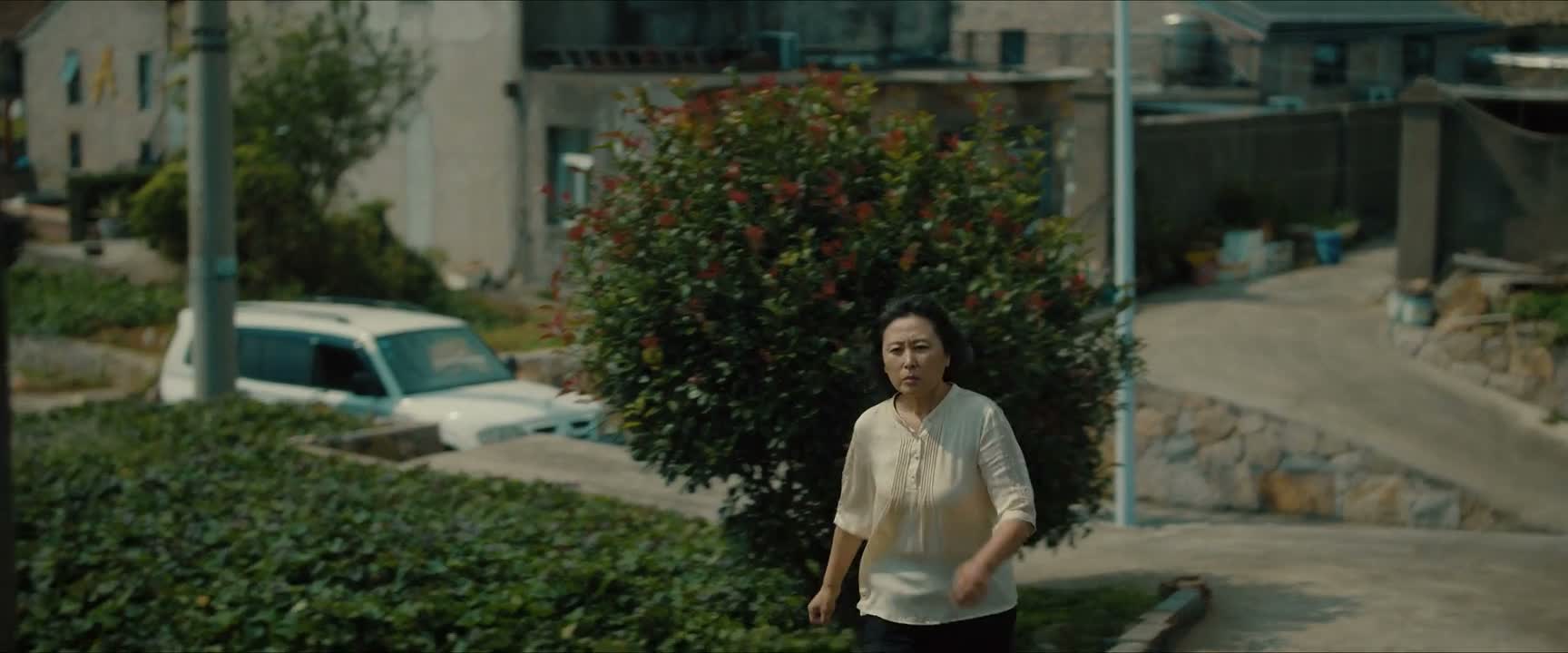
“Who are you? Why are you in my house?”
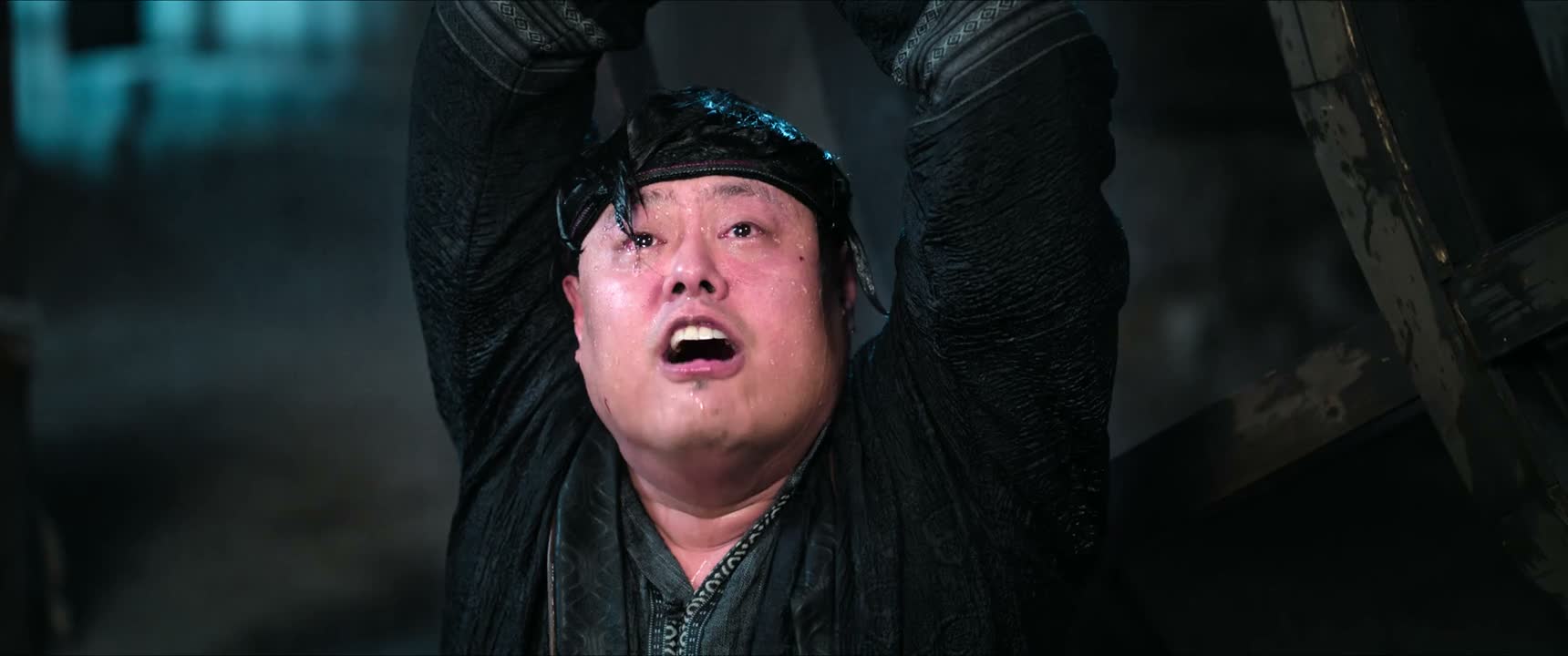
“Who are you? What do you want?”