欠我钱的人 就得在这店上买
“The person who owes me money has to buy wine from my shop.”
THE DIALOGUE REEL
我标多少钱
“I set the price.”
欠我 钱的人 就得 在这店上买
“The person who owes me money has to buy wine from my shop.”
我还给他开发票
“I'll even send them an invoice.”
“They owe me, so they have no choice but to accept my terms and pay up through my shop.”
In small Chinese private businesses, collecting debt often involves creative pressure tactics, such as compelling debtors to purchase tied merchandise rather than waiting for direct cash repayment.
LEARNING CHUNKS & PARTICLES
people who owe me money
A common colloquial phrase used to identify debtors or people with unpaid balances.
simply must / have no choice but to
Used in spoken Mandarin to impose a strict requirement or unavoidable consequence.
VOCABULARY & EXPRESSIONS
Parallel Spoken Cinema Scenes (语义近邻切片)

“I promise I'll pay you back double.”
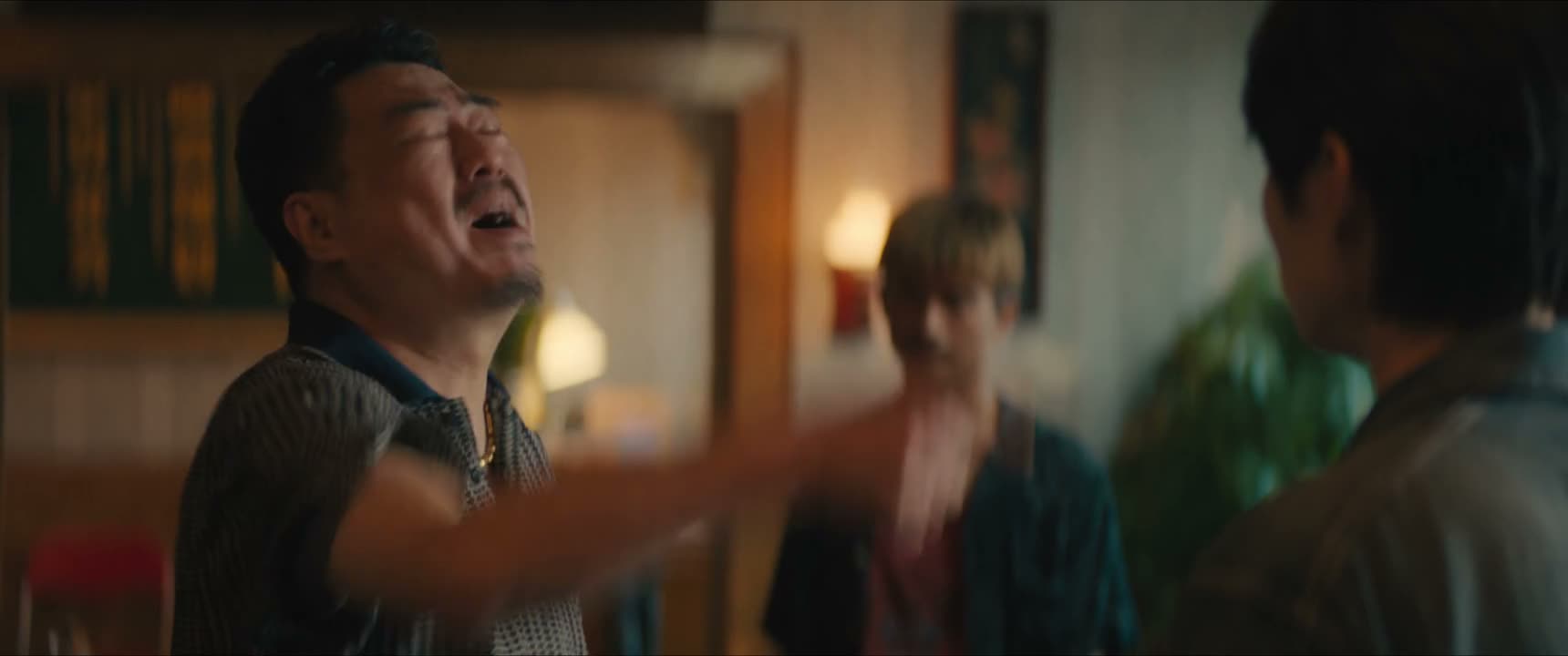
“You still owe me money!”

“of the sand quarry some money and hasn't returned the money so far.”

“even cheerful when someone owes you money.”

“He owed us money! I collected a debt.”

“I will repay the favor at the right time.”