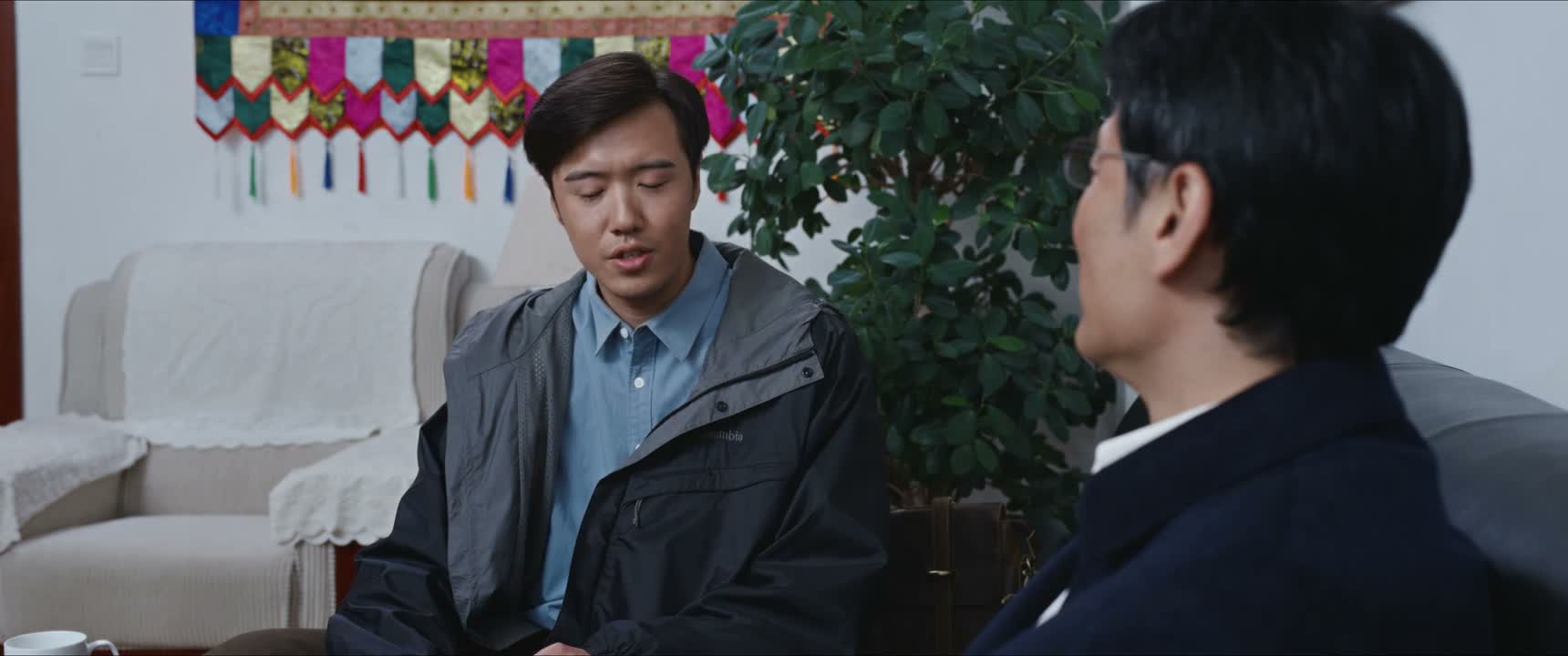
先前分明是说见到过的 怎么会这样呢?
“They clearly said they saw him before. How could it end up like this?”
THE DIALOGUE REEL
出来一下
“Come out with me.”
先前 分明是 说见到过的 怎么会这样 呢 ?
“They clearly said they saw him before. How could it end up like this?”
今日可有什么人来过?
“Has anyone come today?”
“Someone is lying or something went wrong behind our backs.”
Using adverbs like '分明' conveys a strong cognitive certainty that triggers immediate suspicion when reality contradicts it.
LEARNING CHUNKS & PARTICLES
previously / earlier
A slightly formal term contrasting past statements with the present situation.
clearly / plainly was
Emphasizes that something was obvious and leaves little room for dispute.
how could it end up like this?
A common rhetorical question expressing shock or confusion at an unexpected turn of events.
Softens the rhetorical question while sustaining the tone of contemplation and confusion.
VOCABULARY & EXPRESSIONS
Parallel Spoken Cinema Scenes (语义近邻切片)

“I feel like it has been trained before.”
“At first, I also thought it was just like before,”

“This shows that leopard appeared before.”