MC
MandarinClips Cinema Corpus
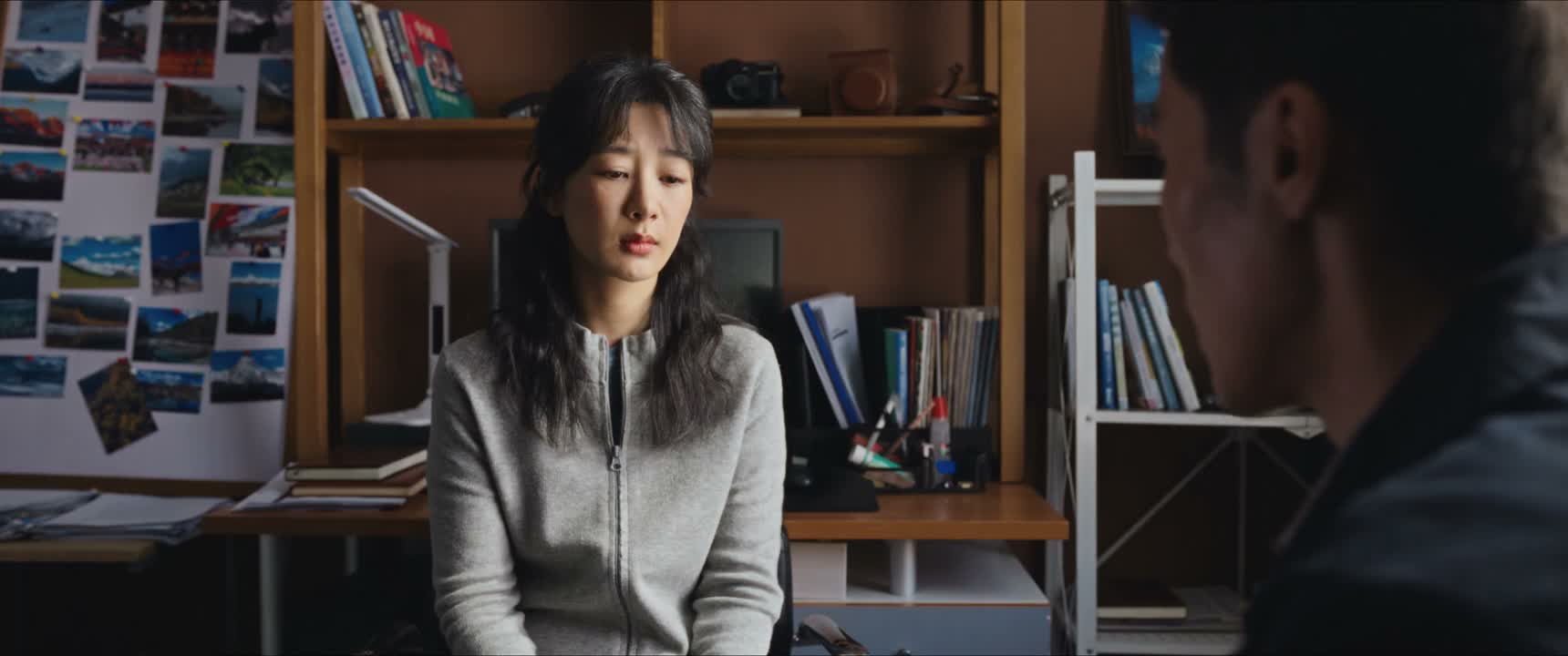
《Archives: The Nanyang Mystery》 S1·E1 (38:29) HSK 3
wǒ xuǎn de dì fāng wǒ gěi wàng le nǐ xuǎn le qù nǎ ér

我选的地方 我给忘了 你选了去哪儿

“[6 months ago, Xiacheng] I forgot where I chose. Where did you choose to go?”

《Archives: The Nanyang Mystery》 S1·E1
TIMECODE: 38:29 · 1080P MASTER AUDIO

THE DIALOGUE REEL

1+1+1 SPOKEN CONTINUITY
[-1] PREVIOUS TURN nǐ xuǎn zé qù nǎ ér

你选择去哪儿

“[6 months ago, Xiacheng] Where did you choose to go?”

wǒ xuǎn de dì fāng wǒ gěi wàng le nǐ xuǎn le qù nǎ ér CURRENT FOCUS

我选的地方 我给忘了 你选了 去哪儿

“[6 months ago, Xiacheng] I forgot where I chose. Where did you choose to go?”

[+1] FOLLOW-UP TURN dà gài shì guǎng chuān shí sān xíng ba kě yǐ a

“Probably the Thirteen Hongs of Guangchuan. Not bad.”

Subtitles synced to millisecond timecode Browse Show Clips →
Scene: Social & Dating
Function: SEEKING CLARIFICATION
Tone: CASUAL
Emotion: EMBARRASSMENT
WHAT THEY REALLY MEAN (PRAGMATIC SUBTEXT)

Direct spoken expression in this communicative setting.

💡 Cultural Insight: Colloquial 'Gei' (给) as an Intensifier

In northern Mandarin vernacular, inserting '给' before transitive or change-of-state verbs conveys a sense of passive inevitability or casual carelessness.

INTENT TAGS: #coordination #admitting_lapse #inquiry #casual_chat
🧩

LEARNING CHUNKS & PARTICLES

1 CHUNKS · 1 PARTICLES
给忘了 SPOKEN CHUNK

completely slipped one's mind / ended up forgetting

The particle '给' functions here as a colloquial marker highlighting the inadvertent or accidental completion of forgetting.

Modal Particle「儿」 (er) CHANGE OF STATE

Adds an informal, northern colloquial cadence to the interrogative pronoun '哪'.
🏮

VOCABULARY & EXPRESSIONS

2 EXPR · 0 GRAMMAR
CROSS-CINEMA CORPUS BOARD · PARALLEL SCENES

Parallel Spoken Cinema Scenes (语义近邻切片)

EXPLORE BY SEMANTIC SIMILARITY
《Archives: The Nanyang Mystery》 S1·E1 (38:29) · Authentic Cinema Dialogue Corpus