MC
MandarinClips Cinema Corpus
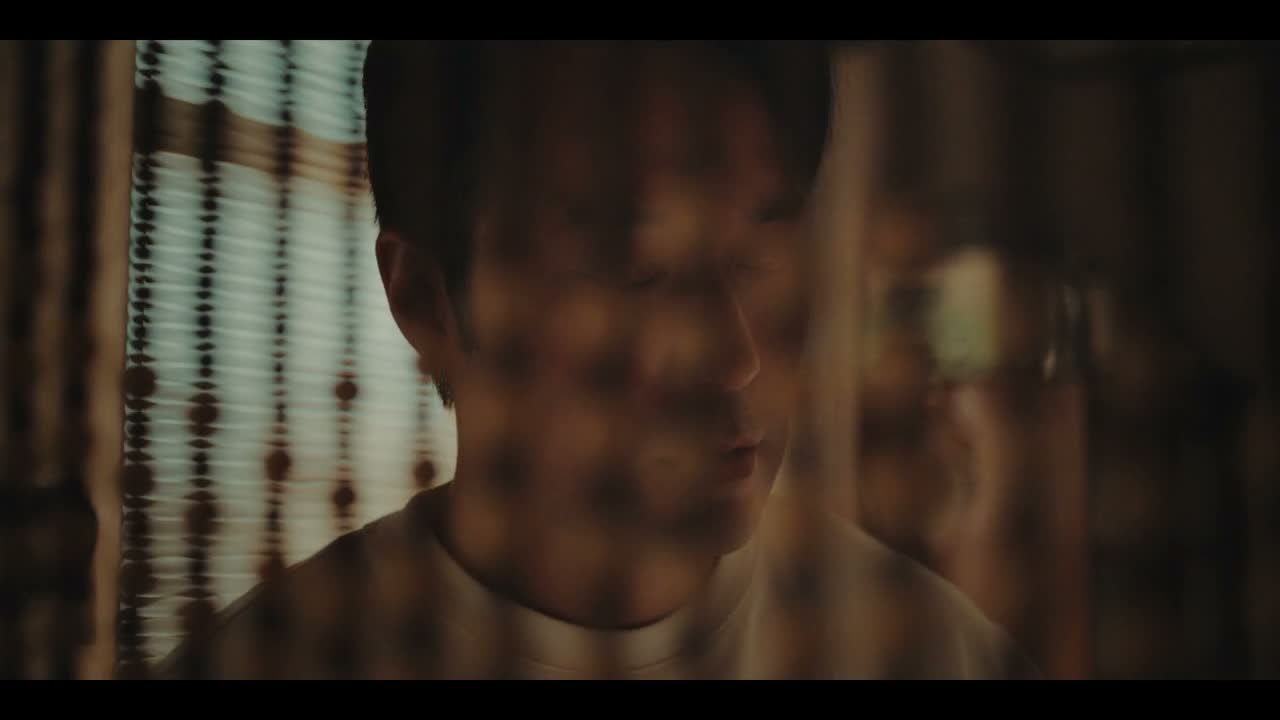
《The Lead》 S1·E37 (33:02) HSK 7
nǐ zhè jù huà shuō de bù zhī dào nǐ zài fěng cì shuí ne

你这句话说的 不知道你在讽刺谁呢

“Listen to that. I'm not sure who you're taking a jab at.”

《The Lead》 S1·E37
TIMECODE: 33:02 · 1080P MASTER AUDIO

THE DIALOGUE REEL

1+1+1 SPOKEN CONTINUITY
[-1] PREVIOUS TURN yǒu le wá zhī hòu xīn sī fàng zài wá shàng shì yè yě jiù gù bù shàng le

有了娃之后 心思放在娃上 事业也就顾不上了

“Once you have a kid, your mind is all on the child, and your career takes a back seat.”

nǐ zhè jù huà shuō de bù zhī dào nǐ zài fěng cì shuí ne CURRENT FOCUS

你这句 话说 的 不知道你在讽刺谁 呢

“Listen to that. I'm not sure who you're taking a jab at.”

[+1] FOLLOW-UP TURN tīng bù dǒng

听不懂

“I don't get it.”

Subtitles synced to millisecond timecode Browse Show Clips →
Scene: Social & Dating
Function: EXPRESSING DISCONTENT
Tone: DEFENSIVE
Emotion: OFFENSE
WHAT THEY REALLY MEAN (PRAGMATIC SUBTEXT)
“Are you taking a dig at me? Watch your mouth.”
💡 Cultural Insight: Calling Out Subtext (Hua Li You Hua)

In Chinese social interaction, oblique criticism is common, and calling it out directly signals that a boundary has been crossed.

INTENT TAGS: #calling_out #defensiveness #confrontation #displeasure
🧩

LEARNING CHUNKS & PARTICLES

2 CHUNKS · 1 PARTICLES
你这句话说的 SPOKEN CHUNK

what a thing for you to say; the way you put that

A conversational preface used to challenge an inappropriate, rude, or offensive remark.

讽刺 SPOKEN CHUNK

to mock; to satirize; to make sarcastic remarks

Commonly used in interpersonal disputes when someone detects hidden hostility in another's words.

Modal Particle「呢」 (ne) CHANGE OF STATE

Adds a lingering rhetorical, probing tone to the criticism.
🏮

VOCABULARY & EXPRESSIONS

2 EXPR · 0 GRAMMAR
CROSS-CINEMA CORPUS BOARD · PARALLEL SCENES

Parallel Spoken Cinema Scenes (语义近邻切片)

EXPLORE BY SEMANTIC SIMILARITY
《The Lead》 S1·E37 (33:02) · Authentic Cinema Dialogue Corpus