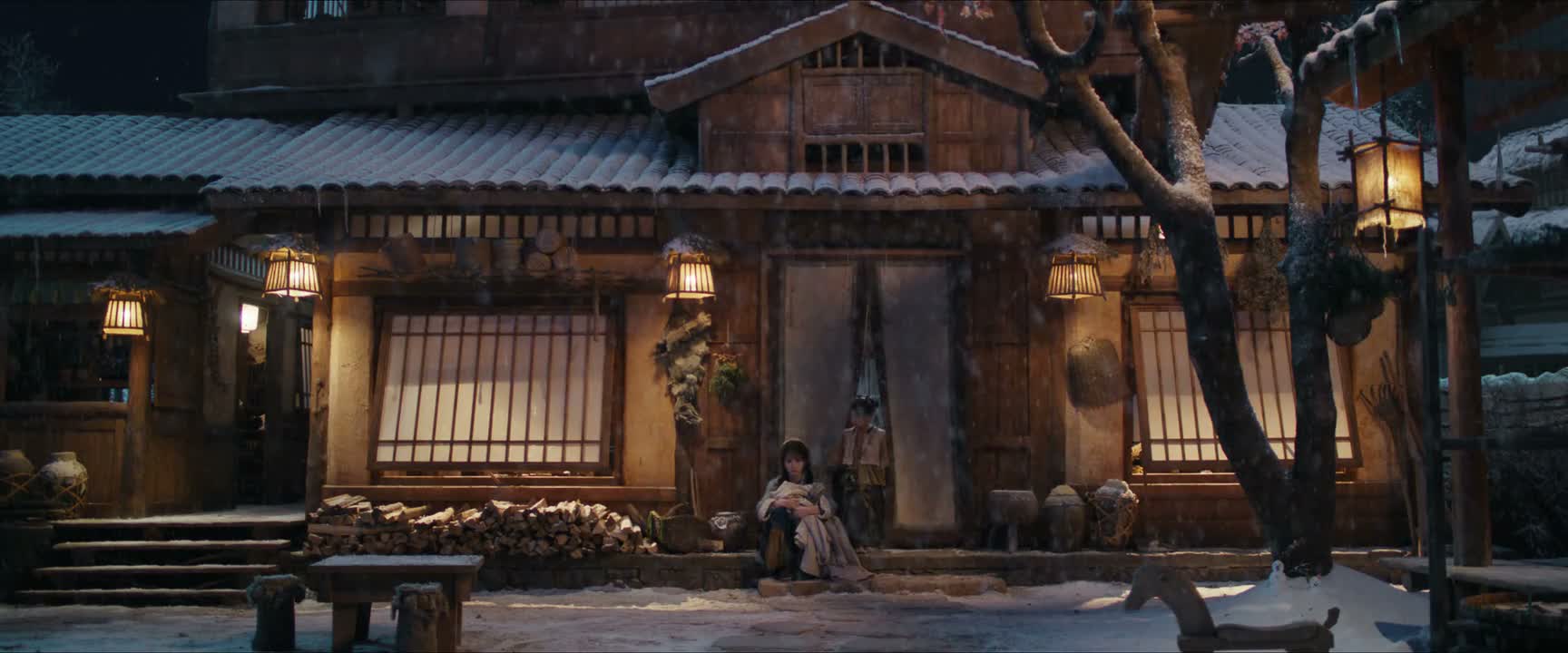
这衣服好看 哪儿买的
“Nice clothes. Where did you get them?”
THE DIALOGUE REEL
你咋来了
“Why are you here?”
这衣服好看 哪儿买的
“Nice clothes. Where did you get them?”
你来干吗呀
“What are you doing here?”
“Let me flatter you so you don't get mad at me for showing up unannounced.”
Complimenting clothing or recent purchases is a ubiquitous small-talk tactic in Chinese culture to reduce interpersonal friction and soften a surprise encounter.
LEARNING CHUNKS & PARTICLES
good-looking / attractive / nice
The most natural spoken word to describe pleasing aesthetic appearance in clothes, people, or items.
where did you buy it?
A standard spoken pattern using '是...的' construction to ask about origin or place of purchase.
Functions as part of the cleft focus construction emphasizing the location where the purchase took place.
VOCABULARY & EXPRESSIONS
Parallel Spoken Cinema Scenes (语义近邻切片)

“Your clothes look nice. Where did you get them?”

“I know the factory price of your batch of garments.”
“Where did these clothes come from?”