我没睡好 心情差 你最好不要自找麻烦
“I didn't sleep well, and I'm in a bad mood. You'd better not ask for trouble.”
THE DIALOGUE REEL
墨迹还没干
“The ink is not dry yet.”
我没睡好 心情差 你 最好 不要 自找麻烦
“I didn't sleep well, and I'm in a bad mood. You'd better not ask for trouble.”
“- I didn't kill anyone. - Then why did you run?”
“Get out of my face right now, or you will regret it.”
Articulating one's bad mood and giving an explicit warning is culturally used to pre-assign blame to the other party should physical or verbal violence ensue.
LEARNING CHUNKS & PARTICLES
ask for trouble / invite trouble upon oneself
A frequent warning or reproach aimed at preventing someone from getting involved in dangerous or frustrating situations.
had better not
Used to frame strong warnings or veiled threats disguised as practical advice.
VOCABULARY & EXPRESSIONS
Parallel Spoken Cinema Scenes (语义近邻切片)

“Did I not sleep well, or did you?”

“I wasn't sleeping. -I… I sat for a while. -Alright. Alright.”

“If you have trouble falling asleep, you could give it a try.”
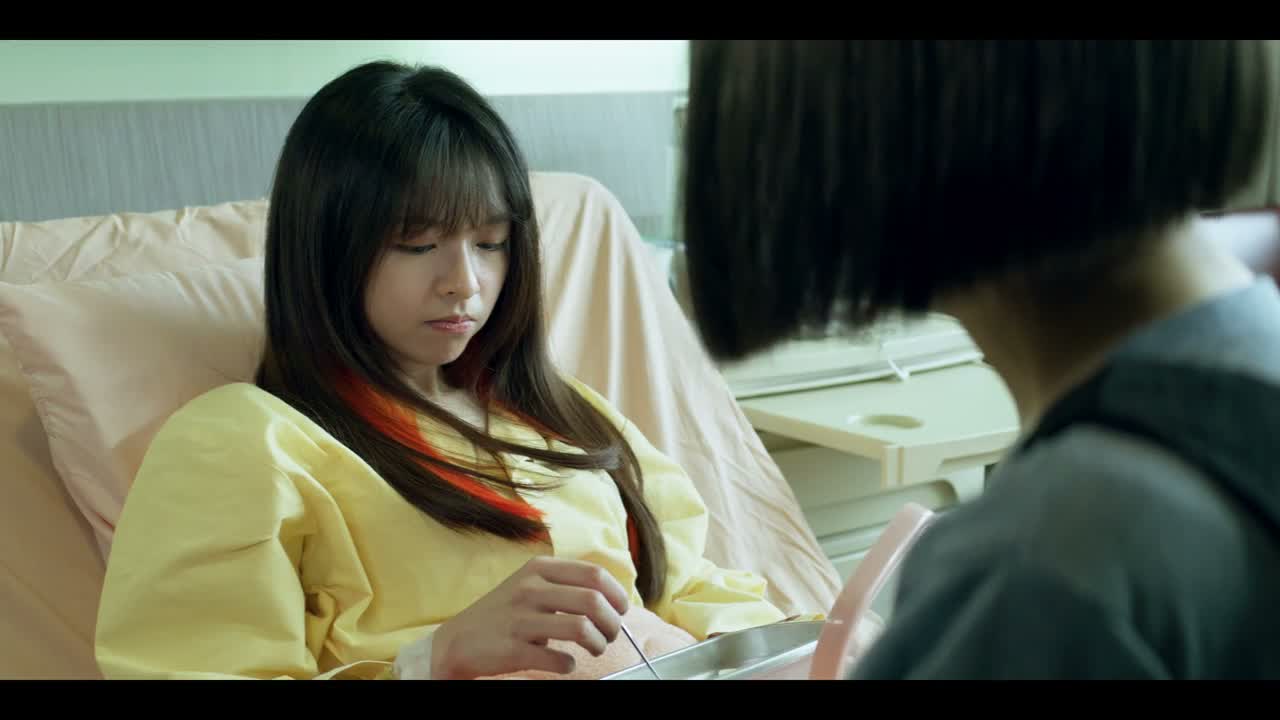
“He worries if you are eating well, and sleeping well,”

“I haven't slept well for a single night. Do you know that?”

“I know there's room. I just don't want you sleeping poorly.”