经常是做了一大桌子菜
“I'd often cook a whole table of dishes.”
THE DIALOGUE REEL
结婚以后
“After we got married,”
经常是 做了 一大桌子菜
“I'd often cook a whole table of dishes.”
说好了回家吃饭
“Saying he'd be home for dinner.”
“I put in so much effort to cook for us, but it was often taken for granted.”
In Chinese domestic culture, preparing an elaborate spread of home-cooked meals is a primary expression of care, making missed dinners a significant source of emotional hurt.
LEARNING CHUNKS & PARTICLES
often ends up being / frequently turns out to be
Used in spoken Chinese to introduce a recurring tendency or habitual pattern.
a whole table full of dishes
A vivid spoken measure phrase emphasizing the large quantity and effort put into cooking.
Indicates the completion of the action of cooking the dishes within the narrative.
VOCABULARY & EXPRESSIONS
Parallel Spoken Cinema Scenes (语义近邻切片)
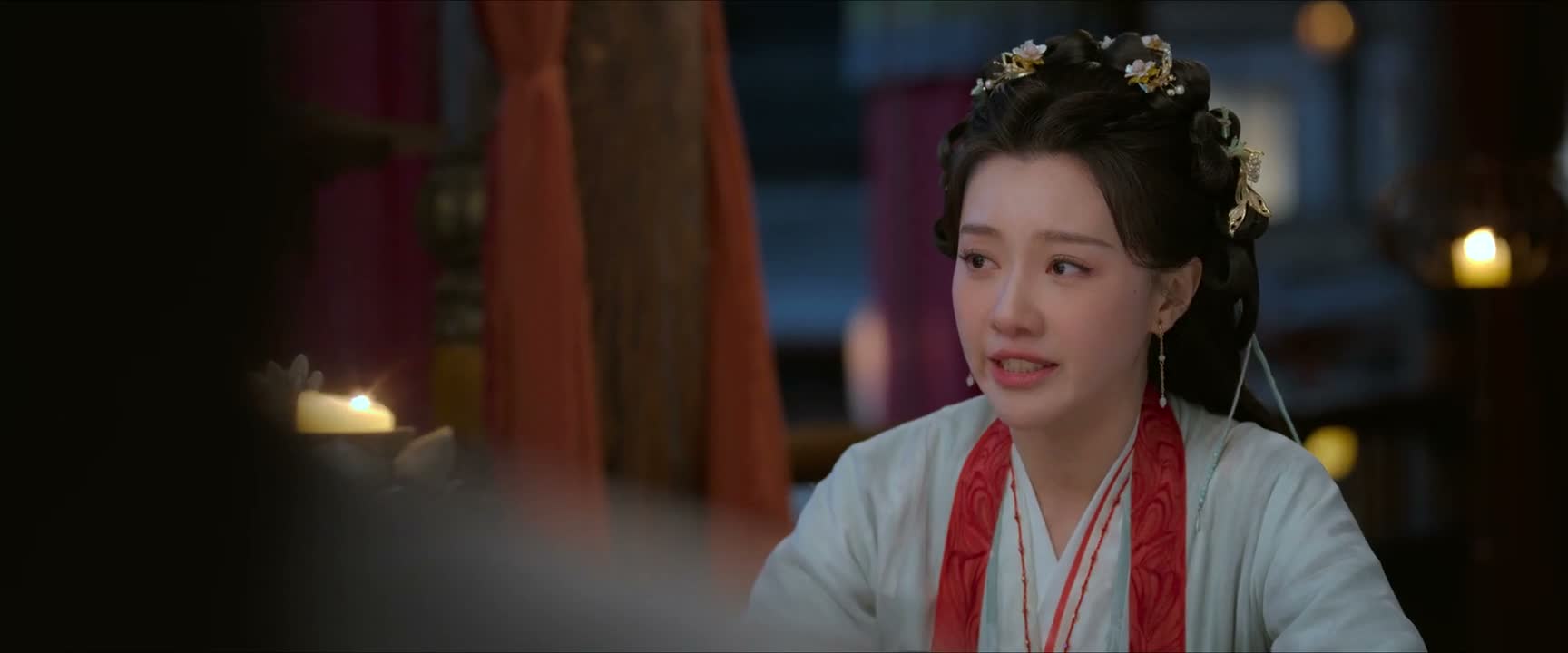
“We've eaten lots of delicious food together,”

“Speaking of cooking, I can't stop.”

“Why did you prepare such a feast for me?”

“Since you bought so many, are we expecting guests?”

“I really love your cooking.”
“If you're making a banquet dish,”