但宋雨又能做什么呢
“(But what could Song Yu do?)”
THE DIALOGUE REEL
“(He wants Song Yu to give her a push.)”
但宋雨 又能做什么 呢
“(But what could Song Yu do?)”
忆秦娥看得到宋雨的悲痛 和小心翼翼
“(Yi Qin'e sees Song Yu's grief) (and great caution.)”
“She wanted to help, but she was completely powerless.”
In Chinese literary storytelling, highlighting a character's helplessness ('wunai') evokes deep empathetic pathos rather than judgment for failing to act.
LEARNING CHUNKS & PARTICLES
what could [one] possibly do?
A standard rhetorical question pattern used to emphasize utter inability or futility in a difficult situation.
Enhances the rhetorical, contemplative tone of the question, emphasizing helplessness.
VOCABULARY & EXPRESSIONS
Parallel Spoken Cinema Scenes (语义近邻切片)
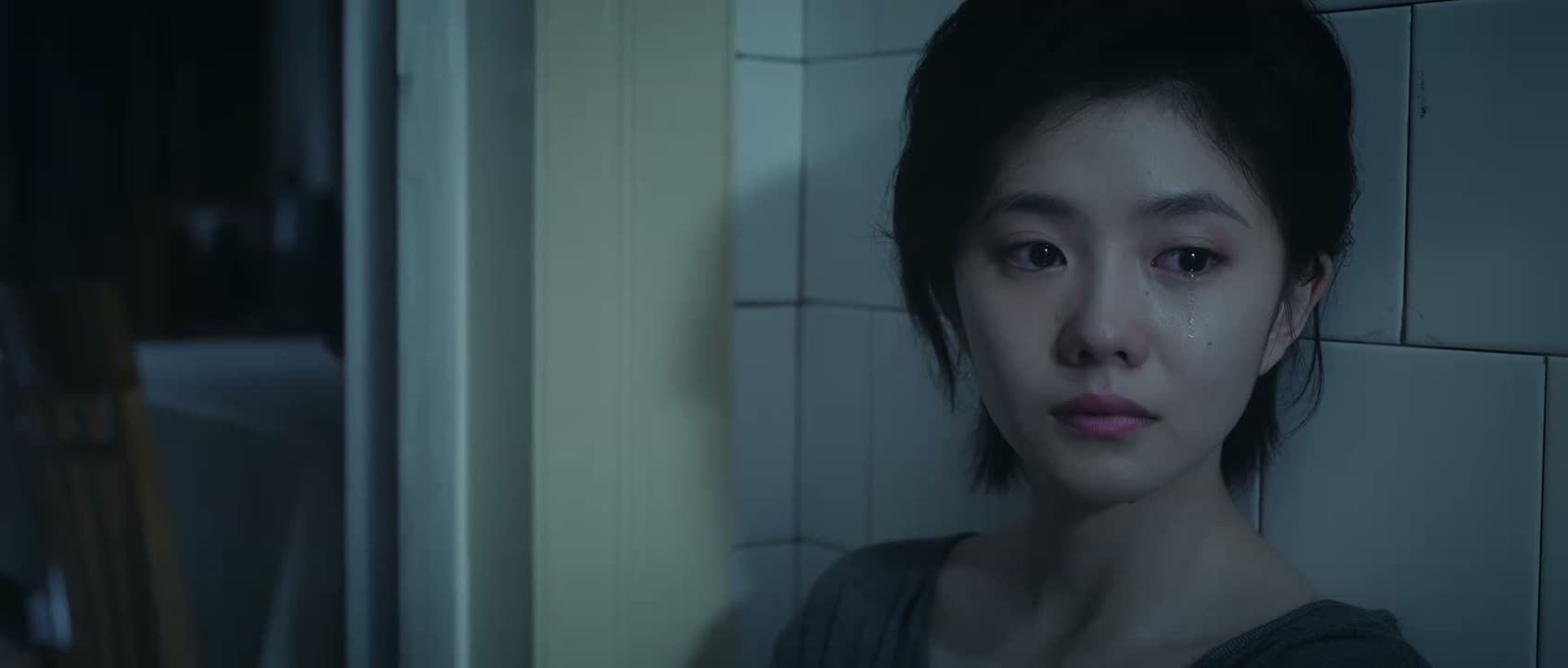
“(He wants Song Yu to give her a push.)”
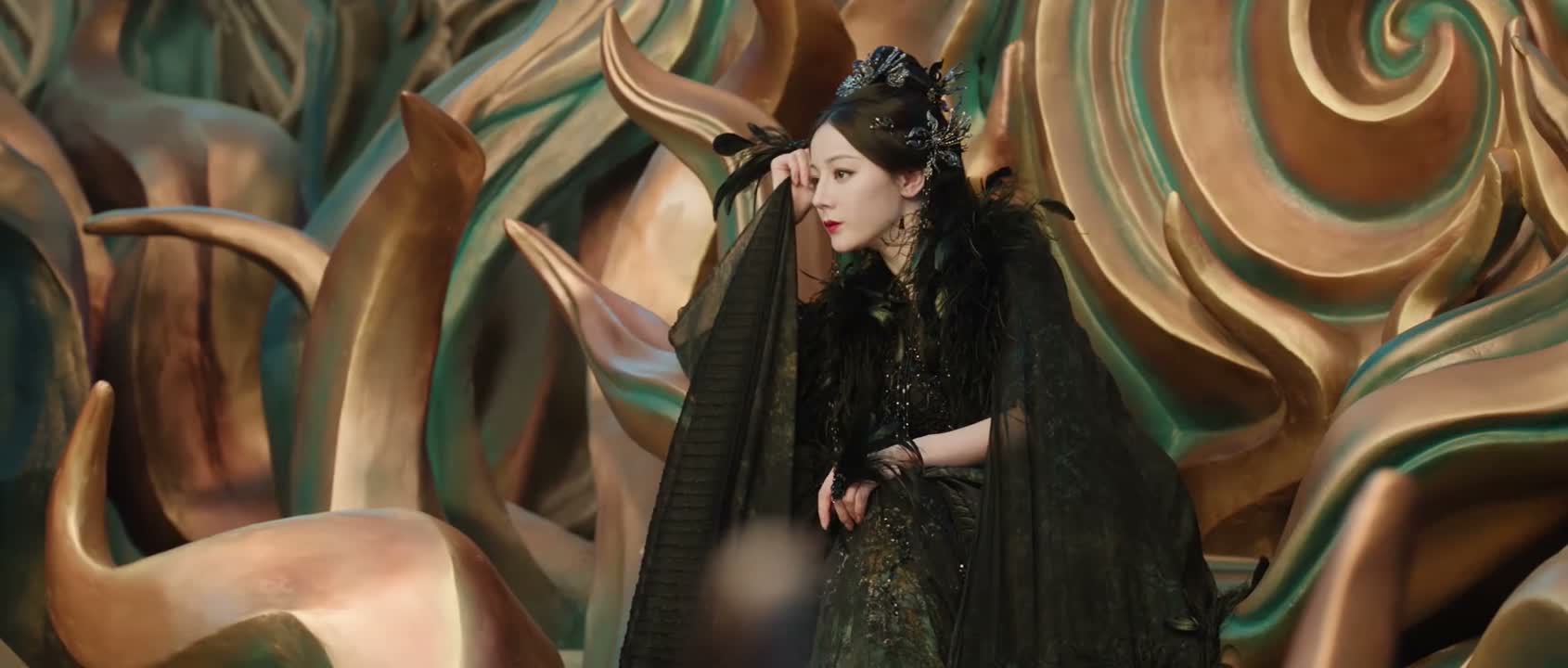
“Song Xingyu is still at large.”

“Tell me where Song Xingyu is, and I'll let you go.”

“what you and Song Xingyu are up to.”

“We can work out how to catch Song Xingyu.”

“Song Xingyu completely ruined me.”