咱俩说的是一个人不
“Are we talking about the same person?”
THE DIALOGUE REEL
人从小青梅竹马 两情相悦呢 跟你这𪨊货一样
“They grew up together and were in love. Unlike a piece of trash like you.”
咱俩 说的是一个人不
“Are we talking about the same person?”
你撇撇撇(一边去) 把嘴闭上
“You, get lost! Shut your mouth.”
“Are you sure we are discussing the same guy? Your description sounds completely bogus.”
Close friends in northern China often use sarcastic mock-incredulity to tease each other and foster camaraderie without causing offense.
LEARNING CHUNKS & PARTICLES
the two of us (inclusive 'we')
A colloquial northern Chinese term explicitly including both the speaker and listener to build intimacy or common ground.
the same person or not?
A dialectal and spoken phrasing where placing '不' at the end turns a declarative sentence into a yes-no question.
VOCABULARY & EXPRESSIONS
Parallel Spoken Cinema Scenes (语义近邻切片)

“Are you talking about the same person?”

“just the two of us! What are you doing? Stop it.”
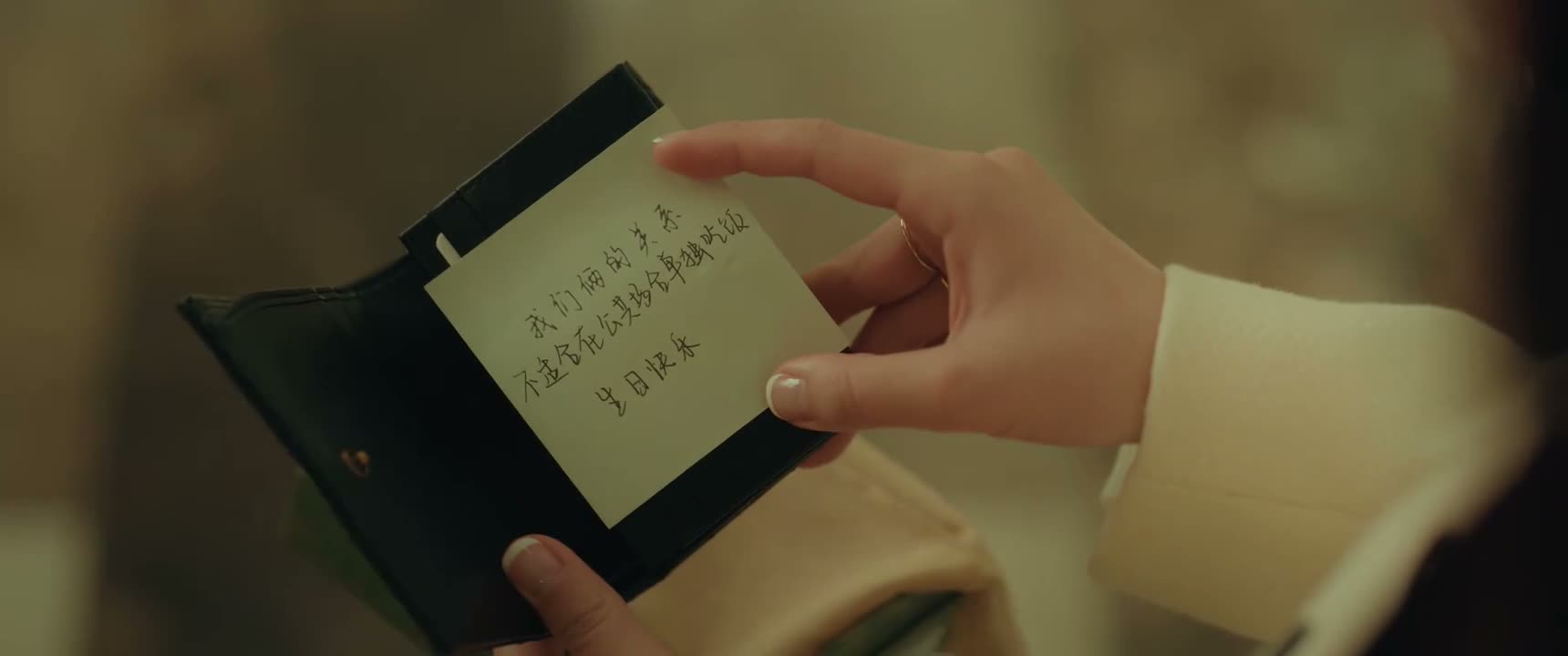
“(It's not proper for us to eat alone together in public.)”